


MSN

Texas Air Force base flu outbreak soars to over 220 cases, and one soldier has died after Secretary Hegseth scrapped mandatory military flu shots
In a new social media post, a U.S. Congressman is demanding answers about what led to a major flu outbreak ...

5 myths about summer dehydration that could damage your health — or even kill you
There are various ways to stay hydrated that you may not have considered, but — as is common with online ...

37 food ‘facts’ that are wrong
[T]here’s a lot of culinary misinformation out there that could potentially spoil your supper. Want to separate the myths from the ...

Viewpoint: Glyphosate is agriculture’s scapegoat
Glyphosate has played a central role in modern agriculture’s ability to increase yields, reduce labour costs and conserve soil through ...

Britain’s landmark agricultural gene editing law kicks in next month. Here’s what to expect
Over the next few years, we could see the arrival of not just genetically altered tomatoes, but also bananas and ...

Unresolved mystery: Why has Bill Gates quietly become the largest private owner of farmland in the United States
Bill Gates, the tech titan turned global philanthropist, has quietly amassed a portfolio of over 100,000 hectares of farmland across the United States, ...

The science skinny on synthetic food dyes: There is no evidence they are unsafe but they do make some unhealthy food more enticing
The appeal of a brightly colored candy, the vibrant hue of your mouthwash, the pigment of your sports drinks — ...

Putting faces on the human tree of life: From Hobbit to 300,000 year old humans, here’s what we looked like
Now, scientists have revealed the most scientifically accurate reconstructions of what those ancient humans would have looked like. This includes ...

Viewpoint: From farm to famine? Kenya risks a Sri Lanka-style collapse over pesticide politics
In 2025, Kenya, its farmers, and its consumers will deliver a world demonstration of why scientists have been pleading for ...

The carnivore myth? One study challenges the long-held belief that our human ancestors were mostly meat eaters
[E]arly human ancestors, specifically Australopithecus africanus, primarily had a plant-based diet despite previous evidence suggesting meat consumption. The research, led ...

Perhaps carbohydrates, not meat, provided early humans the energy needed to evolve bigger brains
From crispy French fries to crusty sourdough loaves, carbs are an integral (and delicious) part of the human diet. But why ...

‘We’ve not found evidence that Neanderthals wore clothes
Braving the cold weather in Northern Europe required Neanderthals to have robust bodies and a facility for making fire. But did ...

Are you a night owl? Genes from our Neanderthal ancestors could be responsible for the way we sleep
In a recently published paper, scientists suggest that genes from our oldest relatives could be responsible for the way we ...

50 colorful examples of how genetics programs human diversity
Human DNA is programmed to be unique. Your body contains about 20,000–25,000 genes responsible for giving you brown hair instead ...

CRISPR 2.0: How AI can hlep design molecules that don’t exist in nature to help treat rare diseases
AI is used to compose music, suggests recipes and make investment decisions, but a company has designed a system that ...
Let them eat… mold? CRISPR gene-edited mushroom derivative used to ferment soy sauce can enhance nutrition and flavor of meat-free proteins
Scientists have discovered how to make meat alternatives with fungi... The fungus tested is called koji mold and has a long ...
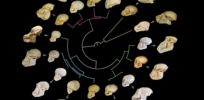
Why is the human evolutionary tree so bushy and weird?
Human evolution might be more "bizarre" than we once thought, according to a new study. In the past, scientists believed ...

Are paper cups better for the environment than plastic cups? The answer may surprise you
Paper cups are no alternatives to plastic cups to avoid toxic chemicals, as the latte coffee you take with you ...

‘We’re reaching a significant inflection point in gene and cell therapy’: What’s the future for these exorbitantly expensive new drugs?
Get ready for a world of million-dollar drugs. Pricey gene therapies that could cure devastating genetic disorders in one fell ...