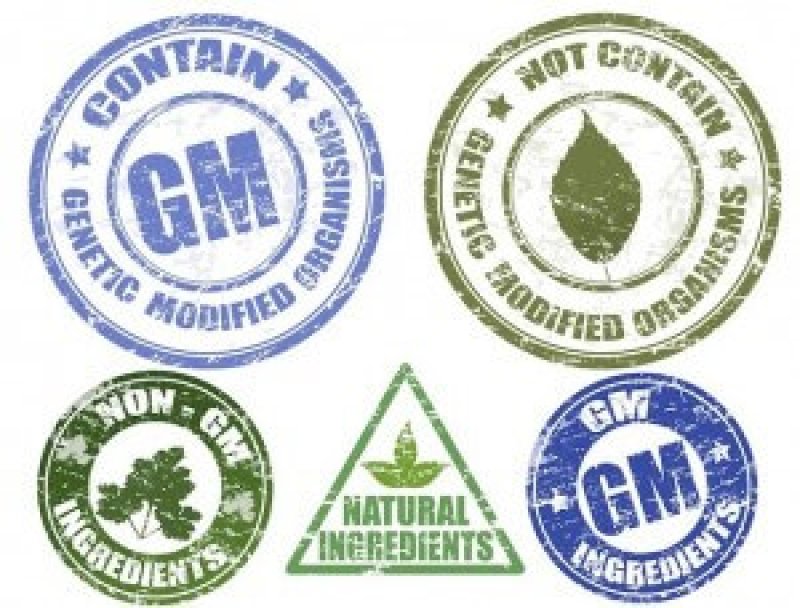
64 countries that have GMO labeling laws

GMO label shutterstock

Sixty-four nations enforce consumer “right-to-know” laws on GMO food, while the United States has little regulatory framework surrounding genetically modified food products:

Australia, Austria, Belarus, Belgium, Bosnia and Herzegovina, Brazil, Bulgaria, Cameroon, China, Croatia, Cyprus, Czech Republic, Denmark, Ecuador, El Salvador, Estonia, Ethiopia, Finland, France (now de facto ban on all GMO food), Germany, Greece, Hungary, Iceland, India, Indonesia, Ireland, Italy, Japan, Jordan, Kazakhstan, Kenya, Latvia, Lithuania, Luxembourg, Malaysia, Mali, Malta, Mauritius, Netherlands, New Zealand, Norway, Peru, Poland, Portugal, Romania, Russia (has postponed GMO planting and may consider ban), Saudi Arabia, Senegal, Slovakia, South Africa, South Korea, Spain, Sri Lanka, Sweden, Switzerland, Taiwan, Thailand, Tunisia, Turkey, Ukraine, United Kingdom, and Vietnam.

That’s a lot of countries. Yep. What’s more, even while the U.S. does not require GMO food labeling, it is the largest commercial grower of genetically modified crops in the entire world.

Today’s GMO foods are generally considered safe for human consumption, but polls consistently indicate that a huge majority of Americans support mandatory labeling requirements for food products that contain genetically modified ingredients.
Ramez Naam, author of The Infinite Resource: The Power of Ideas On a Finite Planet, says, “By fighting labeling, we’re feeding energy to the opponents of GMOs. We’re inducing more fear and paranoia of the technology, rather than less. We’re persuading those who might otherwise have no opinion on GMOs that there must be something to hide, otherwise, why would we fight so hard to avoid labeling?”

Read the full, original article: 64 Countries That Have Done What the U.S. Won’t to Make Our Food Safer

Related Articles

Infographic: Global regulatory and health research agencies on whether glyphosate causes cancer

Infographic: Global regulatory and health research agencies on whether glyphosate causes cancer

Does glyphosate—the world's most heavily-used herbicide—pose serious harm to humans? Is it carcinogenic? Those issues are of both legal and ...

Most Popular

ChatGPT-Image-Mar-10-2026-01_39_01-PM
Viewpoint—“Miracle molecule” debunked: Why acemannan supplements don’t work
Screenshot-2026-09-17-at-1.07.08-PM
'We are dangerously addicted to antidepressants': Should we heed RFK Jr.’s sobering warning?
Screenshot-2026-09-03-at-10.51.20-AM
Viewpoint: Why do online health lies outlive the evidence that debunks them? Read "Everyone Else Is Lying to You"
ChatGPT-Image-Sep-23-2026-01_52_03-PM
Viewpoint: 4 very real AI doomsday scenarios
ChatGPT-Image-Sep-2-2026-02_03_32-PM
How much of a problem is AI’s water use?
Screenshot-2026-09-22-at-11.40.28-AM
After Idaho criminalized abortion providers in 2022, one-third of obstetricians fled. Health care advocates are making rural health the case for repealing the ban
Screenshot-2026-09-23-at-3.15.09-PM
Anti-GMO activists in Pakistan rev up their campaign of dire warnings
ChatGPT-Image-Aug-26-2026-12_46_16-PM
Viewpoint: The fake controversy over whether combining childhood vaccines is dangerous— a debate science resolved 25 years ago
ChatGPT-Image-Sep-22-2026-10_32_46-AM
There has been a slew of recent reports of food recalls and foodborne outbreaks. Do we face an escalating problem?
Screenshot-2026-09-23-at-11.55.01-AM
How can we know if social media bans actually help teens?
Screenshot-2026-09-17-at-12.00.30-PM
Investigative group ProPublica finds links between ectopic pregnancy deaths and abortion bans
Screenshot-2026-09-10-at-12.20.19-PM
'Jet fuel didn't melt the steel': 9/11 conspiracy theories debunked
glp menu logo outlined

Get news on human & agricultural genetics and biotechnology delivered to your inbox.