Mom: ‘I’d never buy organics because I’m afraid there are dangerous pesticides on conventional produce’

YOU NEED TO SAY IN AN EDITOR’S NOTE WHO THIS ‘MOM’ IS

When my son was a baby, organic was a synonym for edible. If the apples I found at the grocery store weren’t certified, I wasn’t buying them. I knew that conventional produce could harbor traces of pesticides, and I’d read that pesticides could affect brain development. Sure, the details of this association were hazy. But in a way, it didn’t matter: Shelling out a bit more cash to minimize the risks, whatever they were, seemed worth it to me.

Fast-forward two years and my son is eating conventional strawberries for breakfast. I support the principles of organic farming, for sure, but it can be hard to consistently pay $7 for a pint of something he’ll go through in two days. Plus, I can’t help but wonder whether giving my son organic food really makes a difference to his health, considering that he’s been known to lick the bottom of his shoes, kiss my poop-sniffing dog, and eat crackers—someone else’s—off of the preschool floor.

Instead of continuing to wonder, I decided to dig into the literature and talk to toxicologists, horticulturists, risk experts, and nutritionists to find out whether the chemicals in conventionally farmed foods could truly pose a risk to my child. What I’ve discovered has totally surprised me—let’s just say I’m going to be a little more relaxed about what I serve kid No. 2.

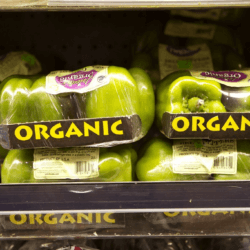
I want to start off by saying that this column is not about whether organic agriculture is worth supporting for its environmental benefits (I think it is) or whether we as a society should care about the chemicals found in our foods and household products (I think we should). This column is about whether it’s worth buying organic produce for your kids specifically because you think the pesticides on conventional produce could harm them.

Read full original article: Organic Shmorganic

{{ reviewsTotal }}{{ options.labels.singularReviewCountLabel }}
{{ reviewsTotal }}{{ options.labels.pluralReviewCountLabel }}
{{ options.labels.newReviewButton }}
{{ userData.canReview.message }}

Related Articles

Infographic: Global regulatory and health research agencies on whether glyphosate causes cancer

Infographic: Global regulatory and health research agencies on whether glyphosate causes cancer

Does glyphosate—the world's most heavily-used herbicide—pose serious harm to humans? Is it carcinogenic? Those issues are of both legal and ...

Most Popular

ChatGPT-Image-May-7-2026-12_32_36-PM
Viewpoint: The state of U.S. vaccine policy? Dismal nationally, but some states are stepping up.
Screenshot-2026-04-13-at-1.39.26-PM
Viewpoint: ‘Safer for children?’ Stonyfield yogurt under fire for deceptive organic marketing
Screenshot-2026-04-22-at-10.46.29-AM
Viewpoint: How to counter science disinformation? Science journalist offers 12 practical tips
ChatGPT-Image-May-7-2026-12_16_37-PM-2
Viewpoint: Are cancer rates ‘skyrocketing’ as RFK, Jr. and MAHA claim? The evidence says mostly the opposite
the magic of mRNA
Viewpoint: Anti-vax fake ‘turbo cancer’ claims threaten cancer treatment breakthroughs
ChatGPT-Image-May-7-2026-01_23_27-PM-2
Viewpoint: Will AI democratize personalized cancer treatment or fuel medical misinformation?
artificial intelligence brain think illustration md
Viewpoint — Digital gods and human extinction: Will we be the first species ever to design our own descendants?
Defense_Secretary_Ash_Carter_tours_the_Microsoft_Cybercrime_Center_in_Seattle_March_3_2016
How criminals are using AI to target social media users and steal their money and confidential data
Picture1-1
Cooling the planet with balloons: Could a geoengineering gamble slow global warming?
Screenshot-2026-04-23-at-11.00.36-AM
Regulators' dilemma: Thalidomide, Metformin, and the cost of getting drug approvals wrong
ChatGPT Image May 12, 2026, 01_21_30 PM
How big health brands are funding online medical misinformation 
glp menu logo outlined

Get news on human & agricultural genetics and biotechnology delivered to your inbox.