Will personalized medicine challenge or reify categories of race and ethnicity?

In the last 5 years, medical geneticists have been conducting studies to examine possible links between DNA and disease on an unprecedented scale, using newly developed DNA genotyping and sequencing technologies to quickly search the genome. These techniques have also allowed researchers interested in human genetic variation to begin to catalogue the range of genetic similarities and differences that exist across individuals from around the world, through initiatives such as the International Haplotype Mapping Project [1]. These studies of human genetic variation promise to produce new kinds of information about our DNA, but they have also raised ethical questions.

Early results from genome-wide studies of possible links between DNA and various medical conditions are being used by various actors to develop what they call “personalized medicine,” the effort to tailor and individualize diagnoses and treatments for use during routine medical care. The promises of personalized medicine are built on the idea that each individual’s genome is unique. They are also built on the idea that genetic variation among individuals will help explain differential susceptibilities to disease and why some patients respond better to some treatments than others. To this end, researchers have focused on characterizing genetic differences between individuals and groups.
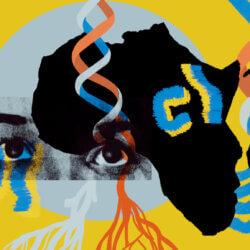

View the original article here: Will personalized medicine challenge or reify categories of race and ethnicity?


{{ reviewsTotal }}{{ options.labels.singularReviewCountLabel }}
{{ reviewsTotal }}{{ options.labels.pluralReviewCountLabel }}
{{ options.labels.noReviewsLabel }}
{{ options.labels.newReviewButton }}
{{ userData.canReview.message }}

Related Articles

Infographic: Global regulatory and health research agencies on whether glyphosate causes cancer

Infographic: Global regulatory and health research agencies on whether glyphosate causes cancer

Does glyphosate—the world's most heavily-used herbicide—pose serious harm to humans? Is it carcinogenic? Those issues are of both legal and ...

Most Popular

Screenshot-2026-07-09-at-1.09.25-PM
Anti-vaccine myths rattle health care
ChatGPT-Image-Mar-10-2026-01_39_01-PM
Viewpoint—“Miracle molecule” debunked: Why acemannan supplements don’t work
Picture1
Hiroshima at 81: America’s new nuclear bomb, a buried Iranian target, and a question no one wants to ask
ChatGPT-Image-Jul-10-2026-12_21_03-PM
Viewpoint: Is there new evidence that the animal deworming drug ivermectin decreases the risk of Covid and cancer? Don’t waste your money.
leeteam
How Kennedy and his family could pocket millions from Merck’s $50 million vaccine injury settlement that he oversaw
ChatGPT-Image-Jun-25-2026-12_23_17-PM
No, Bill Gates did not secretly engineer ticks to promote veganism
Screenshot-2026-07-30-at-3.07.42-PM
Controversy over WNBA star Sophie Cunningham’s comment opposing trans females in women’s sports reinvigorates the culture wars
Screenshot-2026-07-30-at-2.30.35-PM
Climate scientists claim conservative activists are promoting ‘lies’ that Europe’s summer heatwaves are far from unusual

Sorry. No data so far.

glp menu logo outlined

Get news on human & agricultural genetics and biotechnology delivered to your inbox.