Popular Science debunks 10 GMO myths

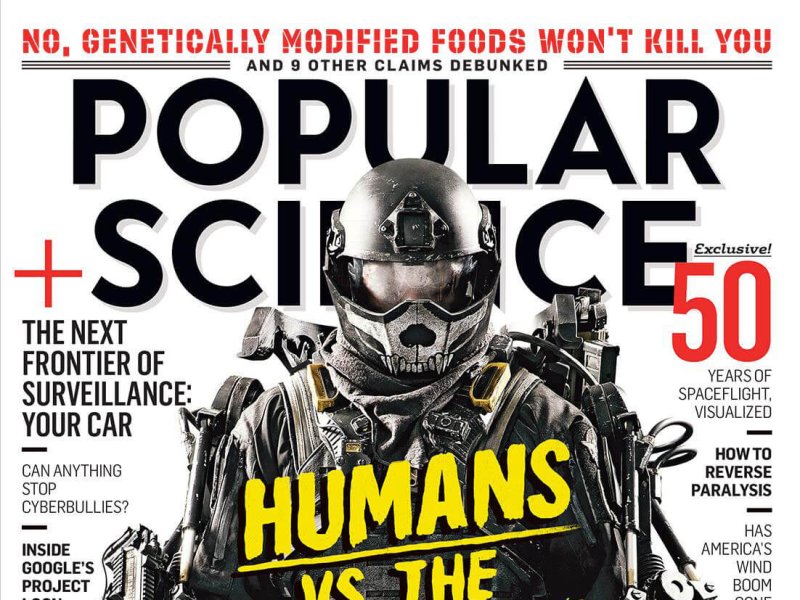
popsci cover
Image via Popular Science

The GLP aggregated and excerpted this blog/article to reflect the diversity of news, opinion and analysis. 

Contributing editor Brooke Borel debunks 10 common GMO claims for PopSci readers.

Claim: Genetic engineering is a radical technology.

Humans have been manipulating the genes of crops for millennia by selectively breeding plants with desirable traits. (A perfect example: the thousands of apple varieties.) Virtually all of our food crops have been genetically modified in some way. In that sense, GMOs are not radical at all. But the technique does differ dramatically from traditional plant breeding.

Claim: GMOs cause allergies, cancer, and other health problems.

Many people worry that genetic engineering introduces hazardous proteins, particularly allergens and toxins, into the food chain. It’s a reasonable concern: Theoretically, it’s possible for a new gene to express a protein that provokes an immune response. That’s why biotech companies consult with the Food and Drug Administration about potential GMO foods and perform extensive allergy and toxicity testing. Those tests are voluntary but commonplace; if they’re not done, the FDA can block the products.

Read the full, original article: Core Truths: 10 common GMO claims debunked

{{ reviewsTotal }}{{ options.labels.singularReviewCountLabel }}
{{ reviewsTotal }}{{ options.labels.pluralReviewCountLabel }}
{{ options.labels.newReviewButton }}
{{ userData.canReview.message }}

Related Articles

Infographic: Global regulatory and health research agencies on whether glyphosate causes cancer

Infographic: Global regulatory and health research agencies on whether glyphosate causes cancer

Does glyphosate—the world's most heavily-used herbicide—pose serious harm to humans? Is it carcinogenic? Those issues are of both legal and ...

Most Popular

Screenshot-2026-05-01-at-1.29.41-PM
Viewpoint: What happens when whole grains meet modern food manufacturing? Labels don’t tell the whole story.
S
As vaccine rejectionism spreads, measles may be taking a more dangerous turn
ChatGPT-Image-Mar-27-2026-11_47_30-AM-2
FDA’s expedited drug reviews are hailed in some quarters but other approval practices are problematic
Screenshot 2026-05-06 at 2.56
Singularity crisis ahead? Can super babies save us from rogue AI geniuses?
Screenshot-2026-04-20-at-2.26.27-PM
Viewpoint — Food-fear world: The latest activist scientists campaign: Cancer-causing additives
Farmers can talk to plants
Farmers are a major source of misinformation—about farming
Screenshot-2026-04-30-at-2.19.37-PM
5 myths about summer dehydration that could damage your health — or even kill you
Screenshot-2026-05-06-at-2.07.43-PM
Manufacturing a conspiracy: The timeline of how  the White House embraced the fringe claim that scientists are being mysteriously murdered
Screenshot-2026-03-13-at-12.14.04-PM
The FDA wants to make many popular prescription drugs OTC—a great idea. Here’s why it’s unlikely to happen
Screenshot 2026-05-06 at 2.19
Vaccine shootout at the CDC 
Screenshot-2026-04-03-at-11.15.51-AM
Paraben panic: How a flawed study, media hype, and chemophobia convinced the public of the danger of one of the safest classes of preservatives
glp menu logo outlined

Get news on human & agricultural genetics and biotechnology delivered to your inbox.