Opponents of mandatory labeling for foods made with genetically modified organisms spent more than $27 million in the first six months of this year on GMO-related lobbying, roughly three times their spending in all of 2013, according to an analysis released Wednesday.
The Grocery Manufacturers Association (GMA) and major food makers such as Coca-Cola Co and PepsiCo Inc and top biotech seed makers Monsanto Co and DuPont were among heavy spenders on GMO labeling-related lobbying, according to a report issued by the Environmental Working Group. The group analyzed lobbying disclosure forms that cited labeling of foods containing genetically modified organisms (GMOs) along with other policy issues.
Coca-Cola spent $4.8 million through the second quarter of this year; PepsiCo spent $2.34 million; DuPont spent $2.4 million, while Monsanto spent $1.08 million, according to the report. All told, the opponents of GMO labeling disclosed $15.2 million in lobbying expenditures for the second quarter of 2014, bringing the six-month total for 2014 to $27.5 million. That compared with $9.3 million disclosed on lobbying the issue by food and biotechnology companies in 2013, according to EWG, a Washington-based nonprofit that supports GMO labeling.
Read the full, original article: U.S. GMO labeling foes triple spending in first half of this year over 2013
Vitamin A deficiency, according to the World Health Organisation, is the leading cause of preventable blindness in children and is a contributor to other potentially fatal illnesses such as measles.
It has until now been tackled through vitamin supplements and fortifying food in developing nations, but for the past three decades scientists around the world have been racing to produce staple foods such as bananas, potatoes and rice that have heightened levels of alpha and beta-carotene through genetic manipulation.
The research has taken its cues from ‘golden rice’, a food long considered the poster child of genetic engineering, or the enemy within—depending on which side of the GM fence you sit. Started in the 1980s with the backing of the Rockefeller Institute, the golden rice project has had a long road to hoe.
Organisations such as Greenpeace are vehemently opposed to golden rice, arguing that the benefits of the food haven’t been proved and that its adoption could open the way for other GM foods with social and environmental side effects.
However, one of the founders of Greenpeace, Dr Patrick Moore, who left the organisation in 1986, is now spearheading an international media campaign championing golden rice. He claims Greenpeace and others are ‘committing crimes against humanity’ by opposing technology that he believes could save millions of lives.
‘If Golden Rice shows that GMOs can be good for humanity, then maybe it will end this ridiculous sensationalism and fear mongering about genetic modification which is based on nothing,’ he says.
It looks like soon I’ll have to update my standard response when someone comments on our website about genetically modified fruits and vegetables.
“There are likely no GMO products in your produce department, although some squash, corn and Hawaiian papayas have been altered without the traditional crossbreeding or selective breeding methods,” is what I usually say. Now I’ll have to add apples and potatoes.
Judging from comments at the U.S. Apple Association Crop Outlook and Marketing Conference I attended and the Idaho Grower-Shippers Association Conference that a colleague went to, GMO versions of apples and potatoes will be approved by the Food and Drug Administration. It’s not a matter of if, but when. The Arctic apple, which has a non-browning trait, and Innate potato, which cuts down on bruising and acrylamides, are aimed at the processing market.
Every time we write about a new club variety of apple, the eventual question is about its GMO origins. You get the sense anything new is suspect, and although conventional wisdom is that consumers want more options, there is an increasing amount that distrust any genetic tinkering, even by traditional methods.
Read the full, original article: Guess who’s not hating on GMOs — you’ll be surprised
When it comes to reporting the position of some of the world’s biggest food companies on genetically engineered foods, Friends of the Earth, it seems, has been engaging in some pretty creative PR ‘engineering’ of its own.
Now asking a company a question, getting the answer and using this as the hook for a press release that supports your ‘narrative’ is standard practice in PR, but FOE’s creative interpretation of some pretty innocuous company statements in order to keep the momentum going in its anti-GMO campaign takes this to a whole new level. Not content to quote the scores of companies that actually are, very publicly, opposed to genetically engineered foods, FOE is now on a mission to persuade us that even companies that are not opposed, or have not expressed a view, are in fact changing their minds (they just don’t know it yet).
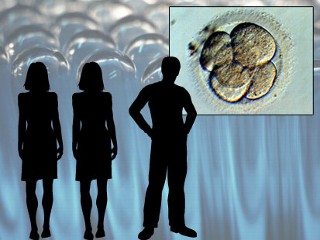
The hottest controversy today in human genetics research is oocyte modification. Earlier this year, the Food and Drug Administration concluded an initial set of hearings on the proposed procedure.
The technology is technically known as assisted reproduction for the prevention of transmission of mitochondrial disease or treatment of infertility. Scientists achieve this by replacing mitochondrial DNA (from one genetic mother) with mtDNA from another mother to avert the potential to have offspring with certain genetic mutations.
The mutations targeted, because of the oocyte modification technology, would be only mitochondrial DNA-related (mtDNA). These mutations, however, are particularly pernicious because mitochondrial DNA are thought to have a high mis-code rate and copy very quickly in relative terms.
The jury is still out on some of this, because estimates for the mutation rate in mtDNA can often vary by two orders of magnitude and are based on historical analysis where error variance is high. This work on oocyte modification has already demonstrated efficacy in vitro, so the next major step would be human clinical trials.That’s why the FDA panel was held. The hearings brought out some die-hard opponents of human genetic engineering.
Marcy Darnovsky, executive director of the Berkeley, California-based Center for Genetics and Society, has stated that pursuing such technology needs to be done cautiously, and that “Life is full of slippery slopes and we need brakes.”
The FDA panel discussion did not intend to address the ethics of the technology, which is really likely to be where the public might voice concerns. Instead, the FDA panel focused on the objective scientific realities of this technology, including future stability of the mtDNA, whether the procedure would be a long term solution for certain congenital diseases, and the safety of carryover of mitochondrial DNA to successive generations of offspring.
Similar considerations are also taking place in the United Kingdom, spearheaded by the Nuffield Council on Bioethics in London, an independent foundation. Although Nuffield has not been as direct and open as the FDA about the scientific rigor of the procedure, it has more directly addressed ethical considerations. The council members have suggested that if the technology has adequate safety to progress successfully through, for example, Britain’s MHRA (Medicines and Healthcare products Regulatory Agency), EMA (European Medicines Agency), and/or FDA screening, that it would automatically be ethical for families to use to block heritable mitochondrial DNA-associated disease.
The Nuffield Council’s current stance: “Due to the health and social benefits to individuals and families of living free from mitochondrial disorders, and where potential parents express a preference to have genetically-related children, on balance we believe that if these novel techniques are adequately proven to be acceptably safe and effective as treatments, it would be ethical for families to use them.”
There is a very real potential that the build-up of mtDNA mutations over a woman’s lifespan might be linked to a decline in female fertility. Because of this hypothetical mechanism, this oocyte modification technology could increase age-advanced fertility rates. This has, so far, only been explored in the case of female oocyte agenesis (lack of egg production) and not in cases of lower infertility in previously fertile women or other age-related declines in fertility.
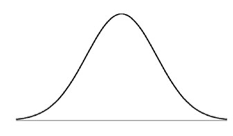
Fig 1: ‘normal’ distribution
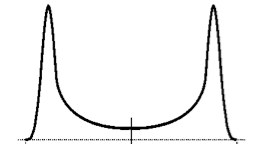
As one might expect, there is likely a broad range of opinions about such a contentious issue, ranging from ‘why not do everything possible’ at one tail of the distribution curve to ‘we shouldn’t be tampering with this’ at the other end.It could be presumed that most of the public will fall in the middle of the distribution curve, as is typically the case (Fig 1). But it’s entirely possible that this technology could represent an unparalleled polarization of the public in terms of very few moderate responses, and a preponderance of extreme reactions (Fig 2).
Fig 2: bi-modal distribution
We refer to such an extreme case as a “bi-modal” distribution, and when applied to ethico-politics, these are issues that are very difficult to find a middle ground. As the genetics revolution advances, we may find more-and-more of these bi-modal ethical controversies– a vast gulf of disagreement in perceptions. On one side there will be those who want to explore what is possible and use the Scientific Method as their arbiter of what is and what isn’t; and on the other side will be those who choose to be guided by intuition and anecdote.
Ben Locwin, PhD, MBA is a contributor to the Genetic Literacy Project and is an author of a wide variety of scientific articles for books and magazines. He is also a researcher and consultant for a variety of industries including behavioral and psychological, food and nutrition, and pharmaceutical. Follow him on Twitter @BenLocwin.
African ministers and business leaders have gathered in Ethiopia to consider ways to trigger a green revolution and improve the continent’s food security.
The African Green Revolution Forum, being held in Addis Ababa, will focus on delivering agriculture-led economic growth in sub-Saharan Africa. In June, the Africa Union issued a declaration to double food productivity and halve poverty by 2025.
“Africa’s smallholder farmers produce the vast majority of food grown on the continent and they are the backbone of a sector that employs more than 65 percent of all Africans,” observed Alliance for a Green Revolution in Africa (AGRA) chairman Strive Masiyiwa. “So when businesses, governments, researchers and farmers work together to strengthen our food production and distribution systems, they are seeking commercial success that will be shared across African society — and particularly for the poorest among us.”
It was a view echoed in a recent report by the UK-based international affairs think-tank Chatham House, which concluded that increasing agricultural productivity and adapting farming to climate change were central to Africa’s development prospects. The report’s authors said a key challenge was to attract funding for biotechnology projects on staple crops, such as cassava, which were often ignored by commercial funders because they had a limited market, the authors suggested.
If you need a new knee, look no further than the end of your nose. It turns out that nasal cartilage is a good substitute for the knee’s natural shock-absorbing tissue – so much so that nine people have undergone the first nose-to-knee cartilage transplant.
Unlike many tissues in the body, cartilage, which covers and cushions the surface of joints, has little capacity to regenerate once damaged. Sports injuries or falls can lead to loss of cartilage, but it also degenerates in diseases like osteoarthritis. Treatment options are limited and people often need to have the entire joint replaced with an artificial one.
Now, Ivan Martin, a tissue engineer at University Hospital Basel in Switzerland, has come up with an alternative source of the fibrous tissue – with a little help from the nose.
Cartilage cells from the nasal septum (the part of your nose which separates the nostrils) are known to have a great capacity to grow and form new cartilage. What was not clear was whether novel tissue derived from the nose would be compatible with a joint in another part of the body.
The cartilage not only settled comfortably into its new home, but also restored the knee joints to good health. It even started to look like knee tissue genetically. After bedding down, the cartilage cells began expressing the genes that you would expect to see in native knee cartilage.
Hold the butter! The genetic secrets of centenarians are starting to be unravelled – and they hint that low cholesterol plays a role in their unusual longevity.
“This is one of the first studies to detect rare genotypes in these exceptional individuals,” says João Pedro de Magalhães of the University of Liverpool, UK, who was not involved in the research.
It is thought that genetics accounts for up to 30 per cent of the variability in human lifespan. But so far just two genes have been linked to longevity, and neither has a large influence – creating a genetic puzzle sometimes called “missing heritability”.
To look for unknown rare mutations, Timothy Cash of the Spanish National Cancer Research Centre in Madrid and his colleagues sequenced the entire exome – the protein-coding part of DNA – of three Spanish centenarians and four of their long-lived siblings. These were compared with the exomes of 800 people, many of whom could be assumed to have average lifespans, as only one in 5,000 people live to 100.
One gene – apolipoprotein B – had rare mutations in all three long-lived families that were less common in the 800 controls. The protein made by this gene helps carry “bad cholesterol” in the blood, high levels of which lead to heart attacks. It is possible that the mutations reduce levels of this bad cholesterol.
At the GLP, we write a lot about controversial science and health issues of which people hold very, very strong opinions: GMOs, prenatal genetic testing, ‘franken-farmed’ salmon and babies with mitochondria donors. Often, it seems like people aren’t even involved in the same discussion as one ‘opponent’ glosses over the next’s point, then makes their own which is subsequently ignored. If the point of conversation is to gain knowledge or convince others, these are discussions are decidedly unfruitful.
Why do people hold so firmly to ideas, so much so that they become beliefs, about issues in which they don’t have a true ‘dog’ in the fight? The answer is because we are the dog. Our brains evolved in a tribal society where an us-against-them mentality was not only advantageous it was tantamount to survival. We still have that capacity in our brains, but now, in rich, Western culture, we’ve taken that tribal stance and applied it to issues like vaccinations, gluten consumption and eating organic says Harriet Hall at Science-based Medicine:
Religions and ideologies play into the hero plot since they match up well with the individual’s moral hunches and provide external justification. They validate emotional instincts, provide purpose and a common enemy. They can be useful but can also be dangerous; people have died for false beliefs…Some people accept a belief only if it can be shown to correspond to reality; others accept beliefs just because they are part of a coherent system.
Compounded with an affinity for like-minded people, we build our own ideological tribes, effectively echo chambers for our own thoughts, thoughts that perpetuate themselves every time we hear them reverberated back to us. We are neuro-chemically confirmation bias addicts.
Furthermore, cognitive science is showing that the simpler an argument is, the better we are at believing it, like ideological branding. Stephen Colbert, host of Comedy Central’s Colbert Report, called this phenomena “truthiness: truth that comes from the gut, not books.” As Katy Waldman at Slate reports, Colbert was on to something:
Cognitive psychologist Eryn Newman, who works out of the University of California–Irvine, recently uncovered an unsettling precondition for truthiness: The less effort it takes to process a factual claim, the more accurate it seems. When we fluidly and frictionlessly absorb a piece of information, one that perhaps snaps neatly onto our existing belief structures, we are filled with a sense of comfort, familiarity, and trust. The information strikes us as credible, and we are more likely to affirm it—whether or not we should.
And once our brains have bought all-in to one story, it becomes increasingly more difficult to change, especially when presented with contradicting fact. Take the example of parents who choose not to vaccinate their children and the pediatricians who try to change their minds. When presented with information that autism diagnosis and vaccinations were not linked, the strategy backfired:
Surveying 1,759 parents, researchers found that while they were able to teach parents that the vaccine and autism were not linked, parents who were surveyed who had initial reservations about vaccines said they were actually less likely to vaccinate their children after hearing the researchers messages.
In other worlds, the facts these researchers used to try to reeducated the parents only served to turn up the volume in their echo chambers. Are our minds really that unchangeable? It’s unclear. Obviously, some individuals do change their minds over the course of their lives. Sometimes this happens when personal circumstances change—increasing political conservatism as people age is a good example of that. Other times this just happens. Perhaps these individuals would be worth studying to see what arguments or methods work best.
Meredith Knight is a blogger for Genetic Literacy Project and a freelance science and health writer in Austin, Texas. Follow her @meremereknight.
One of the longest-running, most fervent debates in the history of human evolution research concerns the cognitive abilities of the Neanderthals. Were they the slow-witted creatures of popular imagination or did an intellect like that of modern humans lurk behind that heavy brow?
I think it’s safe to say that these days most paleoanthropologists have abandoned the idea that the Neanderthals were complete dolts, and the debate has shifted to the question of whether they were just fairly smart or whether they shared our special brand of genius. A new discovery lends support to the latter notion.
Researchers working in Gibraltar have found what they say is the first known example of an abstract pattern engraved by a Neanderthal. The cross-hatched design was carved into the bedrock of a seaside shelter known as Gorham’s Cave. Analysis of the engraving, which covers an area of around 300 square centimeters, indicates that the artist made each of the 13 lines in the image by running a pointed stone tool over the weathered surface of the rock repeatedly in the same direction.
An estimated total of 188 to 317 strokes were required to complete the design—too many for it to be unintentional scratching. Neither did the marks resemble those produced experimentally when the researchers cut fresh pig skin with a stone blade on the same kind of rock surface.
Archaeologists consider art and other types of symbolic expression to be key elements of modern behavior, and good indicators that whoever made the symbols had language. Over the years, hints of Neanderthal symbolism in the form of jewelry and other decorative items have emerged at a number of sites across Europe. But some skeptics have credited them to early modern humans, arguing either that their belongings got mixed in with the Neanderthal remains or that Neanderthals copied or acquired symbolic stuff from moderns.
The cost of getting supplies needed to West African countries to get the Ebola crisis under control will be at least $600 million, Dr David Nabarro, the senior United Nations coordinator for Ebola Disease, told reporters on Wednesday.
More than 40 percent of the Ebola cases in West Africa, where the outbreak began in March, have occurred in the past 21 days, officials from the World Health Organization said, another indication that the epidemic is fast outpacing efforts to control it.
The overall fatality rate is 51 percent, ranging from a low of 41 percent in Sierra Leone to a high of 66 percent in Guinea, WHO reported.
The fatality rate reflects serious problems with case management, infection prevention and control, and inadequate medical and public health measures. In Sierra Leone, the medical capacity in Freetown is so inadequate that Ebola patients are being transferred to facilities in Kenema, which are overwhelmed.
Read the full, original story: Getting help to Ebola-stricken countries to cost $600 million: UN
When you hear the word “mutation,” you may think of something destructive, or of Marvel’s X-Men. But some mutations—which are just differences in DNA—can be historic.
Take, for example, a genetic sequence found in the vast majority of people from Tibet.
Millions of Tibetans spend their days at average elevations of nearly 15,000 feet—that’s more than half the height of Mount Everest. Up there, the air is thin—with 40 percent less oxygen than at sea level. That lack of oxygen would leave most Westerners struggling for breath, but Tibetans seem to breathe easy.
To find out how these highlanders cope, researchers compared the DNA of 90 Tibetans to that of people who are not altitude adapted. And they discovered a single change that prevents Tibetans’ blood from becoming dangerously clogged with red blood cells—a response that can be deadly for non-native mountaineers. The finding is described in the journal Nature Genetics.
Propane, the gas that fuels your barbecue (and perhaps one day your car), may soon have a new, renewable source.
Researchers in Finland and England developed a genetic process that puts E. coli bacteria to work producing the flammable compound. They altered the bacterium’s metabolism so that it it churns out propane gas.
Propane is itself considered an environmentally friendly fuel under the Clean Air Act, because it breaks down into carbon dioxide and water when it burns. However, until now the gas has been produced only as a byproduct of the refining and processing of other compounds such as natural gas and petroleum, both of which are fossil fuels with serious environmental downsides.
This is not the first push for renewable methods of producing hydrocarbon energy. In May, researchers with the U.S. Navy flew a model airplane with kerosene derived from sunlight and seawater.
Researchers have discovered six specific genetic variations that may be linked to glaucoma. Findings published in the journal Nature Genetics discuss how three separate studies reveal telltale variants of genes that also play a role in regulating cholesterol in cells and the age-related arterial disease, atherosclerosis.
“It’s rock solid that this is an important result because it has been found in three different ways,” said lead study author Jamie Craig, who is also from Flinders University’s Centre for Ophthalmology and Eye Vision Research, in a news release.
“All the papers were done in different populations with different strategies and all identified the same gene,” he added. “It has been shown to be involved in eye pressure in normal people and tells us for sure it is contributing to glaucoma at least partly through intraocular pressure pathways.”
As glaucoma remains a leading cause of irreversible blindness according to the World Health Organization (WHO), health officials continue to work on new research that uncovers new potential treatments for the future.
As monarch butterfly populations dwindle to unprecedented low levels, activists say the colorful and far-ranging insects need protection of the Endangered Species Act to survive.
In a formal listing petition to the U.S. Fish and Wildlife Service, a coalition of advocacy groups say the widespread use of pesticides and genetically modified crops are the biggest threats to the butterflies.
In the petition, the Center for Biological Diversity, the Center for Food Safety, the Xerces Society and renowned monarch scientist Dr. Lincoln Brower say monarch butterflies have declined by more than 90 percent in less than 20 years. By some estimates, they may have lost more than 165 million acres of habitat — an area about the size of Texas — including nearly a third of their summer breeding grounds.
“The widespread decline of monarchs is driven by the massive spraying of herbicides on genetically engineered crops, which has virtually eliminated monarch habitat in cropland that dominates the Midwest landscape,” said Bill Freese, a Center for Food Safety science policy analyst. “Doing what is needed to protect monarchs will also benefit pollinators and other valuable insects, and thus safeguard our food supply.”
What’s the fix for a warming planet? Just one word: Plastics.
As the world grapples with greenhouse gas emissions still rising despite years of political wrangling over how to combat global climate change, a technology to convert carbon dioxide and methane into plastic is emerging as one potential market-driven solution. To boot, the process can be less expensive than producing plastics from petroleum. The market for plastics is massive — and thus the ability to sequester carbon. Plastics are found everywhere from beverage and food containers to toys, furniture and car parts.
The engines behind the greenhouse gas to plastic conversion technology are microorganisms that feed on methane or carbon dioxide pumped into vessels of liquid. The microbes — some enhanced through genetic engineering, others improved via selective breeding – accumulate a biopolymer inside their cell walls as they feast.
“There are pluses and minuses here,” Daniel Kammen, director of the Renewable and Appropriate Energy Laboratory at the University of California at Berkeley, said of the greenhouse gas to plastic technology in an email to NBC News. “At the one level, capturing what would otherwise be (methane) emissions into products is a big step forward.”
Oregonians “place a priority on personal freedom and individual choice in how we live our lives,” gushes the website supporting the campaign to disparage genetically engineered foods through mandatory labeling. And because we Oregonians are such rugged individualists, the reasoning goes, we must jettison a system that provides clear and simple options for consumers who don’t like genetic engineering and replace it with one that will mislead the less-informed and place a disproportionate financial burden on the poor. No, thanks.
How can the appearance of labels containing factual information misinform consumers, you ask? The answer begins with the Food and Drug Administration, the federal government’s food-safety cop, which has declined to mandate GE labels for the simple reason that there’s no nutritionally valid reason to do so.
Measure 92 would require what federal regulators, relying upon science, have denied: a label whose mere presence suggests that the food within differs in some nutritionally significant way from other foods.
Oregonians may or may not like genetically engineered food products and the big companies that provide them, but such antipathy is a lousy reason to approve a measure that will mislead many consumers and place a disproportionate financial burden on those least able to carry it.
Biosafety certificates permitting Chinese researchers to grow genetically modified rice and corn expired last week, with little indication that the Ministry of Agriculture will renew them.
In China today, scientific and environmental decision-making is fragmented and far less technocratic than is often assumed, and public and elite anxiety does seem to run high when it comes to genetic modification. But it would be careless to simply write off the situation as reflecting public, or even elite, ignorance and paranoia about food and agriculture.
Certainly, some of the discourse around GM in China is paranoid and misguided, and much like its championing of clean energy, Chinese government support for innovation could perhaps be game changing for agricultural biotechnology. But focusing exclusively on one vision of high-tech innovation — or writing off its critics as purveyors of “anti-science” (when perhaps there are legitimate reasons for concern) — could not only obscure avenues for engagement on scientific and environmental decision-making, but also overlook other, emergent innovations addressing China’s agricultural, food and environmental challenges. It’s pertinent instead to ask how more open approaches to scientific governance could transform a debate, which – as demand for food and animal feed continues to rise – has surely only just begun.
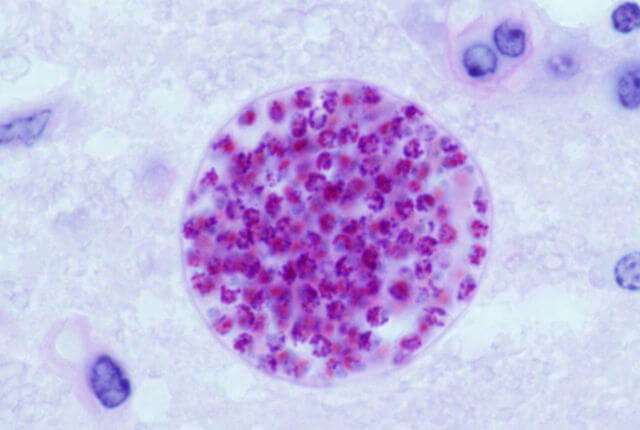
Toxoplasma gondii, a.k.a. the reason pregnant women are often advised not to change the cat box, is a parasitic infection carried by cats and spread, most often, by mice and rats who pick up eggs in contaminated soil. Although something of an innocent bystander, humans can also become infected with flu-like symptoms via our domesticated cats.
To further incentivize its transfer, a new study has shown that Toxo can make the rodents less afraid of cats through changing the gene expression by altering the chemical caps on genes that turn them on or off. These caps are, at least in part, responsible for making a hair cell different than a blood cell even though both contain identical genetic material, all the genes in the body. And they’re different in infected and non-infects rats Carl Zimmer reports:
First neurobiologist Ajai Vyas and his team looked at the gene for arginine vasopressin in the medial amygdala of rats. In infected rats, they found, many of the molecular caps were missing, suggesting that Toxoplasma had “unsilenced” the gene in order to increase production of the neurotransmitter. The arginine vasopressin then might alter their response to cats…
Vaya and his colleagues removed molecular caps from the arginine vasopressin gene, mimicking what Toxoplasma might be doing to its hosts. The rats became reckless, feeling no fear at the whiff of cats.
“The animals looked like they were infected, even though there was no parasite around,” said Dr. Vyas.
If Flegr is right, the “latent” parasite may be quietly tweaking the connections between our neurons, changing our response to frightening situations, our trust in others, how outgoing we are, and even our preference for certain scents. And that’s not all. He also believes that the organism contributes to car crashes, suicides, and mental disorders such as schizophrenia.
Fleger came to this conclusion, first, because of changes he noticed rapidly in his own fear-avoidance behavior. He crossed busy roads and snubbed his nose at the communist party, Kathleen McAuliffe reports in the Atlantic. He began testing students and military members for other cognitive and emotional changes. Surprisingly all the infected participants showed delayed reaction times, subtle personality trends and were increasingly likely to have been in car accidents.
Other parasites are known to change the behavior of their hosts. Rabies, for instance, makes dogs extremely aggressive and copious salivates, ensuring any bite would transfer the infection. And the insect world is riddled with examples, like this parasitic wasp taking over a caterpillar from National Geographic.
As measuring genetic expression changes during infection becomes cheaper and more widely available, it will be interesting to see all the ways in which infection can alter our behavioral through our genes. And, this might not be limited to parasites. Bacteria and viruses could act on our genetic control systems to make us more likely to spread them, just like Toxo and the rats.
Meredith Knight is a blogger for Genetic Literacy Project and a freelance science and health writer in Austin, Texas. Follow her @meremereknight.