General Mills shareholders reject proposal to dump GM foods

gmcheer

General Mills Inc. has made strong commitments this year to natural and organic foods. It took genetically modified ingredients out of its signature cereal brand Cheerios and then doubled down on its organic lineup by striking an $820-million deal for Annie’s, a stalwart of the organic and natural foods industry.

But when the industrial food behemoth’s shareholders were presented with a proposal to dump all genetically modified ingredients from the company’s vast lineup of brands, they responded with a resounding “No.”

The rejection of the proposal also shows shareholders aren’t convinced it’s unsafe to consume genetically modified organisms, better known as GMOs, which are created in labs by altering plant genes. This is often done to resist disease and pests. Though there is no definitive science showing such plants are harmful to human health, it has become one of the most contentious issues in modern food policy. Critics say the effect of widespread genetically modified crops may not be felt for years.

“We’ve studied all the research that’s been done around the world, we are very aware of the numerous regulators globally who have studied GMOs and who have said they are safe,” said General Mills Chief Executive Ken Powell, according to the Pioneer Press. “And of course we know and believe GMOs are very safe.”

Read full, original article: General Mills shareholders reject proposal to dump GMOs

Stem cells pinpoint how mutation common in East Asians increases heart disease risk

More than 500 million people worldwide carry a genetic mutation that disables a common metabolic protein called ALDH2. The mutation, which predominantly occurs in people of East Asian descent, leads to an increased risk of heart disease and poorer outcomes after a heart attack. It also causes facial flushing when carriers drink alcohol.

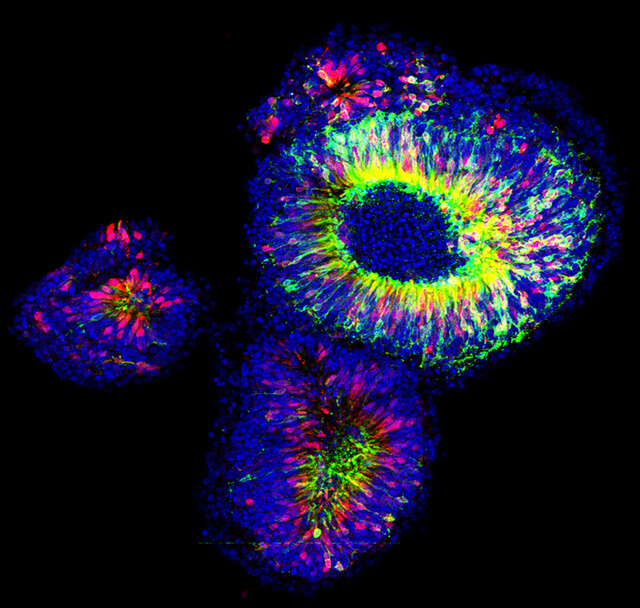
Now researchers at the Stanford University School of Medicine have learned for the first time specifically how the mutation affects heart health. They did so by comparing heart muscle cells made from induced pluripotent stem cells, or iPS cells, from people with the mutation versus those without the mutation. IPS cells are created in the laboratory from specialized adult cells like skin. They are “pluripotent,” meaning they can be coaxed to become any cell in the body.

“This study is one of the first to show that we can use iPS cells to study ethnic-specific differences among populations,” said Joseph Wu, MD, PhD, director of the Stanford Cardiovascular Institute and professor of cardiovascular medicine and of radiology.

“These findings may help us discover new therapeutic paths for heart disease for carriers of this mutation,” said Wu. “In the future, I believe we will have banks of iPS cells generated from many different ethnic groups. Drug companies or clinicians can then compare how members of different ethnic groups respond to drugs or diseases, or study how one group might differ from another, or tailor specific drugs to fit particular groups.”

Read the full, original story: Scientists use stem cells to learn how common mutation in East Asians affects heart health

Viewpoint: The dreaded ‘green blob’ is the most dire threat to bees

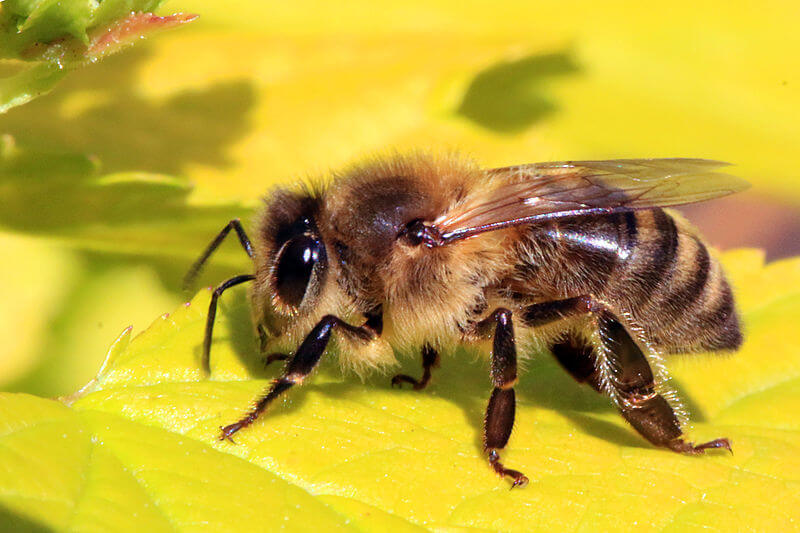
Honey bee Apis mellifera

This article originally ran at Forbes and has been republished here with permission of the author.

If neonicotinoid pesticides were banned–as activists are demanding–U.S. farmers’ productivity would drop and they would resort to more toxic chemicals, the nation’s agricultural economy would be damaged, food prices would increase, and bees would be much worse off.

Magazine editor and satirist H.L. Mencken was right that there is an easy solution to every human problem—and that it is invariably neat, plausible, and wrong.  In that category is the insistence of anti-pesticide crusaders and the organic food industry that federal regulators should ban neonicotinoids (“neonics” for short), the mostly widely used class of pesticides.

Activists commonly cite two justifications for such a ban: the presence of pesticide residues in foods and the supposedly detrimental effect of the chemicals on bees.

Neither of these rationales is valid.;

Apparently the activists don’t know much about the sources of pesticidal substances found in our diet.  The vast majority that we consume occur “naturally,” and they are present in organic foods as well as those that are produced with conventional methods.

In a landmark research article published in the Proceedings of the National Academy of Sciences, University of California, Berkeley, biochemist Bruce Ames and his colleagues found that “99.99 percent (by weight) of the pesticides in the American diet are chemicals that plants produce to defend themselves. Only 52 natural pesticides have been tested in high-dose animal cancer tests, and about half (27) are rodent carcinogens; these 27 are shown to be present in many common foods.”

The bottom line of Ames’ experiments: “Natural and synthetic chemicals are equally likely to be positive in animal cancer tests. We also conclude that at the low doses of most human exposures the comparative hazards of synthetic pesticide residues are insignificant.”

In other words, consumers who buy organic foods in order to avoid pesticide exposure are focusing their attention on 0.01% of the pesticides they consume–and paying a huge price premium.

The anti-pesticide activists also seem neither to know nor to care about the role of neonics in American agriculture and the nation’s economy.

The neonics were derived from a naturally-occurring plant substance, nicotine, about 20 years ago.  They act on the nicotinic receptors in insects’ nervous system, which are critical to insects’ functioning but are almost insignificant in vertebrate and mammalian–including human–physiology.  Consequently, these compounds are much safer for humans and other vertebrates than previous generations of pesticides, such as carbamates and organophosphates.

Neonics are also more selective in their action than earlier pesticides.  Commonly applied as a seed treatment or to the soil at the plant’s roots, the pesticide is taken up into the plant, becoming more dilute as the plant grows, so that it is present at only low levels in the plant’s flowers and fruit.  By far the highest concentrations of neonics are in the stems and leaves of plants—where predatory insects most often feed—rather than in the flowers, where pollinators feed.

The result is that especially in the crop’s vulnerable seedling stage, the neonics in the plant control only the insects that actually feed on the crop–quite an improvement over earlier pesticides that killed insects indiscriminately, often with disruption of the wider ecology.  Moreover, a single neonic seed treatment, sometimes supplemented by a single sprayed application, is usually enough for the whole season for many crops–another advance over previous compounds that required multiple sprayed applications throughout the growing season.

In spite of having been derived from a natural plant substance (not unlike many organically-approved pesticides), the safety for humans and other vertebrates, high specificity for the pests that feed on the crop, and reduction of the amount of pesticides applied during the crop’s growing season, the banning of neonics has become a high priority for anti-pesticide activists. Their primary rationale is that the chemicals are bad for bees, but bee populations in the U.S. and Europe remain at healthy levels for reproduction and critical pollination of food crops and trees. Contrary to oft-repeated claims, honeybee populations are not declining.

According to U.N. Food and Agriculture Organization statistics, the world’s honeybee population rose to 80 million colonies in 2011 from 50 million in 1960.  In the U.S. and Europe, honeybee populations have been stable (or even rising slightly over the last couple of years) during the two decades since neonics were introduced, according to U.N. and USDA data. Statistics Canada reports an increase to 672,000 honeybee colonies in Canada, up from 501,000, over the same two decades.

In February, the Australian government issued a report on bee health from the only continent unaffected by the Varroa destructor mite, a pathogen of bees. It found that “Australian honeybee populations are not in decline, despite the increased use of [neonicotinoids] in agriculture and horticulture since the mid-1990s.”

In April, the EU released the first continent-wide epidemiological study of bee health in Europe, which encompassed 2012-2013–before the EU’s neonic ban went into effect. Seventy-five percent of the EU’s bee population (located in 11 of the countries surveyed) experienced overwinter losses of 15% a year or less—levels considered normal in the U.S. Only 5% of the EU’s bee population (located in six northern countries) experienced losses over 20%, and that was after a long, severe winter.

It is true that during much of the past decade there have been higher-than-normal overwinter bee-colony losses in the Northern Hemisphere, as well as cases of bees abruptly abandoning their hives, a phenomenon known as “Colony Collapse Disorder,” but this has little or nothing to do with neonics.  There is only circumstantial or discredited experimental evidence of harm to bees by neonics.  Many laboratory studies performed on both sides of the Atlantic purport to show that various lethal or sub-lethal effects can be induced in bees by different engineered exposures to neonicotinoids, but the large-scale field studies that have exposed bees to field-realistic doses of neonics have not shown adverse effects on bees from such exposure.  (There have been three such studies in Europe, one in the UK, and two in Canada.)

A supposedly contrary study often cited by ban-the-neonics activists is one conducted by Chensheng Lu of the Harvard School of Public Health which exposed the insects to 30-100 times their usual exposure in the field.  That did poison the bees (which one would expect), but it doesn’t replicate real-world bee exposures and tells us nothing about Colony Collapse Disorder, contrary to Lu’s claims.  In any case, CCD seems now to be declining.  According to University of Maryland entomologist and director of the Bee Informed Partnership Dennis vanEngelsdorp, not a single case has been reported from the field in the last three years.

Bees would not benefit from a ban on neonics, because these pesticides are not the chief source of bees’ health problems.  They seem to be caused by Varroa mites along with at least 19 viruses, many of them lethal, that the mites introduce into bee colonies as they suck the bees’ hemolymph, the equivalent of blood.  In the process, Varroa transmission transforms what were formerly nuisance infections into colony-killers.  Other pathogens, including the gut fungus Nosema ceranae, which prevents infected bees from absorbing nutrients through their digestive systems, contribute to the complex of factors that affect bees’ health.

Rounding out the mix of stressors are the scarcity of clean, diverse forage (exacerbated by wide-scale monoculture) and the presence of pesticides introduced into hives by beekeepers to control mites and other predators.

Canada’s approximately $19 billion canola industry depends on neonics to prevent the ravenous cabbage-leaf flea beetle from wiping out the crop as the seedlings emerge.  Its 19 million acres of virtually 100% neonic-treated canola fields produce Canada’s most highly-prized honey–which comprises 80% of the nation’s total honey output; they support such thriving honeybee populations that they’ve been dubbed the “pastures for pollinators.”

A neonic ban would not help bees but it would devastate North American agriculture and the communities that depend on it.  Neonics are the last line of defense for Florida’s citrus industry against the Asian citrus psyllid, an insect that spreads a devastating disease of citrus trees called huanglongbing, or HLB. They’re also the first line of defense in Texas and California, where HLB is only just beginning.  Without neonic protection, Florida’s citrus industry will be extinct within a few years.  And without the use of these pesticides, tomatoes in Florida and vegetable crops in Arizona, California and the Pacific Northwest would be imperiled.  If whitefly infestations weren’t kept in check with neonics, a huge portion of U.S. winter vegetable production would be lost.

Grape-growing in California and the Pacific Northwest could be devastated by the viral scourges of leaf-roll and red blotch without neonic pesticides to control the leafhoppers that spread them. Similarly, in the mid-South, without neonic protection against thrips in cotton, water weevil in rice and grape colaspis in soybeans, yields could be so adversely affected that farmers would either go out of business or turn to already abundant crops like corn.

The ripple effect of such losses would be devastating.  The production of citrus and tomatoes in Florida and rice and cotton in the mid-South and elsewhere is tied to processing plants, refrigerated warehouses, packing houses, cotton gins, rice mills, and a transportation and shipping infrastructure that supports the region’s agriculture.  If the crops processed by these support industries were to become economically nonviable in the absence of effective crop protection, rural counties across the southeastern U.S. would be decimated. We would see a kind of Community Collapse Disorder.

Ironically, neonics are indispensable to the organic farming industry.  Neonics can help to hold down populations of target pests in an entire region, like whitefly in Florida and in the Southwest.  Without this “halo effect,” these populations could spiral out of control, and their density could overwhelm the weaker pesticides permitted to the organic industry, damaging it as well.

None of this deters determined activists from insisting that neonics are the cause of bee’s health problems and demanding a complete ban of these products, however invaluable they may be to agriculture.

One irony of this position was pointed out by a corn grower at a February meeting in Iowa who warned, “If you want to harm bees, get rid of neonics.”  He pointed out that if neonics were banned, farmers would not simply watch their crops being eaten and their farms bankrupted by uncontrolled crop pests.  They would instead revert to applying the available but inferior EPA-approved pesticides used in the past.  These are broad-spectrum pesticides, typically sprayed or spread on the soil in granular form.  They kill everything that flies, crawls or creeps in the field, and these applications need to be repeated.  In place of one or two neonic applications, there may be a half dozen or more applications of older, more toxic chemicals.  It’s hard to see how that would be good for bees—or for that matter, for humans.

Many activists concerned with agricultural issues seem to operate under the presumption that farmers are stupid—that they neither care about the land nor understand where their self-interest lies.  None of this is true, of course.  Farmers have a deep and abiding interest in the stewardship of the land; after all, they own large swaths of it and derive their livelihood from it.  And they understand that bees are essential for the pollination of many of their crops and have no desire to endanger them.

Radical environmental activists are anything but benevolent or constructive.  The courageous former UK Environment Minister Owen Paterson on July 20 wrote about what he dubbed the “Green Blob,” “the mutually supportive network of environmental pressure groups, renewable energy companies and some public officials who keep each other well supplied with lavish funds, scare stories and green tape.”  He blasted it as a “tangled triangle of unelected busybodies [who claim] to have the interests of the planet and the countryside at heart,” but while serving in the ministerial post, Paterson found it to be “increasingly clear that [the Blob] is focusing on the wrong issues and doing real harm while profiting handsomely.”

I found this passage in Paterson’s op-ed particularly poignant: “I received more death threats in a few months at [the Department for Environment, Food and Rural Affairs] than I ever did as secretary of state for Northern Ireland.  My home address was circulated worldwide with an incitement to trash it; I was burnt in effigy by Greenpeace as I was recovering from an operation to save my eyesight.”  In other words, these environmental activists are far from the image of earnest, benign, flannel-shirt-wearing, tree-huggers they like to project.

A ban on neonics in the name of protecting bees would be a travesty.  It would not benefit bees, but it would make life harder for farmers and painful for consumers, who would see their food costs rise significantly; and by making farm exports more expensive and less competitive, it would damage the U.S. economy.  It would, however, delight the Green Blob.

Henry I. Miller, a physician, is the Robert Wesson Fellow in Scientific Philosophy & Public Policy at Stanford University’s Hoover Institution.  He was the founding director of the FDA’s Office of Biotechnology. Follow him on Twitter @henryimiller.

Can color-changing flowers quell fears about GMOs?

In a couple years, if you’re at the florist and are trying to decide between red roses or yellow roses, you might have the choice to, well, not choose: Synthetic biologists are working on making flowers that change colors throughout the day, coordinated with the plant’s internal circadian rhythm.

It’s a project that’s reminiscent of the glow-in-the-dark plants that biohackers have created in the lab, except the scientists working on it say that they hope to create a product that the layperson can inherently understand and will want to buy at their local flower shop. It’s synthetic bio for your mom—or for people who might be a bit freaked out by synthetic bio in general.

So, in that spirit, Havens and her colleague, Nikolai Braun, have chosen to create petunias that change color every 12 hours. Rather than plucking a gene from a glow-in-the-dark bacteria or some other creature with a desirable trait, the team simply has to use a gene from another species of petunia.

If you didn’t realize that the flowers are genetically engineered, you probably wouldn’t see them and immediately think of them as “mutants.” Which is the point.

In that sense, it might be a little less scary to the anti-GMO crowd: Botanists have been crossbreeding and hybridizing plants for centuries—Havens and Braun are doing it in a laboratory, with a bit of circadian trickery, of course.

Read the full, original story: Will people actually buy color changing, biohacked flowers?

As state GMO labeling laws are proposed, critics wonder about logistics and costs

rubegoldberg

With a mandatory GMO label law recently passed in Vermont, and campaigns active in Oregon and Colorado, legal experts, scientists and the food and agricultural industries are looking at how these state level laws would play out in terms of logistics, costs and benefits to consumers.

About the Colorado initiative, University of Colorado biology professor Andrew Staehelin recently asked:

A recent analysis of GMO labeling costs by two Cornell University scientists pegged the costs at $500 per family of 4 per year. Three similar studies carried out in California and Washington State have calculated price tags of $400-800. Why do we need to have mandatory GMO food labeling when voluntarily labeled non-GMO products are readily available?

In Connecticut, Beau Kjerulf Greer, professor of nutrition at Sacred Heart University in Fairfield pointed out:

A “right to know” argument is a common tenet of pro-GMO labeling arguments, but it is often in the interest of public health that people are protected from their own acquired misinformation. Fat grams are not listed on baby foods because parents may restrict their infant’s fat intake for perceived health effects, not understanding the necessity of high amounts of fat in the infant diet. And if the rationale for labeling is transparency for transparency’s sake, why not direct our limited resources to labeling arsenic levels in rice, mercury levels in fish or other contamination that actually has documented potential for harm? And do we really want to increase food costs for the poor via labeling because the upper middle class currently enjoys playing the role of armchair nutritionist?

Earlier this year in a devastating blog on Biofortified.org, genomics scientist Mary Mangan asked whether a mandatory label proposed in Massachusetts would actually give consumers useful information:

In the case of the single ingredient in tofu that might be clear what is “produced with genetic engineering”. But let’s examine another label. Let’s pick Cheddar Whole Grain Goldfish® as an example.

Current ingredient label:
“MADE WITH SMILES AND WHOLE WHEAT FLOUR, UNBLEACHED ENRICHED WHEAT FLOUR (FLOUR, NIACIN, REDUCED IRON, THIAMINE MONONITRATE [VITAMIN B1], RIBOFLAVIN [VITAMIN B2], FOLIC ACID), CHEDDAR CHEESE (CULTURED MILK, SALT, ENZYMES, ANNATTO), VEGETABLE OILS (CANOLA, SUNFLOWER AND/OR SOYBEAN), CONTAINS 2 PERCENT OR LESS OF: SALT, AUTOLYZED YEAST, YEAST, LEAVENING (BAKING SODA, MONOCALCIUM PHOSPHATE), PAPRIKA, SPICES, DEHYDRATED ONIONS.”

As I understand it, this package would probably now likely carry the “Produced with Genetic Engineering” label, due to soybean oils or possibly the vitamins. However, because the specific item will not be designated, this may lead consumers to mistakenly conclude that the wheat is GMO. There is no commercial GMO wheat. I do not believe consumers would benefit from a misleading label. Further, since oils are refined and have neither DNA nor protein that differs from conventional oils, the production by GMO methods offers no useful ingredient information either.

It is also possible that the food producer would switch to only sunflower oil to avoid this label. The irony of this, however, is that most sunflower oil comes from herbicide-tolerant sunflowers which are cultivated with an herbicide that has created more “superweeds” than the one that Roundup Ready soybeans employ. (This is what happened when Chipotle labeled their products and moved away from soybean oil.) Or food producers may opt for herbicide-tolerant canola which is not GMO. But since so many people are already convinced that all canola is GMO, they may then challenge this product for presumed mislabeling. This could hurt grocers and bodegas, unfortunately, with nuisance legal action, if I’m reading the legislation’s implementation process and penalties properly.

At io9, Mark Strauss points out a number of problems relating to conflicts between the Vermont law and competing private labeling programs. Strauss explains that the law would temporarily exempt dairy products despite the fact that most dairy cows are fed GE crops and 90% of cheese uses GE rennet to start fermentation. However, this may keep Vermont wrong footed with anti-GMO activists. GMO Inside has a campaign underway to force Starbucks to source only from cows that have not been fed GE crops. Whole Foods already dropped Chobani yogurt due to a similar campaign and it plans on including GE rennet cheese in its labeling program, meaning the Vermont labeling law would  be out of sync with the labeling program of a grocer of major consequence and the largest specialty cheese purveyor in the country.

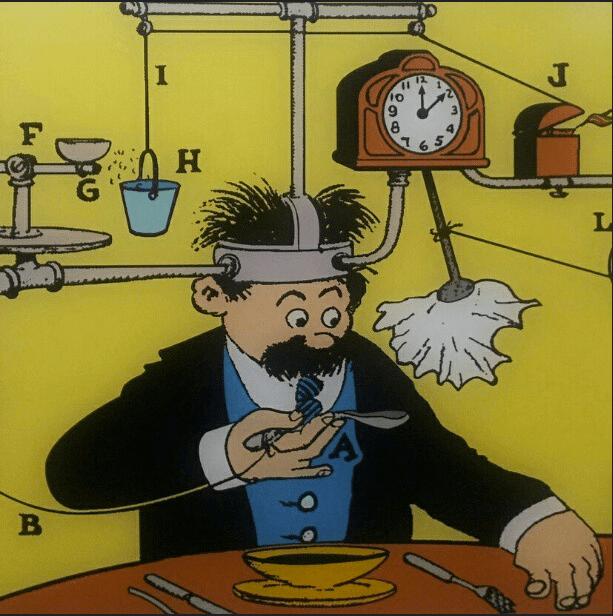
What is especially worrying is the Rube Goldberg collection of conflicting laws being written from state to state and the question as to how state governments would take on the task of certification and enforcement. The certified organic label and the Non-GMO label already provide the relevant information for those wishing to avoid GMOs and the organizations behind them already have the necessary infrastructure to carry out their mission. The state of Oregon does not currently have that infrastructure. It’s hard to see any reason to further stretch an already overextended government. (See more of my thoughts on this from a previous post here.) Is Oregon or Vermont going to hire a staff of inspectors to police the national food chain?

There are a few key differences between the law passed in Vermont and the one facing voters in Oregon that would present difficulties for national food suppliers attempting compliance in the two states. The Vermont bill would exempt processed foods that “includes one or more processing aids or enzymes produced with genetic engineering” the Oregon initiative does not make that exemption, so that cheese makers would be confronted with the same conflicting rules between the two states that they are between the Vermont law and the private labeling programs. The Vermont law also would make the standard exemption for foods that contain less than 0.9% genetically engineered material by weight. This is not written into the Oregon initiative and in fact the language makes the general statement: “all raw food and processed food that is entirely or partially produced genetic engineering must be labeled”. It’s possible that a product that would not require a label in Vermont, would in Oregon if the general language is interpreted to mean a zero tolerance policy on trivial segregation issues.

In high school American history we learned about the Articles of Confederation. A patchwork system of state laws governing commerce didn’t turn out very well the first time we tried it. Is there any reason to believe that approach is going to work any better today?

Personally, mandatory GMO labels make no sense to me, but a hodgepodge system of state laws and private labeling schemes makes even less sense.

Marc Brazeau is a writer and editor for the Genetic Literacy Project. Follow Marc on Twitter @realfoodorg

Cannabis DNA mapping could lead to more consistent “highs”

Nine months ago, Mowgli Holmes, 42, started Phylos Bioscience in Southwest Portland with entrepreneur Nishan Karassik, 44, with the aim of using cannabis DNA to untangle the genetic makeup of as many marijuana strains as they can find.

Their ultimate goals: to certify marijuana strains so consumers know what they’re getting and to provide pot growers with a kind of “stud book” of strain genetics to help guide their breeding.

But cannabis genetics remains a largely untapped field, said Taylor West, deputy director of the National Cannabis Industry Association. She said marijuana genetics overlaps with intellectual property and U.S. patent issues, areas complicated by the federal prohibition on the drug.

Their work is the latest example of scientists getting into the business of pot. So far they’ve focused mostly on lab testing for things such as potency and pesticides — a requirement in places like Colorado and Washington, the only two states with legal recreational marijuana programs, and Oregon, one of 23 states that allow medical marijuana use. An initiative on Oregon’s November ballot also would legalize the drug here.

In California, lab testing isn’t required, but consumer demand for lab-tested pot has spawned an industry. Scientists, too, have gotten involved in helping marijuana companies fine-tune extraction methods to meet the growing market for potent cannabis concentrates.

But cannabis genetics remains a largely untapped field, said Taylor West, deputy director of the National Cannabis Industry Association. She said marijuana genetics overlaps with intellectual property and U.S. patent issues, areas complicated by the federal prohibition on the drug.

The way Holmes sees it, identifying a strain’s particular genetic makeup is a major step toward being able to assure strain-fixated marijuana consumers that what they’re smoking is what they were told it was. Genetics, too, can help growers breed with more precision.

“Our biggest project really is to solve the question of consistency in this industry. There is no reassurance that if you’re a Sour Diesel fan, that you could go into a dispensary and get Sour Diesel. It’ll say Sour Diesel, but it will be something totally random.”


Read full, original article:
Is that Sour Diesel in your bong the real thing? Portland scientist sets out to map marijuana DNA and find out

Dr. Bronner pumps in money to pass Oregon mandatory labeling campaign

The most expensive food fight in Oregon history is just getting interesting, and David Bronner is smack in the middle of it.

Bronner is the CEO of Southern California’s Dr. Bronner’s Magic Soaps, a counter-culture-loving company known for minty, organically certified cleaning products and labels filled with more information than some magazines.

And he’s now donating hundreds of thousands of dollars in company profits to help pass Measure 92, which if approved by voters in November would make Oregon one of the first states in the nation to require the labeling of genetically modified foods.

…

Q. The opposition insists that genetically engineered seeds and foods can be beneficial in terms of the overall food supply. Do they have a point?

A. The food industry has been sold a bill of goods, and Big Food is now carrying water for Big Ag. This is not boosting yields, and it’s not making food production cheaper. The facts on the ground are coming out and insecticide use is surging. This is not a sustainable method of agriculture.

Q. Your company is donating a lot of money to this effort ($550,000 and counting). Do you personally have any say in how it’s spent?

A. Not me personally, but definitely a few others do. They’ve been through these fights and know how this works. We’d love for this to be entirely on a grass-roots basis, but Oregon is about to be carpet-bombed by one of the most sophisticated propaganda machines ever assembled. You need some sophistication to match that.

Read the whole, original interview: Dr. Bronner’s betting big on Oregon’s pro-GMO labeling campaign

9 most asked questions about GMOs: University of Florida’s Kevin Folta answers

The Refinery 29 has collected the most asked questions about GMOs from their readers and asked University of Florida plant scientist Kevin Folta to answer them. These are the questions people wanted answers to:

  1. How influential are Monsanto and other for-profit companies in scientific research on GMOs?
  2. Is there merit to the fears that GMOs will disrupt ecosystems?
  3. How similar are GMOs to each other? Should we really be talking about them as if they are all the same thing?
  4. Have studies shown any direct link between GMOs and cancer?
  5. Are there any significant studies underway to substantiate the dangers of GMOs?
  6. A common criticism of GMOs is that they seem safe now, but the human lifespan is 70+ years. So, how do we know that they will be safe in the long term? Have there been any multi-generational studies?
  7. What’s the deal with the “terminator” gene? Was it ever used?
  8. Another common criticism of GMOs is that, because of the expense involved in purchasing the seeds, they somehow put small or impoverished farms at a disadvantage. How would you respond to this?
  9. What are U.S. labeling laws for GMOs? Should labels be required? And, why are labeling laws passed by state and not federally?

Read the answers at: Everything you need to know about GMOs

Agent Orange redux? Dr. Oz called out for fear-mongering on newest GMO products

Screen Shot at AM

Dr. Oz, infamous for his promotion of alternative medicine remedies and organic foods, and for his scaring people about chemical and conventional agriculture, is at it again. On Monday, he aired a program attacking the newest GMO trait to be approved, crops are resistant to an herbicide called Enlist Duo, developed by DowAgro Sciences, that contains the common household herbicides 2,4-D and glyphosate, and would be used for a new generation of GMO corn and soybeans.

The Center for Food Safety (CFS) misleadingly spread the term, “Agent Orange Corn, because 2.4-D was part of the Vietnam War era chemical. Yet that term was immediately picked up by bloggers, environmental andOrganic organizations, and even “news outlets”. 2,4-D was mixed with another totally separate chemical, 2-4,5-T, which was unknowingly contaminated with dioxin and eventually linked to injuries and deaths. But as Biofortified.org has explained, 2,4-D has been widely tested, is considered a relatively mild chemical herbicide and is an approved  component of most consumer products for the control of weeds in lawns. It is used extensively in wheat.  It can already be used on corn up to a certain growth stage. 2,4-D is NOT Agent Orange.

Steve Savage, a pesticide experts offered his analysis:

Virtually nothing in the episode was presented accurately. It is a prime example of fear-mongering around the issues of “GMOs” and pesticides. I’d like to respond, point by point, to what it says that is not true or misleading.

“The EPA is on the brink of approving a brand new toxic pesticide you don’t know about.”

The product in question, Enlist Duo is a combination of two very old herbicide products:  2,4-D and glyphosate. A great many consumers do know about these materials because they have been approved for homeowner use for decades and are common ingredients in products available at any neighborhood gardening center. These chemicals are still approved for use in more than 70 countries around the world and for use in high exposure settings like lawns, parks, sports fields and gardens. They are still used this way because after multiple rounds of increasingly sophisticated scrutiny by regulators, they have been confirmed to be quite low in toxicity to humans and to the environment. This product is neither “brand new” nor is it notably “toxic.”

These products are for new GMO corn and soy crops that “survive even stronger pesticides.”

What does “stronger pesticide” mean?  The need for this mixture is that some weeds have evolved resistance to glyphosate. There is nothing unique about that associated with a biotech crop. Weeds have evolved resistance to all manner of control methods including mechanical tillage (some weeds like bindweed or Canada thistle are very well adapted to being chopped up and spread around a field by equipment).  The issue isn’t about something “stronger” but about something that is a mixture of two distinct “modes of action” which makes it harder for the weeds to adapt around the control. The term “stronger” that Oz uses implies something about being more toxic or dangerous. That is not the case here.

Read full, original article:
Don’t believe what Dr Oz is saying about an agricultural herbicide

India’s political flip-flopping over new GM field trials paralyzes innovation

In August, India’s ruling nationalist Bharatiya Janata Party (BJP) stopped its legislators from accepting Monsanto sponsorship to attend a farm exhibition in the US state of Iowa. On the surface this might seem strange: attending the Farm Progress Show should be innocuous, as Monsanto routinely takes farmers, industry experts, media and MPs from various countries to visit the show and experience for themselves the advances in agriculture.

But clearly the BJP government wants to avoid any accusations of undue influence when deciding whether India, a largely farming country of 1.2 billion people, is going to grow genetically modified (GM) food crops commercially.

Soon after the May 2014 elections, the pro-business BJP government tried to overturn India’s former environment minister, Jairam Ramesh’s, moratorium by announcing field trials for several crops, including GM aubergine. But within weeks, pressure from groups affiliated to the party, rather than from activists, pushed the government to suspend the trials and to stop legislators from accepting Monsanto’s Iowa invitation.

The government’s continued flip-flopping over field trials has disappointed Indian research scientists. Delhi University has spent 18 painstaking years developing high-yielding GM mustard only to run into bans on field trials. Its developer, Deepak Pental, says that trials with good biosafety protocols are safe and should be allowed, although he concedes that GM mustard could naturally cross with non-GM varieties, once released commercially.

So will the Indian government grasp the GM nettle? Asked this question at a public meeting in August, environment minister Prakash Javdekar remained cautious—and cryptic—saying: “We are not saying no to science. We have to take proper caution. We have to take proper action.”

Read full, original article: India Caught Between Business And Activists Over GM Crops

New sign language challenges genetic basis for similarities between languages

Languages, like human bodies, come in a variety of shapes—but only to a point. Just as people don’t sprout multiple heads, languages tend to veer away from certain forms that might spring from an imaginative mind. For example, one core property of human languages is known as duality of patterning: meaningful linguistic units (such as words) break down into smaller meaningless units (sounds), so that the words sap, pass, and asp involve different combinations of the same sounds, even though their meanings are completely unrelated.

It’s not hard to imagine that things could have been otherwise. In principle, we could have a language in which sounds relate holistically to their meanings—a high-pitched yowl might mean “finger,” a guttural purr might mean “dark,” a yodel might mean “broccoli,” and so on. But there are stark advantages to duality of patterning. Try inventing a lexicon of tens of thousands of distinct noises, all of which are easily distinguished, and you will probably find yourself wishing you could simply re-use a few snippets of sound in varying arrangements.

As noted by Elizabeth Svoboda in the current issue of Nautilus, the dominant thinking until fairly recently was that universal linguistic properties reflect genetic predispositions. Under this view, duality of patterning is much like an opposable thumb: It evolved within our species because it was advantageous, and now exists as part of our genetic heritage. We are born expecting language to have duality of patterning.

What to make, then, of the recent discovery of a language whose words are not made from smaller, meaningless units? Al-Sayyid Bedouin Sign Language (ABSL) is a new sign language emerging in a village with high rates of inherited deafness in Israel’s Negev Desert. According to a report led by Wendy Sandler of the University of Haifa, words in this language correspond to holistic gestures, much like the imaginary sound-based language described above, even though ABSL has a sizable vocabulary.

Read the full, original story: The unusual language that linguists thought couldn’t exist

Gates Foundation funds research for genetic tools in sweet potato breeding

North Carolina State University will receive $12.4 million over the next four years from the Bill & Melinda Gates Foundation to improve a crop that is an important food staple in sub-Saharan Africa – the sweet potato.

The grant will fund work to develop modern genomic, genetic and bioinformatics tools to improve the crop’s ability to resist diseases and insects and tolerate drought and heat. Sweet potatoes are an important food security and cash crop with potential to alleviate hunger, vitamin A deficiency and poverty in sub-Saharan Africa. More than 13.5 million metric tons are produced in sub-Saharan Africa annually; they are predominantly grown in small plot holdings by poor women farmers.

A priority crop for the Gates Foundation’s Agricultural Development Program, the sweet potato has a complex genetic blueprint. Lack of knowledge about the crop’s complex genome and lack of modern breeding tools for the crop currently hamper efforts to expand production.

“NC State has a long history of commitment to developing Africa’s sweet potato breeding programs,” Yencho said. “We will work very closely with the sweet potato breeding community to identify young breeders for advanced training to build long-term capacity in use of genomic breeding. During the project term, we will make efforts in training to ensure that new researchers and partners are fully capable of employing newly developed tools.”

Read full, original story: NC State receives $12.4 million grant from Gates Foundation for sweet potato research

Gene editing, CRISPR, might provide solution to viral antibiotic resistance

A gene editing system bacteria use to shield themselves from viruses has been used by MIT scientists as a sword to vanquish antibiotic resistance. Thus far, the scientists have used the gene editing system, called CRISPR, to improve survival in moth larvae infected with a harmful form of Escherichia coli. Next, they intend to explore its efficacy in mice.

Ultimately, the scientists, led by MIT’s Timothy Lu, M.D., Ph.D., hope that a more fully developed version of their CRISPR approach will treat infections or remove unwanted bacteria in human patients.

The CRISPR system devised by Lu’s team meddles with bacterial genes that confer antibiotic resistance. For example, in a newly published study, the system was used to target NDM-1 and SHV-18. NDM-1 is an enzyme that confers resistance to carbapenems and other beta-lactam antibiotics. SHV-18, a mutation in the bacterial chromosome, helps bacteria resist quinolone antibiotics. It is also a virulence factor in enterohemorrhagic E. coli.

The CRISPR system, the researchers found, was even capable of providing a kind of bonus: It selectively removed specific bacteria from diverse bacterial communities. To achieve this feat, the researchers engineered RNA-guided nucleases (RGNs) against different genetic signatures, enabling simultaneous targeting of a variety of virulence factors and resistance genes. This approach, the researchers suggested, raises the possibility of “microbiome editing”—and not just in antimicrobial applications.

Read the full, original story: CRISPR Snips Away Antibiotic Resistance

Stem cells: Stalled promises

a a b z

Recently I saw my first stem-cell therapy television commercial. A woman with chronic, undiagnosed lower back pain was ‘cured’ when a doctor at a local clinic injected adult stem cells into the tissue surrounding the source of her pain. The cells regenerated the damaged nerve and muscle tissue, the commercial claimed, with fine print scrolling along the bottom indicating the treatment hadn’t been vetted by the FDA.

I suppose it’s not that surprising that these experimental treatments have made it to basic cable, given that the governor of my state, Rick Perry, had a similar treatment three years ago. Major sports figures like Yankees starting pitcher C.C. Sabathia and outfielder Carlos Beltran commonly head to other countries for similar treatments in their knees.

But the commercial did bring up memories of a time when stem cells were hailed as a near cure-all, sure to imminently deliver treatments for a wide range of neurological, auto-immune and trauma related conditions.

Although there are no approved treatments beyond bone marrow transplants, many patients continue to turn towards the initial hope stem cells inspired. The New York Times tells the story of Edgar Irastorza who had a heart attack at 31:

He survived the heart attack, but the scar tissue that resulted cut his heart’s pumping ability by a third. He couldn’t pick up his children. He couldn’t dance. He fell asleep every night wondering if he would wake up in the morning. Desperation motivated Mr. Irastorza to volunteer for a highly unusual medical research trial: getting stem cells injected directly into his heart. “I just trusted my doctors and the science behind it, and said, ‘This is my only chance,’ ” he said recently.

But while more patients are choosing these procedures, despite not knowing one way or another if  the therapies are effective, various episodes have illustrated how tentative, dangerous and politicized the field is including a woman whose ineffective treatment developed into a tumor and a Japanese research fraud that led to a respected scientist’s suicide.

And there are continuing reports documenting how clinics promise results from stem cell treatments for procedures that have never been clinically proven effective. Often these procedures carry $10,000 price tags or more. Some are even flat out scams, reports the Australian Broadcasting Company. MS patient Annie Levrington went to Germany and paid $15,000 for a transplant only to discover she’d not been given any stem cells at all when she returned and consulted with her primary physician.

Despite these set backs, research continues. There are some definite signs of promise of stem cell therapies becoming clinically significant. The FDA approved the first treatment developed through the voter-backed California Stem Cell Initiative in August of this year. And a Japanese woman received a retinal transplant of stem cells made from her own adult skin cells earlier this year in an experimental treatment for the degenerative eye disorder macular degeneration. Although it may feel like we are 15 years behind, it is perhaps a good lesson for the media and the public: Quality research doesn’t happen overnight and we should be willing to wait for effective, safe therapies.

Meredith Knight is editor of the human genetics section for Genetic Literacy Project and a freelance science and health writer in Austin, Texas. Follow her @meremereknight.

Additional Resources:


Start genetic literacy young: Take your family to “Unlocking Life’s Code” touring exhibit

genetic code x

“Genome: Unlocking Life’s Code” is an initiative of the National Museum of Natural History (NMNH) and the National Human Genome Research Institute (NHGRI). Together, they have created a dynamic and high-tech exhibit delving into exploring the workings of genes, and how genomics permeates the world around us.

The exhibition is a 4,400 square foot immersion experience at the National Mall. It focuses on a few areas of genomic science in a fascinating and engrossing manner designed for a lay audience and children. Here are some of the most exciting features in each area:

Visitors to “The Genome Within Us” will encounter the 3-D printed Genome Ball display. When we think human chromosomes, most of us picture a neat karyotyped arrangement of x-shaped chromosomes. Yet as scientists have learned, chromosomes are anything but neatly arranged in cell nuclei. The Genome Ball sculpture shows visitors how a genome really looks.

Those wandering into “Genome Zone” will find themselves in an interactive educational space. Here, of many alluring activities, visitors can determine their alleles for predominantly Mendelian inherited traits like attached-earlobes, tongue rolling. Then enjoy comparing information with those sharing a unique combination of these traits. At the Smithsonian exhibit, mingle one-on-one with real live visiting experts at “The Genome Scientist Is In” programs.

The “Genomic Medicine” online exhibit features the awesome science behind how genomics will inevitably transform the way clinicians treat their patients. Here, learn about how one’s genetic makeup influences whether or not s/he responds to a drug at all, will experience harmful side effects, or may require an altered dose. Discover the intricacies of cancer genomics, and how comparing the genetic information from tumor tissue as compared to healthy tissue provides powerful insight leading to cancer treatment and prevention.

Mutations driving cancer growth

There are more areas of genomics to explore including “The Natural World,” “Our Genomic Journey,” and “Genomics and Society.” Excellent news–the “Unlocking Life’s Code” Exhibit will begin a nationwide tour starting this month. I encourage everyone to visit the website and see if the exhibit is coming to a city near you. If attending in person isn’t feasible, the site also features a fantastic virtual tour, informative videos, and interactive multimedia for adults, children, teachers, and students.

Is it just me, or is anyone else looking forward to checking it out in person?

Kavin Senapathy is a contributor at Genetic Literacy Project and other sites. She works for a genomics/bioinformatics R&D in Madison, WI. She is not a scientist, but loves all things genetics, genomics, and bioinformatics. Her interests span the human and agricultural realms. Opinions expressed are her own and do not reflect her employer. Follow Kavin on twitter @ksenapathy and Google +

What does increasing life expectancy mean for future society?

If current trends persist, we can expect that Americans born in the year 2084 will live to be 100. That’s up from an average life expectancy of 39.4 years in 1880. Living longer, healthier lives is an appealing prospect. But what will it mean for our economy, politics, and healthcare systems when America’s 65-and-older population triples in size?

Read the full, original story: The new science of immortality


How very similar genes give rise to diversity of life

There’s a unity to life. Sometimes it’s plain to see, but very often it lurks underneath a distraction of differences. And a  new study shows that there’s even a hidden unity between our slipped disks and the muscles in a squirming worm.

Scientists call this unity “homology.” The British anatomist Richard Owen coined the term in 1843, sixteen years before Charles Darwin published The Origin of Species.  Owen defined homology as “the same organ in different animals under every variety of form and function.” For example, a human arm, a seal flipper, and a bat wing all have the same basic skeletal layout. They consist of a single long bone, a bending joint, two more long bones, a cluster of small bones, and a set of five digits. The size and shape of each bone may differ, but the pattern is the same regardless of how mammals use their limbs–to swim, to fly, or to wield a hammer.

Recently, Detlev Arendt, a biologist at the European Molecular Biology Laboratory, and his colleagues investigated the evolution of an important but  overlooked feature in our bodies, known as the notochord. It’s a stiff rod of cartilage that develops in human embryos, running down their back. Later, as the spine develops, the notochord transforms into the disks that cushion the vertebrae (and sometimes slip later in life, causing much grief).

Arendt and his colleagues wondered how the notochord first evolved. Squid don’t have a notochord. Neither do clams, or cockroaches, or tarantulas. The notochord, in other words, seems to be unique to chordates. So where did it come from? Did it emerge right at the dawn of chordates, or did it have deeper origins?

Read the full, original story: What slipped disks tell us about 700 million Years of Evolution

Epigenetics focus of next round of National Institute of Aging grants

The National Institute on Aging plans to award up to $800,000 next year to investigators’ efforts to develop and plan research projects that will examine epigenetic factors involved in age-related diseases, NIA said Friday.

NIA plans to use cooperative agreements to fund two research teams that will plan and design research projects that will investigate epigenetic risk factors for age-related diseases and conditions, or will undertake small-scale pilot projects focused on the same goals. NIA expects that these planning-stage and pilot projects will receive more funding when they are fully developed.

The institute said these studies will focus on using epigenetics to address important questions in the emerging field of geroscience, which aims to relate the biology of aging to the development of chronic diseases and conditions that are prevalent among older populations.

Although epigenetic factors are not likely to be the only factors that explain the risk of chronic and degenerative diseases, epigenetic and related sequencing and gene expression data may be obtained to identify epigenetic factors involved in these conditions and then tested experimentally, NIA said.

Read the full, original story: NIA to Fund Planning Projects for Epigenetics Studies of Age-related Conditions


Making friends with Frankenfood: What critics, supporters miss in conversation over GMOs

couple arguing

Sometimes it surprises me that I’m not an anti-GMO activist.

Demographically, I fit the bill: I’m a left-leaning middle-class American woman with a bone to pick about the way my country eats. I’ve published articles about the salutary effects of sustainable/local/organic farming, I’m a member of Kentucky Community Farm Alliance and I subscribe to a CSA (community-supported agriculture) farm share. I am chronically skeptical when my friends and family declare that this or that paper-snowflake diet is going to slim me down, increase my energy or rid my body of disease because the only diet I’ve come to believe in is a holistic one in which vegetables, grains, meat and dairy are sourced from small-scale farmers whose chickens weren’t confined to cages and whose cows lived lives of roaming, grassful dignity.

Because many of us locavores campaigning for compassion and accountability in the way we plan our meals also advocate for a simpler way of life in general—less unnecessary technology and more focus on family and community—it’s not surprising that a lot of us have also spurned the introduction of GMO’s to farms across America.

Is this aversion a kneejerk reaction based on too-limited understanding of what GMO’s are? Or is the growing fear that has inspired rallies, unlawful destruction of GM products, demands for labeling of GM foods and the publication of countless articles, pamphlets, websites and blog posts a real and worthy one?

GMO activists, who encourage hostility toward any biological product whose DNA has been altered in the lab, are concerned about the effects these new crop strains and animal breeds might have on the health of our bodies, our agricultural systems and our environment. Anti-GMO concerns include whether genetically modified food is safe to consume, whether GM plants and animals will escape the farms where they’re introduced to infiltrate other habitats or pastures, and whether seeds modified and sterilized are ethical to sell to farmers, among other things. The most vocal are convinced that GM foods cannot be trusted and they advocate for costly labeling practices and laws against making and growing GMO’s—and they are sometimes violent about their demands.

I believe it’s a wholly decent and responsible thing for organizations and individuals to promote awareness of what’s being grown on America’s farms, which we, its citizens, ultimately feed our children; we are greatly indebted to those who have had the foresight and courage to put tough questions to our nation’s top scientists and nutritional experts in the past. The problem I have with the anti-GMO movement is not that its members are asking questions. On the contrary—my problem is that GMO opponents, who some have called “the climate skeptics of the left,” aren’t asking enough questions—and many of them don’t seem to want to hear about the well-researched, widely documented answers to those questions.

It’s the steadfast unwillingness to believe genetic modification could have any positive effects on our food and environment whatsoever that, in my opinion, has transformed its campaigners from conscientious cynics helping heal our tech-addled society into fingers-in-the-ears dogmatists. To many, my cautiously pro-GMO stance might appear antithetical to what I’ve written previously—the fact that there’s any dissonance at all is due in part to the informational rift that’s been created between GMO’s and the general public.

Allow me to explain. Genetically modified organisms already abound on organic farms. They line the shelves of our local Whole Foods Markets and arrive packed in good clean dirt with semi-weekly farm-share boxes. We humans have been slipping our fingers into the genomes of other organisms for thousands of years. The same manipulations that over centuries of trial and error have made your dog docile and your cat, well, depends on the cat—selective breeding—are as wholly “unnatural” within the plant and animal kingdoms as the more refined technologies we now have in the lab.

It was actually this very observation—the way human preferences could affect the temperament, behavior, morphology and diet of their pets and livestock—that led to some of Darwin’s key insights while developing his theory of evolution. There seemed to him a vast difference between what humans do to alter their animals and what occurs in nature to shape species into different kinds.

As evolutionary biologist Dennis Venema describes, “[Darwin noticed that] rather than a breeder choosing which individuals to mate, the ability of different variants to reproduce in a given natural setting would allow some to reproduce at a greater rate than others. Since their traits would be heritable, this would drive changes in traits over time in the population experiencing ‘natural selection,’ a term Darwin coined as an analogy to human, or artificial, selection.”

If the writers, thinkers and activists of Darwin’s time were consequently concerned about the effect selective breeding might have on the health of affected species and their consumers, these concerns didn’t make much of a dent on the scientific and social literature of the time. Uproar may have been scarce in part because the changes humans were causing in their animals and plants were subtle; they happened over time, ploddingly, from one generation to the next. The owner of an orchard could create a new strain of apple trees in his or her lifetime, but what cause would the arborist have had to speculate on the innate weirdness of what they were doing? Apples to apples.

Anytime we’ve chosen to hybridize a plant or animal by crossbreeding it with another, the morphological and behavioral changes we observe as a result first occurred at the DNA level. If we can do this type of tinkering with no grand ethical, doomsaying qualms, what prevents us from approaching with the same removed calm the more direct process of transferring genes between organisms in the lab? Indeed, at the macro level there is arguably more room for unanticipated results using old-fashioned breeeding; when knitting whole genomes together, we are playing a much less predictable game than when giving a plant an additional bit of genetic material to allow it to produce a specific trait, such as a pest-repellant toxin.

Granted, there are some key differences between lab techniques and traditional ones. Nature allows for the sexual pairing and consequent progeny of different dog breeds, lettuces, apples etc., because they are so closely related to begin with. We didn’t “force” anything there. But I don’t agree that just because breeding seems more natural means we should abandon altogether the more technologically sophisticated techniques we have now. When scientists talk about changing the world through genetic engineering—creating faster-growing, drought-resistant and disease-free food, or vitamin-rich crops in areas where natives suffer nutritional deficiencies—what they’re saying may sound overambitious or scary, but hold on a minute before hopping on the anti-GMO bandwagon.

We lucky members of the living world, so different in size, appearance, lifestyle and needs are all built with a staggering sameness. It’s not the stuff of our genetic code that makes us different—the human genome is no more profound than the genomes of yeast and rice (depending on how you choose to measure such things, both can be argued to possess more genetic information than we do). All creatures great and small are formed from the exact same building blocks: four types of nucleic acids, which scientists have nicknamed “A,” “C,” “T,” and “G,” code for everything living, breathing, swimming, and photosynthesizing on earth. To our knowledge, not a single carbon-based organism possesses a single letter of genetic information beyond that simple, universal alphabet.

This grand monotony is what makes genetic engineering possible, and practical. Crossing a firefly with a fern to make electricity-free reading lamps would be utterly impossible if both organisms were as fundamentally different as they look. Modifications made in the lab are simply swifter and have a larger array of conceivable uses than what we can create through artificial selection. It’s frankly a lot harder to try to produce battle-fortified citrus fruit by forcing two plants from different evolutionary lines to have sex than it is to insert a gene from the genome that can help in among the genes of the plant that needs helping.

Some anti-GMO activists claim that bug control via GMOs is one of the major problems with GMOs—when you engineer plants to produce their own natural pesticide, you end up killing bees and butterflies along with the unwelcome bacteria and beetles. Others claim that because some GMOs are proprietary and don’t produce viable seeds, their nutritional value to helpful insects dries up and thus, the bees die from malnourishment. If certain GMO crops can be implicated in the disappearance of bee colonies, then I say that’s a very good reason to oppose the cultivation of those specific GMO’s.

Precautions should be taken and are being taken to restrict GMOs used in some areas until we know more; even so, researchers are divided on the role that GMOs play, if any, on bee health. Even if there were considerable proof that GMOs were a threat to bees, does this mean we should oppose all GMOs on principle because of it? The bees and butterflies need advocates, they need protecting, but most of all they need help from scientists and horticulturalists to determine how best to protect them. That does not mean we should be damning all GM products.

Meanwhile, the panic ignited by anti-GMO activists may be causing more damage to human children than it is to any of the fuzzy, buzzy insects in your backyard. Golden rice, a strain of rice developed by scientists to help boost vitamin A levels and other nutrients in the diets of severely malnourished children, have been the target of multiple attacks and misinformation campaigns—a minority of protestors have burned whole fields of rice as inflammatory acts against genetically engineered food, as babies go blind and die in the background.

All this consternation, and yet nothing about the process of creating and cultivating GMOs need be inherently alarming or menacing if adequate precautions are taken to test GM products and introduce them with vigilance and care. Three separate government bodies regulate the production and implementation of GMOs—the EPA to evaluate them for environmental safety, the USDA to determine whether they’re safe to grow and the FDA to test whether they’re safe to eat.

GM foods get far more safeguarding attention than the novel fruits and vegetables your local farmer grows in her backyard. You could suggest (and many do) that the scientists behind these efforts, and the people in these agencies, and the environmental reporters and science journalists and everyone else involved in informing the public about GM products are unprincipled and corrupt shills for Monsanto working in a giant, silent conspiracy, but I’d say that you were, in a word, wrong.

Of course GMO’s are not risk free, and of course we need to proceed with utmost care and caution—none of the scientists I know think otherwise. As Doug Lauffenburger, head of the bioengineering department at MIT once told me, “The relative potential a new technology has for improving our lives and the world around us is directly proportional to the potential it has for doing harm.” So, small investment = small potential risk, small potential gain. Big investment = big potential risk, big potential gain.

We need to be more careful where we focus our concerns regarding GMOs, and how we advocate for or against them. Things are rarely as simple as they seem—as with human beings, human products are a complicated blend of positive and negative, possibly helpful and possibly harmful properties.

So who gets to talk about these things, and what should they be talking about? I believe in the principles of our democracy and I believe anyone who wants to have a say should join the conversation. But I urge advocates one way or the other to do extensive research before forming for-or-against opinions, and once formed, to be judicious about how they characterize both their views and the values of the other side.

Let’s talk about real concerns—the relationship between GMO’s and the protection of wildlife, or economic questions surrounding production and sale of GM products, including the question of whether it’s fair to sell seeds to farmers that they can’t save back and must re-purchase every year. And let’s talk about the opportunities—the genesis and release of bacteria that might remediate oil spills or clean up harmful chemicals, or goat milk that cures disease or bioluminescent plants to light up cities, instead of getting hysterical when it turns out that for much of our lives, most of our processed and some of our unprocessed food has contained GMOs. Indeed, the eating of genetically modified organisms probably shouldn’t even be on our list of major concerns.

As the Genetic Literacy Project has written, “…every major scientific regulatory oversight body in the world, including the National Academies of Science and the Food and Drug Administration in the United States, has concluded that genetically modified foods pose no harm not also found in conventional or organic foods… Since GMOs were introduced into the food supply almost 20 years ago, there has not been one documented case of any health problem in humans—not even so much as a sniffle—linked to GMOs. The American Medical Association, whose physician members would have long ago picked up on a GMO-allergy connection, definitively rejects such speculation.”

As a fellow American conscious of the impact we have on our food systems and that our food systems have on us, and as a proponent of joyful and responsible eating and living in the 21st century—I am not advocating blind acceptance of the environmental and nutritional benefits of GMOs—but I do hope we will begin to adopt an attitude of caution and respect when discussing GMOs and judging how they should be utilized (or not).

While some of us are keenly invested and some are just starting to navigate the issues, all of us can choose to weigh the facts for their scientific and ethical integrity, not our own kneejerk biases. This goes for activists on both sides of the debate; extremism exists within the communication efforts of our scientists and science writers as well as those of our grassroots leaders. Let us search through the fray for those voices who educate with humility and a passion for understanding, even when the facts don’t seem to point to their own convictions.

Emily Ruppel is a PhD student in rhetoric of science at the University of Pittsburgh; prior to her doctoral work, she studied poetry at Bellarmine University and science writing at MIT. She has served as Web Editor for The BioLogos Foundation and as Associate Director of Communications for the American Scientific Affiliation.