Sleeping brain still rehearses important tasks

Efforts to combine last minute cramming with a good night’s sleep by sticking a book under the pillow and hoping the information will seep through aren’t as ridiculous as they sound. Okay they are, but an audio book might just work.

The belief that the brain shuts down entirely during sleep is an even older, and more pervasive, myth than the book under the pillow. In recent years it has been discredited. We know that the brain does not turn off entirely during sleep. Even aside from dreams, we are able to filter out less important noises we hear while asleep, waking up for things that matter – although of course some of us are better than others. Sleep can also be a great way to lock in things we have learned previously.

A new study in Current Biology has shown that when it comes to absorbing information, sleep is the new awake.

Dr. Sid Kouider of Ecole Normale Supérieure de Paris and co-authors conclude, “Subjects classifying spoken words continue performing the task after falling asleep.” They had participants lie down in a dark room and respond to a stream of words by sorting them into two categories, pressing one of two buttons to indicate their choice.

When given permission to fall asleep, many of the participants did just that. Naturally the button pressing stopped, but their brains did not. Using a electroencephalogram (EEG) the researchers found that the parts of the brain responsible for pressing left or right buttons continued to light up as they heard the words. Moreover, they lit up correctly – when the sleeping brain heard a word in the first category the area responsible for directing the left hand lit up, while the second category sparked the right hand’s controlling area.

Read the full, original story: Your brain can make decisions during sleep

Activists, farmers link GMOs to use of neonic pesticide, claim bees endangered

canola

Today, genetically engineered crops dominate agriculture, and two-thirds of the world’s cropland gets a regular dose of neonicotinoids, including 90 percent of corn and 60 percent of soybean acres.

Farmers, in fact, have few options. The highly complex seed combinations they find on the market are determined by interwoven licensing agreements among the companies that control the seeds and the companies that make the insecticides. Often they are one and the same. Bayer CropScience and Syngenta, for example, sells seeds and makes some of the most widely used neonicotinoids. Monsanto, the world’s leading seed company, uses Bayer’s neonicotinoids on some of its leading genetically altered seeds. Monsanto also developed the herbicide Roundup, as well as the genetically engineered seeds that are resistant to it.

Bees pay the price. In 2006, beekeepers began raising the alarm about neonicotinoids after they noticed a sudden and inexplicable collapse of their colonies over winter. They used to lose 10 percent of their bees in the cold months, building their hives back up in the summer. But in the past decade, average hive losses of 25 to 30 percent have become routine, a decline that many say is not sustainable for their businesses — or the $15 billion a year in food crops that rely on bees for pollination.

Bayer CropScience, Monsanto and others in agribusiness say there is no evidence that neonicotinoids are to blame. Years of research went into their development, including studies that concluded the low doses bees encounter as they forage for pollen and nectar are insufficient to kill them, company officials say.

Yet beekeepers, environmentalists and many scientists are raising a growing chorus of disagreement. Dozens of studies have now found that low doses of neonicotinoids may not kill bees outright, but can cripple their highly sophisticated navigational and communication skills, and hamper a queen’s reproduction.

Read original, complete article: Bees at the Brink: Fields of green are a desert for bees

Politics not science likely behind China’s halt of crop biotech trials

Chinese officialdom appears to be at an impasse on its approach to genetically modified foods. The GMO impasse may have deeper roots than most observers realize.

It may be emblematic of a broader collision between officialdom’s “modernization” strategy and a creeping distrust of authority that is undermining the communist party’s reliance on “science” as a palliative that hides the fundamental flaws in the system.

The flashpoint is the Ministry of Agriculture’s failure to renew “safety certificates” for three GMO crop strains in August 2014. These GMO varieties were in the advanced stages of testing, and loss of safety certificates prevents moving toward commercial release. There was no explanation for the non-action and no indication of whether approvals might be granted in the future. A Chinese scientist involved in developing the crops told a journalist it was “inconvenient” to comment on the failure to extend the certificates and said inquiries had to be made with the university’s propaganda office.

An opinion piece in Yangcheng Daily, a Shenzhen newspaper, questioned why the Government let the GM rice safety certificates expire without any explanation. According to Yangcheng Daily, some experts say that fear of public opinion is preventing Government officials from acting on the GMO approvals. However, the anti-GMO tide of public opinion is itself generated by the public’s lack of confidence in the Government’s ability to ensure food safety, said the Yangcheng Daily article.

The Yangcheng opinion writer suggests that slow approval is appropriate until there is public consensus. Pushing GM crops through without that consensus would further undermine public confidence. However, remaining silent and giving no explanation may elevate consumer fears by presuming that the Government must have evidence that GM crops are unsafe. Furthermore, said the Yangcheng Daily, the Government owes the public an explanation since so much has been invested in developing the crops.

Read full, original post: China’s GMO impasse

Anti-GMO policies stifling response to Australia’s growing farm pest problem

South Australian Liberal Senator Sean Edwards says an outbreak of beet western yellow virus has “blindsided” croppers in his home State this season.

But he believes the potential solution – strengthened plant biotechnology research – is being stifled by SA Agriculture Minister Leon Bignell’s penchant for putting politics ahead of science based policy-making.

Senator Edwards said some growers have lost between 10 and 15 percent of their canola crops, with a significant reduction anticipated next year if the virus continues. But he said the situation has been worsened because aphids spreading the crop disease are resistant to the three major chemical groups used to control them.

“This is an incredibly concerning prospect, as canola accounts for 40 to 50 percent of the cropping rotation in the Lower Eyre Peninsula,” he said.

“Should the aphids develop further resistance to (the chemical pesticide) Transform, the outcome would be devastating as yields would reduce, affecting South Australia’s nearly 415,000 tonnes of canola for export.” Senator Edwards said the key question was how to solve this problem.

“I suggest the solution lies with the further development of plant science in Australia, particularly in the area of genetically modified (GM) organisms,” he said. According to the Office of the Gene Technology Regulator, 12 of 36 active trial sites are seeking to develop GM canola with desirable traits.

Read the full, original article: GM politics stifling good policy: Edwards

Epigenetic cellular controls key for sperm and cancers

Sometimes in science there are unexpected threads tying seemingly very different things together.

Unraveling the knots in these threads can lead to new insights into important developmental processes and mechanisms of disease.

My lab studies epigenomic and transcription factors including a molecule called histone variant H3.3 (more here on H3.3).

H3.3 binds to the actual thread of DNA to create very different kinds of chromatin states than those made by the more traditional canonical histone H3 family members. Think of H3.3 as the unorthodox member of the histone H3 family.

Recent studies have indicated that H3.3 plays key roles in both stem cells and cancer.

The two genes that make H3.3 protein, H3f3a and H3f3b, are expressed differentially so cells may make their total pool of H3.3 protein only from the “a” gene or only the “b” gene or from both. We knocked out the “b” gene.

As a result, some genes switched inappropriately into “on” mode, while others that were supposed to be active were  switched off. The germ cell DNA was also not packaged properly. The end result was dead or dysfunctional sperm. In addition, earlier on in the spermatogenesis process, specific more primitive germ cell populations in the “b” knockouts died as well.

Read the full, original story: What do sperm have to do with brain tumors?

Making friends with Frankenfood: What critics, supporters miss in conversation over GMOs

couple arguing

Sometimes it surprises me that I’m not an anti-GMO activist.

Demographically, I fit the bill: I’m a left-leaning middle-class American woman with a bone to pick about the way my country eats. I’ve published articles about the salutary effects of sustainable/local/organic farming, I’m a member of Kentucky Community Farm Alliance and I subscribe to a CSA (community-supported agriculture) farm share. I am chronically skeptical when my friends and family declare that this or that paper-snowflake diet is going to slim me down, increase my energy or rid my body of disease because the only diet I’ve come to believe in is a holistic one in which vegetables, grains, meat and dairy are sourced from small-scale farmers whose chickens weren’t confined to cages and whose cows lived lives of roaming, grassful dignity.

Because many of us locavores campaigning for compassion and accountability in the way we plan our meals also advocate for a simpler way of life in general—less unnecessary technology and more focus on family and community—it’s not surprising that a lot of us have also spurned the introduction of GMO’s to farms across America.

Is this aversion a kneejerk reaction based on too-limited understanding of what GMO’s are? Or is the growing fear that has inspired rallies, unlawful destruction of GM products, demands for labeling of GM foods and the publication of countless articles, pamphlets, websites and blog posts a real and worthy one?

GMO activists, who encourage hostility toward any biological product whose DNA has been altered in the lab, are concerned about the effects these new crop strains and animal breeds might have on the health of our bodies, our agricultural systems and our environment. Anti-GMO concerns include whether genetically modified food is safe to consume, whether GM plants and animals will escape the farms where they’re introduced to infiltrate other habitats or pastures, and whether seeds modified and sterilized are ethical to sell to farmers, among other things. The most vocal are convinced that GM foods cannot be trusted and they advocate for costly labeling practices and laws against making and growing GMO’s—and they are sometimes violent about their demands.

I believe it’s a wholly decent and responsible thing for organizations and individuals to promote awareness of what’s being grown on America’s farms, which we, its citizens, ultimately feed our children; we are greatly indebted to those who have had the foresight and courage to put tough questions to our nation’s top scientists and nutritional experts in the past. The problem I have with the anti-GMO movement is not that its members are asking questions. On the contrary—my problem is that GMO opponents, who some have called “the climate skeptics of the left,” aren’t asking enough questions—and many of them don’t seem to want to hear about the well-researched, widely documented answers to those questions.

It’s the steadfast unwillingness to believe genetic modification could have any positive effects on our food and environment whatsoever that, in my opinion, has transformed its campaigners from conscientious cynics helping heal our tech-addled society into fingers-in-the-ears dogmatists. To many, my cautiously pro-GMO stance might appear antithetical to what I’ve written previously—the fact that there’s any dissonance at all is due in part to the informational rift that’s been created between GMO’s and the general public.

Allow me to explain. Genetically modified organisms already abound on organic farms. They line the shelves of our local Whole Foods Markets and arrive packed in good clean dirt with semi-weekly farm-share boxes. We humans have been slipping our fingers into the genomes of other organisms for thousands of years. The same manipulations that over centuries of trial and error have made your dog docile and your cat, well, depends on the cat—selective breeding—are as wholly “unnatural” within the plant and animal kingdoms as the more refined technologies we now have in the lab.

It was actually this very observation—the way human preferences could affect the temperament, behavior, morphology and diet of their pets and livestock—that led to some of Darwin’s key insights while developing his theory of evolution. There seemed to him a vast difference between what humans do to alter their animals and what occurs in nature to shape species into different kinds.

As evolutionary biologist Dennis Venema describes, “[Darwin noticed that] rather than a breeder choosing which individuals to mate, the ability of different variants to reproduce in a given natural setting would allow some to reproduce at a greater rate than others. Since their traits would be heritable, this would drive changes in traits over time in the population experiencing ‘natural selection,’ a term Darwin coined as an analogy to human, or artificial, selection.”

If the writers, thinkers and activists of Darwin’s time were consequently concerned about the effect selective breeding might have on the health of affected species and their consumers, these concerns didn’t make much of a dent on the scientific and social literature of the time. Uproar may have been scarce in part because the changes humans were causing in their animals and plants were subtle; they happened over time, ploddingly, from one generation to the next. The owner of an orchard could create a new strain of apple trees in his or her lifetime, but what cause would the arborist have had to speculate on the innate weirdness of what they were doing? Apples to apples.

Anytime we’ve chosen to hybridize a plant or animal by crossbreeding it with another, the morphological and behavioral changes we observe as a result first occurred at the DNA level. If we can do this type of tinkering with no grand ethical, doomsaying qualms, what prevents us from approaching with the same removed calm the more direct process of transferring genes between organisms in the lab? Indeed, at the macro level there is arguably more room for unanticipated results using old-fashioned breeeding; when knitting whole genomes together, we are playing a much less predictable game than when giving a plant an additional bit of genetic material to allow it to produce a specific trait, such as a pest-repellant toxin.

Granted, there are some key differences between lab techniques and traditional ones. Nature allows for the sexual pairing and consequent progeny of different dog breeds, lettuces, apples etc., because they are so closely related to begin with. We didn’t “force” anything there. But I don’t agree that just because breeding seems more natural means we should abandon altogether the more technologically sophisticated techniques we have now. When scientists talk about changing the world through genetic engineering—creating faster-growing, drought-resistant and disease-free food, or vitamin-rich crops in areas where natives suffer nutritional deficiencies—what they’re saying may sound overambitious or scary, but hold on a minute before hopping on the anti-GMO bandwagon.

We lucky members of the living world, so different in size, appearance, lifestyle and needs are all built with a staggering sameness. It’s not the stuff of our genetic code that makes us different—the human genome is no more profound than the genomes of yeast and rice (depending on how you choose to measure such things, both can be argued to possess more genetic information than we do). All creatures great and small are formed from the exact same building blocks: four types of nucleic acids, which scientists have nicknamed “A,” “C,” “T,” and “G,” code for everything living, breathing, swimming, and photosynthesizing on earth. To our knowledge, not a single carbon-based organism possesses a single letter of genetic information beyond that simple, universal alphabet.

This grand monotony is what makes genetic engineering possible, and practical. Crossing a firefly with a fern to make electricity-free reading lamps would be utterly impossible if both organisms were as fundamentally different as they look. Modifications made in the lab are simply swifter and have a larger array of conceivable uses than what we can create through artificial selection. It’s frankly a lot harder to try to produce battle-fortified citrus fruit by forcing two plants from different evolutionary lines to have sex than it is to insert a gene from the genome that can help in among the genes of the plant that needs helping.

Some anti-GMO activists claim that bug control via GMOs is one of the major problems with GMOs—when you engineer plants to produce their own natural pesticide, you end up killing bees and butterflies along with the unwelcome bacteria and beetles. Others claim that because some GMOs are proprietary and don’t produce viable seeds, their nutritional value to helpful insects dries up and thus, the bees die from malnourishment. If certain GMO crops can be implicated in the disappearance of bee colonies, then I say that’s a very good reason to oppose the cultivation of those specific GMO’s.

Precautions should be taken and are being taken to restrict GMOs used in some areas until we know more; even so, researchers are divided on the role that GMOs play, if any, on bee health. Even if there were considerable proof that GMOs were a threat to bees, does this mean we should oppose all GMOs on principle because of it? The bees and butterflies need advocates, they need protecting, but most of all they need help from scientists and horticulturalists to determine how best to protect them. That does not mean we should be damning all GM products.

Meanwhile, the panic ignited by anti-GMO activists may be causing more damage to human children than it is to any of the fuzzy, buzzy insects in your backyard. Golden rice, a strain of rice developed by scientists to help boost vitamin A levels and other nutrients in the diets of severely malnourished children, have been the target of multiple attacks and misinformation campaigns—a minority of protestors have burned whole fields of rice as inflammatory acts against genetically engineered food, as babies go blind and die in the background.

All this consternation, and yet nothing about the process of creating and cultivating GMOs need be inherently alarming or menacing if adequate precautions are taken to test GM products and introduce them with vigilance and care. Three separate government bodies regulate the production and implementation of GMOs—the EPA to evaluate them for environmental safety, the USDA to determine whether they’re safe to grow and the FDA to test whether they’re safe to eat.

GM foods get far more safeguarding attention than the novel fruits and vegetables your local farmer grows in her backyard. You could suggest (and many do) that the scientists behind these efforts, and the people in these agencies, and the environmental reporters and science journalists and everyone else involved in informing the public about GM products are unprincipled and corrupt shills for Monsanto working in a giant, silent conspiracy, but I’d say that you were, in a word, wrong.

Of course GMO’s are not risk free, and of course we need to proceed with utmost care and caution—none of the scientists I know think otherwise. As Doug Lauffenburger, head of the bioengineering department at MIT once told me, “The relative potential a new technology has for improving our lives and the world around us is directly proportional to the potential it has for doing harm.” So, small investment = small potential risk, small potential gain. Big investment = big potential risk, big potential gain.

We need to be more careful where we focus our concerns regarding GMOs, and how we advocate for or against them. Things are rarely as simple as they seem—as with human beings, human products are a complicated blend of positive and negative, possibly helpful and possibly harmful properties.

So who gets to talk about these things, and what should they be talking about? I believe in the principles of our democracy and I believe anyone who wants to have a say should join the conversation. But I urge advocates one way or the other to do extensive research before forming for-or-against opinions, and once formed, to be judicious about how they characterize both their views and the values of the other side.

Let’s talk about real concerns—the relationship between GMO’s and the protection of wildlife, or economic questions surrounding production and sale of GM products, including the question of whether it’s fair to sell seeds to farmers that they can’t save back and must re-purchase every year. And let’s talk about the opportunities—the genesis and release of bacteria that might remediate oil spills or clean up harmful chemicals, or goat milk that cures disease or bioluminescent plants to light up cities, instead of getting hysterical when it turns out that for much of our lives, most of our processed and some of our unprocessed food has contained GMOs. Indeed, the eating of genetically modified organisms probably shouldn’t even be on our list of major concerns.

As the Genetic Literacy Project has written, “…every major scientific regulatory oversight body in the world, including the National Academies of Science and the Food and Drug Administration in the United States, has concluded that genetically modified foods pose no harm not also found in conventional or organic foods… Since GMOs were introduced into the food supply almost 20 years ago, there has not been one documented case of any health problem in humans—not even so much as a sniffle—linked to GMOs. The American Medical Association, whose physician members would have long ago picked up on a GMO-allergy connection, definitively rejects such speculation.”

As a fellow American conscious of the impact we have on our food systems and that our food systems have on us, and as a proponent of joyful and responsible eating and living in the 21st century—I am not advocating blind acceptance of the environmental and nutritional benefits of GMOs—but I do hope we will begin to adopt an attitude of caution and respect when discussing GMOs and judging how they should be utilized (or not).

While some of us are keenly invested and some are just starting to navigate the issues, all of us can choose to weigh the facts for their scientific and ethical integrity, not our own kneejerk biases. This goes for activists on both sides of the debate; extremism exists within the communication efforts of our scientists and science writers as well as those of our grassroots leaders. Let us search through the fray for those voices who educate with humility and a passion for understanding, even when the facts don’t seem to point to their own convictions.

Emily Ruppel is a PhD student in rhetoric of science at the University of Pittsburgh; prior to her doctoral work, she studied poetry at Bellarmine University and science writing at MIT. She has served as Web Editor for The BioLogos Foundation and as Associate Director of Communications for the American Scientific Affiliation. 

Older BRCA test results may need retesting

As a naturopathic physician, I am interested in primary prevention, preventing illness, not just catching it early. Because of that, I was encouraged in 2007, based on my family history and European Jewish ancestry, to have the BRCA genetic test. I breathed a small sigh of relief when my test came back negative. I kept up my diagnostic imagining and self-exams along with my pristine lifestyle.

When I was nonetheless diagnosed with breast cancer earlier this year, I was asked to have genetic testing done. When I reported that I already had and was negative, I was encouraged to get RE-TESTED, that much more was known now about these genes. Lo and behold on RE-TEST, I was positive. After a double mastectomy, chemotherapy and radiation, I slated myself for a visit with an oncologic gynecologist in order to plan for removing my ovaries and fallopian tubes. In the end, I had a complete hysterectomy and cancer was found on both ovaries, luckily caught very early; I am about to begin treatment again.

The point of this story and this post is this: If you tested negative for the BRCA gene since the late 1990s, meet with your genetics counselor and see if you should be RE-TESTED; it just might save your life.

Read the full, original story: BRCA test and re-test

Video: How do new genes get made?

When life emerged on Earth about 4 billion years ago, the earliest microbes had a set of basic genes that succeeded in keeping them alive. In the age of humans and other large organisms, there are a lot more genes to go around. Where did all of those new genes come from? Carl Zimmer examines the mutation and multiplication of genes.

Watch the full, online video: Where do genes come from? – Carl Zimmer

Our Darwinian ideas of male infidelity and female loyalty have long been misguided

Ever since Darwin there had been an assumption among evolutionary biologists that females were coy and choosy in their sexual behavior while males were the ardent, promiscuous sex. Even though important advances in gender equality have been achieved since then, “most Darwinian models of human origins incorporate females only as passive objects of male competition,” wrote biological anthropologists Craig Stanford and John Allen as the 20th century came to a close.

And yet these female langurs were observed actively pursuing males from neighboring troops while, according to the prevailing theory, they should have been chaste rather than chasing. What was even more surprising was that they would exhibit these sexual advances at any stage in their estrous cycle, sometimes even when they were already pregnant.

“Under some circumstances,” primatologist Sarah Hrdy wrote in her classic 1977 book The Langurs of Abu, “females are continuously sexually receptive, a pattern previously thought to occur only among human females.”

Primatologists refer to langur societies as polygynous, in that they are composed of multifemale, single-male groups. Darwin’s theory of sexual selection held that these females should choose the most impressive male in their troop to ensure the hereditary success of their offspring. But here was clear evidence that females would actively engage in “adulterous solicitations” with males from other societies. As Hrdy revealed to a scandalized scientific community, the genetic benefits that came from seeking extra-pair matings—while maintaining the support of an existing partner—meant that evolution could favor females who choose to cheat.

Read the full, original story: Promiscuity is pragmatic

Technology-based agriculture in Africa could lower carbon pollution as farming expands

Hank Campbell, editor of Science 2.0, summarizes a new study that looks at land use and carbon footprint for agriculture in Africa across a range of scenarios.

We can now produce so much food that the world’s population has no realistic limits, and the Africa that once needed Live-Aid concerts to raise money to buy grain is so close to being able to fend for itself that environmentalists are raising alarms about Africa’s agricultural CO2  emissions.

There is a solution to both issues. It used to be that growing more food was a simple equation: more farms, less forests. That is not the case anymore. If the rest of the world accepted food science the way the United States does, a region the size of Amazonia could be reverted to nature with no decrease in yield.

But there is cultural pressure from First-World environmentalists to not allow modern science, such as genetic modification, in Africa. They claim if Africa frees its people from reliance on outside help it will amplify negative environmental effects, raising CO2 emissions and accelerating deforestation.

A recent study tested that idea. Thomas Hertel, Navin Ramankutty, and Uris Lantz Baldos found that African agricultural expansion could add up to 267,000,000 metric tons of global carbon emissions, which is equivalent to adding 56,000,000 cars in the 25-year period between 2025 and 2050. Without modern science, Africa would need to add 4.4 million acres of farmland to feed itself.

Organic farming is fine for California, but much of Africa does not have ideal soil, water, or climate. Science is the great equalizer. Without it, their crop-to-emissions ratio would be a negative compared to the American farms that take advantage of advanced crop science. If African food production improves because modern science is the norm, any negative effects from Africa feeding itself would diminish quickly.

Read the full, original article: A win-win for hungry Africans and environmentalists

Are modern Jews converted Khazarian pagans? More evidence of Middle Eastern roots

jewish genes

A team of researchers based at 11 labs in New York City and Israel has for the first time set up a database of genomes drawn exclusively from Ashkenazi Jews. The work is expected to be medically valuable not only for diseases common in this population but—with respect to cancer, for instance—for everybody, according to the paper’s senior author, Itsik Pe’er, an associate professor of computer science and systems biology at Columbia University.

But the research has also provided additional evidence for a current genetic theory about the origins of the Ashkenazim: that the founding population numbered no more than a few hundred people, Jewish men from the Middle East and the local women they married after they arrived in Europe.

The Ashkenazim are Jews who settled in Central and Eastern Europe, probably about a millennium ago. Their 13 million descendants, about 80% of the global Jewry, now live everywhere. About eight million live in the U.S., about 2 percent of the country’s population.

Because until recently they hardly ever married outsiders, the Ashkenazim possess gene variants rarely found in other populations, including some that cause devastating diseases like Tay-Sachs. Ashkenazi Jews also have an unusually high frequency of mutations that increase the risk of other diseases, such as Parkinson’s disease and the BRCA genes that predispose to breast, ovarian, and other kinds of cancer.

The new data resource is expected to improve genomic research in the Ashkenazim and lead to more effective personalized medicine for them. The researchers have collated complete genomes from 128 healthy Ashkenazi Jews and assembled a catalog of gene variants specific to that population. They plan to add 500 more complete Ashkenazi genomes to make the database even more useful.

The origins of the Ashkenazim

The team’s findings have also provided evidence that the Ashkenazi community was founded by a small group of a few hundred people. The paper, which appeared in Nature Communications on September 9, 2014, estimates the founding date to have been between 600 and 800 years ago.

Gregory Cochran, a physicist, wrote on his blog West Hunter that while he liked the paper in general, he believes this estimated settlement date isn’t quite old enough. Cochran is co-author with Henry Harpending, an anthropologist and population geneticist, of The 10,000 Year Explosion, a book about recent fast evolution of humanity; both are at the University of Utah.

The new paper puts the time between generations at about 25 years, but Cochran argues that 30 years is more likely. Also, he says, Jews were known to be in the Rhineland before the year 1000 AD. By his calculations, the original Ashkenazi settlement date was most likely between 900 and 1,150 years ago.

A number of different theories have been proposed to explain Ashkenazi origins. The one with the best genetic support now is that the Founding Fathers were Middle Eastern Jews who migrated to Europe and found their soulmates among indigenous Europeans. It’s another blow to the theory—promoted originally by journalist Arthur Koestler and more recently by geneticst Eran Elhaik—that European Jewry (Ashkenazim) are descendants of converted Kazars, a formerly pagan empire that ruled parts of Eurasia in the late first century. Cochran’s paper, which concurs with most current research, draws heavily on studies of Ashkenazi mitochondrial DNA published last October in Nature Communications. Genetic Literacy Project executive director Jon Entine discussed this paper here at the GLP.

Mitochondria are the small structures that provide energy to the cell. They contain only 37 genes, compared to the DNA in the cell nucleus, which contains about 25,000 protein-coding genes. But there are hundreds of copies of mtDNA in each cell, which makes them much easier to find and sequence than nuclear DNA, present in just one copy.

Mitochondria are never inherited from a father, only from a mother, who passes her mtDNA along to each of her children. Identifying different kinds of mitochondria in a population and comparing them  to what is known about the geographical distribution of different sets of mtDNA permits researchers to figure out where a population’s original mothers came from.

The research published last year showed that just 4 women contributed their distinctive sets of mtDNA (known as haplotypes) to 40% of the Ashkenazi population. All these mtDNA types originated in Europe. Another 40 percent of the Ashkenazi population possess other mtDNA that is of likely European origin.

Michael Balter reported at Science that some of that mtDNA might have  appeared in Europe as long as 7,500 or more years ago, before farming came to the continent. “The closest matches were with mtDNAs from people who today live in and around Italy,” he said. Hardly any were from the Middle East.

If these studies hold up, one conclusion from them is that, among the Ashkenazim at least, the a a significant proportion of Jewish Mothers were not, in fact, of Jewish ancestry. In Halacha, Jewish Religious Law, the child of a Jewish mother is a Jew.

“If being Jewish is defined as genetically descending from the Israelites through the maternal line, then many Ashkenazi Jews fail the test, according to this data,” Balter says.

However, Jewish law explicitly rejects genetics as a determinative measure of Jewish lineage. An although some Orthodox Jews adopt a strict interpretation of matrilineal descent as a basis for being considered Jewish, Reform and secular Jews—the majority of the world’s Jewish population—do not.

Tabitha M. Powledge is a long-time science journalist and a contributing columnist for the Genetic Literacy Project. She also writes On Science Blogs for the PLOS Blogs Network. Follow her @tamfecit.

Epigenetics focus of next round of National Institute of Aging grants

The National Institute on Aging plans to award up to $800,000 next year to investigators’ efforts to develop and plan research projects that will examine epigenetic factors involved in age-related diseases, NIA said Friday.

NIA plans to use cooperative agreements to fund two research teams that will plan and design research projects that will investigate epigenetic risk factors for age-related diseases and conditions, or will undertake small-scale pilot projects focused on the same goals. NIA expects that these planning-stage and pilot projects will receive more funding when they are fully developed.

The institute said these studies will focus on using epigenetics to address important questions in the emerging field of geroscience, which aims to relate the biology of aging to the development of chronic diseases and conditions that are prevalent among older populations.

Although epigenetic factors are not likely to be the only factors that explain the risk of chronic and degenerative diseases, epigenetic and related sequencing and gene expression data may be obtained to identify epigenetic factors involved in these conditions and then tested experimentally, NIA said.

Read the full, original story: NIA to Fund Planning Projects for Epigenetics Studies of Age-related Conditions


European Jews closley related and not converted Khazars

If you’re European Jewish and meet another European member of the community, odds are you’re at least 30th cousins.

A study by an international team suggests the central and eastern European Jewish population, known as Ashkenazi Jews, from whom most American Jews are descended, started from a founding population of about 350 people between 600 and 800 years ago.

Further, that group of Jews who experienced this “bottleneck” was of approximately evenly mixed Middle Eastern and European descent.

The findings bolster the mainstream view that the ancestors of European Jews were people from the Levant and local Europeans. An earlier, 19th-century theory posited that the core of the Ashkenazi Jewish population is descended from Khazars, from the Russian steppes, but the genetic evidence makes that even less likely, said study researcher Itsik Pe’er, an associate professor of computer science and systems biology at Columbia University.

The team analyzed the genomes of 128 Ashkenazi Jews, comparing them with a reference group of 26 Flemish people from Belgium. From that the researchers were able to work out which genetic markers in the genome are unique to Ashkenazi. The number of similarities within the genomes allowed the scientists to compute a rough estimate of the founding population and put upper and lower limits on the amount of time that had passed since that group originated. In this case it is 30 to 32 generations, or at most 800 years. “[Among Ashkenazi Jews] everyone is a 30th cousin,” Pe’er said. “They have a stretch of the genome that is identical.”

Read the full, original story: Oy Vey! European Jews are all 30th cousins, study finds

Night owl or early bird, your genes matter

A couple of weeks ago I asked students in one of my classes whether they were early risers or night owls. Almost all identified as one or the other. But is either being up at dawn or burning the midnight oil simply habit, or is something else going on?

Humans are no different to most of the other creatures on earth. We have an internal body clock, which determines a 24-hour rhythm to our activity. This clock can be found in the hypothalamus, at the base of the brain. Across the animal kingdom, the majority of species are either nocturnal (active at night) or diurnal (active during the day).

But does it all come down to habit? Or do the brains and genes of early birds and night owls actually differ?

The simple answer is yes. A number of studies have identified genes that influence a person’s chronotype. The genes known as PER1, PER3 and ABCC9 all play a role in regulating our body clocks and vary predictably among people of different chronotypes.

Read the full, original story: Can a night owl become an early bird?

Human language gene linked to early attentional multi-tasking

Neuroscientists have found that a gene mutation that arose more than half a million years ago may be key to humans’ unique ability to produce and understand speech.

Researchers from MIT and several European universities have shown that the human version of a gene called Foxp2 makes it easier to transform new experiences into routine procedures. When they engineered mice to express humanized Foxp2, the mice learned to run a maze much more quickly than normal mice.

The findings suggest that Foxp2 may help humans with a key component of learning language — transforming experiences, such as hearing the word “glass” when we are shown a glass of water, into a nearly automatic association of that word with objects that look and function like glasses, says Ann Graybiel, an MIT Institute Professor, member of MIT’s McGovern Institute for Brain Research, and a senior author of the study.

“This really is an important brick in the wall saying that the form of the gene that allowed us to speak may have something to do with a special kind of learning, which takes us from having to make conscious associations in order to act to a nearly automatic-pilot way of acting based on the cues around us,” Graybiel says.

Read the full, original story: Neuroscientists identify key role of language gene

Mobile chunks of DNA important for recent human evolution

Mobile pieces of DNA can jump around in the human genome and exert powerful regulatory effects on neighboring genes at new insertion sites.

The most common mobile genetic elements are known as LINE-1 retrotransposons and comprise almost 20 percent of all our DNA. Yet most genome-wide studies have underestimated the full impact of these important genetic regulators.

To correct this, a team led by William Burkholder at the A*STAR Institute of Molecular and Cell Biology in Singapore took a fresh look at the effects of LINE-1 retrotransposons on gene function and disease susceptibility. When they did this, the researchers found evidence that a subset of LINE-1 elements seems to have exerted a beneficial effect on recent human evolution.

Alexandre Kuhn from the Burkholder laboratory and other colleagues performed a comprehensive survey of LINE-1 retrotransposons in the genomes of 20 individuals of Asian descent. The research team, which included scientists from Singapore and the United States, found that, on average, an individual has more than 800 LINE-1 retrotransposons.

Despite their high prevalence, these important have not been adequately accounted for in standard arrays designed for genome-wide analyses of human disease or natural variation.

Read the full, original story: Humans may have benefited from mobile genetic element insertions

USB-drive gene sequencer finally hits the market

When it comes to DNA, France has always been behind the times. Never mind the hefty fines and prison sentence a man apparently can get for trying to order a paternity test, it seems that just knowing your own genetic sequence is offensive enough.

Now that the much anticipated MinION USB stick genome sequencer has finally been rolled out, it’s going to be a whole lot tougher for the gene police.

The MinION took a little longer than we originally reported. Even now the 4-inch USB stick has only been made available to select labs Oxford Nanopore has chosen to let purchase the device. Early reports suggest that the MinION will indeed be all that it had originally claimed — namely, have the ability to sequence long reads (i.e. 80,000 base letters long) and up to 150 million bases in six hours. The main concern now is its accuracy.

Some researchers are claiming that they are only getting about 65 to 80 percentaccuracy out of the device. Fortunately for the French citizenry, if only a limited percentage of genome report is correct you could probably make the case that you don’t really know your DNA. The key to getting reliable reads from unreliable nanopore readers is simple redundancy.

Provided the sequencing errors are not significantly correlated, and the sequencing can be perpetuated without performance decay, then in theory any arbitrary degree of accuracy can be attained.

Read the full, original story: MinION USB stick gene sequencer finally comes to market

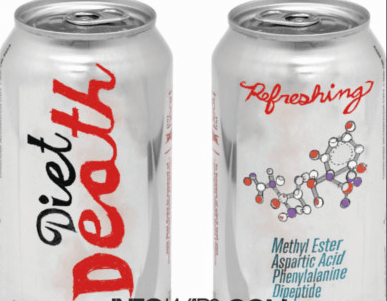
Diet soda and sweeteners alter gut bacteria, contributing to obesity? Not so fast.

Screen Shot at AM

A study in Nature and a host of derivative pieces across the Internet have created somewhat of a niche market for making it once again fashionable to avoid artificial sweeteners. The article claims that diet sodas may alter gut microbes in some people in a way that determines whether saccharin triggers glucose intolerance, which could increases the risk of metabolic diseases such as Type 2 diabetes.

While indeed it may be true that gut microbiota can be influenced and adapt to large doses of artificial sweeteners, this is unsurprising – and in fact to have suspected otherwise would be surprising. The gut microbiome rapidly adapts to changes in the human diet, whether it’s a change from drinking water to drinking soda (diet or sweetened with sugar), or a vegetarian switching to a meat-based diet (or vice versa); the adaptability of the gut microbiota is what ensures their successful survival and proliferation.

In fact, researchers determined that giving test subjects meat “rapidly and reproducibly alters the human gut microbiome.” So a study suggesting that high doses of artificial sweeteners wouldn’t have an impact on microbes shouldn’t be surprising. Part of the reason this becomes a significant result is that the measured scope of the study is so small (framed with such specificity): For example, using high-resolution analytical equipment on surface cells in the human tongue while test subjects were given glasses of ice water to drink would show that cell osmolality is dramatically altered, making the extracellular space necessarily hypotonic, which stresses the cells; in addition, the low-temperature water creates a significant cascade of cellular communication by cell-signaling done by certain proteins (such as cytokines), and depending on the integrity of certain cells across the tongue surface lamina, the exposure to the cold water may lead to their death.

The practical result of all this is that our tongue feels cold and our thirst is quenched. Which brings up the next important factor of interpreting scientific results: Just because it can be measured doesn’t mean that it matters. This becomes more-and-more true as our analytical equipment and technologies become ever more sensitive: We can now discriminate certain lab measurements to parts-per-trillion or parts-per-quadrillion. Just because there may be a detectable trace of something doesn’t mean that it’s at all important.

For example, the xx guidance for the ability to be branded ‘Gluten Free’ is 20 parts-per-million (ppm). While this is relatively low, it’s not zero. But it is low enough to prevent measurable immunogenic response in a vast majority of subjects. So for example, in a separate study, levels of HbA1C for very heavy users of artificial sweeteners were associated with very slight increases in HbA1C levels. Given the sample size used and the precision of the measurement, this ‘increase’ may be a spurious signal, and not actually be indicative of an actual change. And besides, is a change in HbA1C (especially a miniscule change) actually indicative of anything?

The Mayo Medical Laboratories have published a small analysis showing a correlation between HbA1C levels and estimated average glucose. However, the Mayo Clinic even mentions that there is a great deal of variance in the measurement (analytical issues), an ‘adequate cutoff’ [for determining significance] has not been determined, some conditions (uremia, transfusion, and anemia) can adversely affect it (and weren’t controlled for in the above study), and only a limited number of studies have been done on HbA1C. So the HbA1C measurement is not a validated or reliable measure to make any determinations from. Add to this that the causal factors for Type 1 and Type 2 diabetes are different, and the HbA1C correlation does not distinguish, making its power for interpolating differences even lower.

Most concerning and insidious of all is that between the unreliable HbA1C proxy for diabetes, an extraordinarily small sample size was used (seven participants). The participants were given the equivalent of about 10-12 packets of artificial sweetener and about half (four out of the seven) had changes in blood glucose. So-called ‘stable’ blood sugar levels can fall around 10-15% of baseline normally with no adverse factors occurring externally – so associating disturbances in blood sugar (in only a handful of subjects) with dosing of artificial sweetener is a stretch indeed, especially at this point. It’s much more likely to be systematic error from the analysis, and the authors trying to find patterns in their data where none exist.

Symptoms

Another interesting argument that’s always used by those opponents of artificial sweeteners (for example diet soda) is that they contribute to such problems as fibromyalgia, lupus, brain tumors, headaches and bloating as well as stomach upset. Of course the data tell a different story: A study published in the early 1990s which attempted to correlate artificial sweeteners (aspartame) with brain tumors (glioblastoma and others) is considered entirely erroneous.

Again it’s the problem of correlation not being the same thing as causality – and when this happens, it means there are unidentified, unmeasured variables in the mix. New York University professor Charles Seife published a paper showing that he could correlate brain tumors to United States government deficit spending. Interestingly, while rates of brain tumors ‘increased’ minimally in the population around the time that certain artificial sweeteners were being used, there was also a parallel increase in the number of MRI imaging machines put into service in hospitals and clinics. So it’s more likely that the increased findings of brain tumors were instead related to… the increased screening for brain tumors.

"Higher" rates of brain tumors over time
“Higher” rates of brain tumors over time

For example, if I plot seven participants, as in the sample size used in one of the diet soda studies, we may see a nice fit to the data pattern, as one I created here:Screen Shot 2014-09-22 at 10.19.16 AM

However, if I include a wider and more representative data set… The pattern disappears!Screen Shot 2014-09-22 at 10.19.35 AM

I’ve put a box around the original, very small, sample size (above) to show you that, in the context of a larger respondent pool, it’s not telling the full story, and the localized model that described the limited data before is now all but useless.

For example: in baseball statistics, if you see a pattern, look at a wider data set to see if that pattern still holds; There are many examples of batting averages of .500, .700, or even higher with very few at-bats – but that pattern never holds as the season wears on.

What does the clinic tell us about real life?

Also, in the world of clinical trials for new drug treatments, both the treatment groups and placebo groups are monitored for side effects – headaches and stomach upset are two of the most-frequently reported symptoms across all clinical trials in the treatment groups and the placebo groups. So people like to report headaches and stomach upset no matter the conditions, and those would be two of the most common psychosomatic effects.

The next big thing beginning to circulate in the nutrition industry is the acronym FODMAP: Fermentable Oligo-Di-Monosaccharides and Polyols. These are short-chain and simple sugars and sugar alcohols (such as sorbitol, xylitol, mannitol, etc. which you can find in, for example, sugar-free chewing gum). The theory goes that these FODMAPs are poorly digested and absorbed in the small intestine, and so some pass to the large intestine where they become fermented and can cause bloating and digestive discomfort. If you look at the list of FODMAP-containing food sources, it’s so broad as to be not realistic as a source of widespread issues. Even non-celiac gluten sensitivity may not exist, as discussed here. In this referenced study, a researcher rotated subjects through a variety of different diets and found “absolutely no specific response to gluten,” which included those subjects who reported ‘gluten sensitivity.’

Don’t claim to find patterns where none exist

There’s an old adage in medicine and healthcare which is appropriate here: When you hear hoofbeats, think ‘horses,’ not ‘zebras.’ There have been so many specific studies performed on artificial sweeteners of all kinds and classes, which had rigorous study designs, and have demonstrated robust safety profiles – like I mentioned above with the thought experiment of the ice water and the unprecedented measurement accuracy our laboratory devices can achieve now, just because we can detect changes at the sub-cellular level doesn’t mean that there is any macro-scale negative impact. The overwhelming factor in weight loss is the simple thermodynamic calculation of calories being consumed versus calories expended (by basal metabolic rate in addition to any activity or exercise).

Diet soda contains no calories so it’s not providing any effect to the left-side of the equation (the calories-in). As far as any changes in the microbiota are concerned: The microbiota changes with any changes to the diet, so again just because we can measure it, doesn’t necessarily mean there’s any overall effect. Similarly, there was a great deal of shock-media from a decade ago about potato chips generating acrylamide during the cooking process which could be carcinogenic – we can try to impute any number of irrelevant risks into as many facets of our life as we choose; But we’d be much better off as a society to deal with our biggest real risks such as by being attentive and wearing seatbelts while driving, exercising for cardiovascular benefits, and vaccinating children.

Ben Locwin, PhD, MBA is a contributor to the Genetic Literacy Project and is an author of a wide variety of scientific articles for books and magazines. He is also a researcher and consultant for a variety of industries including behavioral and psychological, food and nutrition, pharmaceutical, and academic. Follow him at @BenLocwin.

7 ways biotech crops fail in feeding the world

argentinasoy

Many in the biotechnology industry seem to believe there’s a simple solution to the global food crisis: genetically modified (GM or biotech) crops. Biotech multinationals have been in media blitz mode ever since the food crisis first made headlines, touting miracle crops that will purportedly increase yields, tolerate drought, and cure all manner of ills.

Not everyone is convinced. The UN and World Bank recently completed an unprecedentedly broad scientific assessment of world agriculture, the International Assessment of Agricultural Knowledge, Science and Technology for Development, which concluded that biotech crops have very little potential to alleviate poverty and hunger. This four-year effort, which engaged some 400 experts from multiple disciplines, originally included industry representatives. Just three months before the final report was released, however, agrichemical seed giants Monsanto, Syngenta and BASF pulled out of the process, miffed by the poor marks given their favorite technology. This withdrawal upset even the industry-friendly journal Nature, which chided the companies in an editorial entitled “Deserting the Hungry?”

Bill Freese with the activist NGO Center for Food Safety outlines seven reasons why he believes GMOs fall short of their promise.

  1. They encourage large scale monocultures, tip power away from small scale producers, increasing poverty and hunger
  2. The traits with the most promise have failed to materialize
  3. The traits in use have led to increased herbicide use and resistance
  4. The yield drag of GE crops cancels out much of their benefits
  5. Private seed development by biotech companies crowds out investment in public breeding programs
  6. Few seed choices, higher seed prices
  7. Hi-tech resource intensive farming crowds out lo-tech, low income solutions

Read the full, original article: Why GM crops will not feed the world