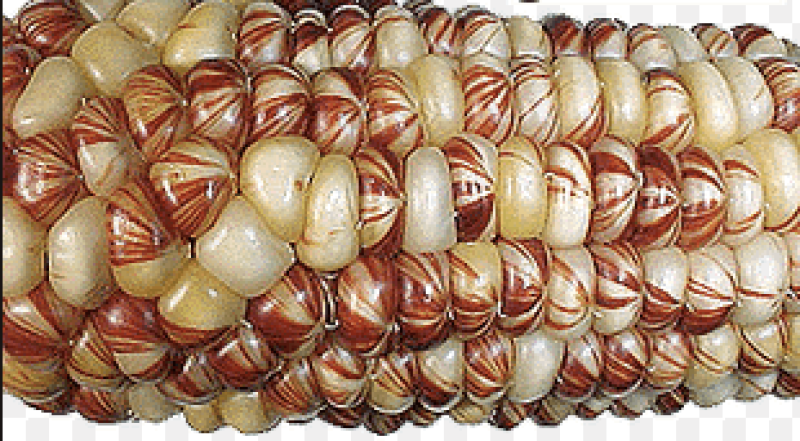
Along with the genes nestled into our genomes comes a lot of extra information. Some of it is completely extraneous. Some of it regulates the genes that code for proteins. And some of it does something sort of in-between.
Retrotransposons, also known as jumping genes, are sections of DNA that can insert and rapidly multiply themselves in various spots on the genome. Scientists theorize that this mechanism is a fast track for introducing mutations into our genomes.
Transpositions can cause chromosomal translocations that can lead to gene duplication. Under conditions where there are two copies of the same gene in an organism, the two copies can undergo evolution at different rates.In such a case,one copy can further mutate to yield a gene product with a different function that is beneficial to the organism without losing the function of the other gene copy. But transposons can be disruptive where they land, Ed Yong explains at National Geographic:
If the copies land in the right place, they could act as clay for building new adaptations. If they land in the wrong place, which is perhaps more likely, they could cause diseases by disrupting important genes. So genomes have ways of keeping these wandering sequences under control.
To ameliorate the effects, primates in particular seem to have developed coping mechanisms. We have genes that produce proteins that can identify these jumping DNA strands, bind them and essentially hold them down so they can’t insert themselves. In this way, our genome is simultaneously pushing for mutation and fighting against it.
In fact, our bodies protective mechanisms may make tame transposons. The human genome is 40% made up of them, but most have become innocuous, entirely losing their jumping potential. But new ones keep cropping up, and primates especially seem to be developing new blocking-genes that match specific transposons to compensate. A team of scientists at University of California, Santa Cruz recently showed that each of these genes, called KZNFs, match a specific transposon:





These results suggest that ape KZNFs have rapidly evolved to keep jumping genes in check. Indeed, the KZNFs are one of the fastest growing families of primate genes. We have around 400 of them, and some 170 of these are primate-only innovations. This expanded police force reflects our ongoing genomic arms race.
But, the researchers note, the transposons themselves are mutating past the capability of these KZNF genes, pushing the envelope to thwart their binding sites. But the process isn’t a stalemate, Yong writes:
The team found that KZNFs partly suppress the genes around a retrotransposon too. This is important because it seriously affects the activity of many human genes, beyond retrotransposons. It means that KZNFs can eventually be used to control the activity of genes that jumping genes land next to. This arms race could have given rise to more complicated networks of genes, and perhaps more complicated bodies or behaviours.
Meredith Knight is editor of the human genetics section for Genetic Literacy Project and a freelance science and health writer in Austin, Texas. Follow her @meremereknight.
Additional Resources:
- The jumping gene: Friend or foe?, National Geographic
- ‘Jumping genes’ may explain why coffee bean boring beetles are so destructive, International Science Times
- Mobile chunks of DNA important for recent human evolution, Medical Xpress