UN human rights official worries about ‘corporate control’ of food

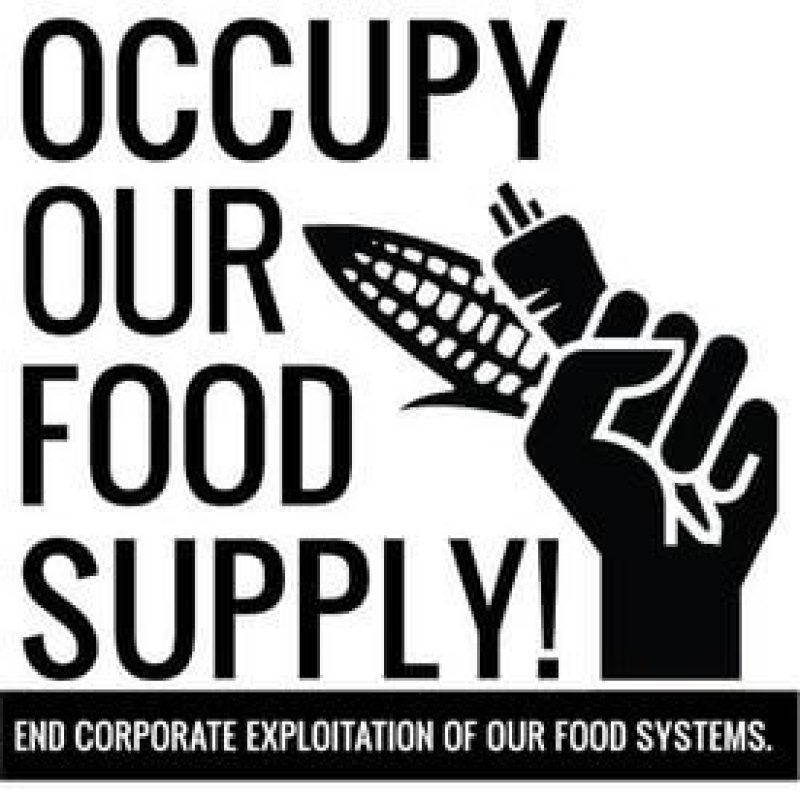
occupyourfoodsupply large

A United Nations (UN) representative undertaking a weeklong visit to the Philippines expressed her opposition to the use of Genetically Modified Organisms (GMOs) as she concluded her mission to evaluate the country’s food problems.

At a news conference in Makati, UN Special Rapporteur on the Right to Food Hilal Elver said a number of questions remain unanswered about the GMO approach, including long-term health effects and the business models practiced by multinational seed companies.

“GMOs are a huge thing and there is a huge discussion on it. I am against GMOs for several reasons… We don’t know the health impacts of GMO in the long term,” Ms. Elver told reporters.

She added that the aggressive defense of seed patents by multinationals has led to small farmers being accused of infringing on their intellectual property.

“They take away the farmers’ seeds from them and the corporations make a business from it,” she said.

For these reasons, “the use of GMOs should be carefully studied, and, I’m not sure if it should be accepted,” she said.

The UN representative, who is part of the largest body of independent experts in the UN Human Rights system, launched her visit on Feb. 20. The final report of her findings, Ms. Elver said, will be sent to the UN Human Rights Council in March 2016.

Read full, original article: UN official says questions remain on GMO health impact, business practices


{{ reviewsTotal }}{{ options.labels.singularReviewCountLabel }}
{{ reviewsTotal }}{{ options.labels.pluralReviewCountLabel }}
{{ options.labels.noReviewsLabel }}
{{ options.labels.newReviewButton }}
{{ userData.canReview.message }}

Related Articles

Infographic: Global regulatory and health research agencies on whether glyphosate causes cancer

Infographic: Global regulatory and health research agencies on whether glyphosate causes cancer

Does glyphosate—the world's most heavily-used herbicide—pose serious harm to humans? Is it carcinogenic? Those issues are of both legal and ...

Most Popular

Screenshot-2026-07-09-at-1.09.25-PM
Anti-vaccine myths rattle health care
ChatGPT-Image-Mar-10-2026-01_39_01-PM
Viewpoint—“Miracle molecule” debunked: Why acemannan supplements don’t work
Picture1
Hiroshima at 81: America’s new nuclear bomb, a buried Iranian target, and a question no one wants to ask
ChatGPT-Image-Jul-10-2026-12_21_03-PM
Viewpoint: Is there new evidence that the animal deworming drug ivermectin decreases the risk of Covid and cancer? Don’t waste your money.
ChatGPT-Image-Jun-25-2026-12_23_17-PM
No, Bill Gates did not secretly engineer ticks to promote veganism
leeteam
How Kennedy and his family could pocket millions from Merck’s $50 million vaccine injury settlement that he oversaw
Screenshot-2026-07-30-at-3.07.42-PM
Controversy over WNBA star Sophie Cunningham’s comment opposing trans females in women’s sports reinvigorates the culture wars
ChatGPT Image Jul 29, 2026, 05_50_04 PM
Fear, science, and the law: If talc powder is unlikely to cause cancer and J&J was winning in court, why did it pay more than $5.5 billion to settle?

Sorry. No data so far.

glp menu logo outlined

Get news on human & agricultural genetics and biotechnology delivered to your inbox.