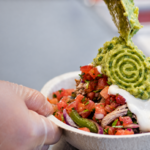
Panera creates ‘no-no’ ingredient list in response to consumer demand

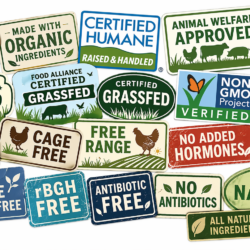
In doing so, Panera Bread will join the growing ranks of food companies and restaurants that have announced plans to eliminate a variety of artificial preservatives, flavors and colors, as well as different kinds of sweeteners and meat from animals raised with antibiotics, in response to consumer demands for transparency and simplicity in the foods they eat.

“We’re trying to draw a line in the sand in the industry so that consumers have an easy way to know what’s in the food they buy,” said Ron Shaich, chief executive of Panera.

In the last six months, at least a dozen food companies and restaurant businesses have announced plans to reformulate products to eliminate ingredients.

While most of the companies have been careful to say they are merely responding to consumer demands, not making a value judgment on such ingredients, they often face heavy criticism. Chipotle Mexican Grill’s announcement that it had eliminated genetically modified ingredients from the foods it makes — though, like Panera, not from the sodas it sells — evoked a torrent of outraged responses.

Shaich said Panera’s decision to come up with what it calls “The No No List” had more to do with protecting the sales it has.

“I’m not a scientist and I’m not wading into the debate over whether any of these things cause cancer or are otherwise bad for you,” he said. “I just think this is where the consumer’s head is right now.”

The GLP aggregated and excerpted this blog/article to reflect the diversity of news, opinion and analysis. Read full, original post: Panera Bread Plans to Drop a Long List of Ingredients

{{ reviewsTotal }}{{ options.labels.singularReviewCountLabel }}
{{ reviewsTotal }}{{ options.labels.pluralReviewCountLabel }}
{{ options.labels.newReviewButton }}
{{ userData.canReview.message }}

Related Articles

Infographic: Global regulatory and health research agencies on whether glyphosate causes cancer

Infographic: Global regulatory and health research agencies on whether glyphosate causes cancer

Does glyphosate—the world's most heavily-used herbicide—pose serious harm to humans? Is it carcinogenic? Those issues are of both legal and ...

Most Popular

Picture1
The FDA couldn’t find a vaccine safety crisis, so it buried its own research
Screenshot-2026-04-22-at-12.21.32-PM
Viewpoint: Why the retracted Monsanto glyphosate study doesn’t change the science—the world’s most popular herbicide is safe 
ChatGPT-Image-May-7-2026-12_32_36-PM
Viewpoint: The state of U.S. vaccine policy? Dismal nationally, but some states are stepping up.
placebo
Viewpoint — Alternative medicine and the placebo effect: Selling a reassuring illusion of health
_20250221_nib_rfk_trump
Viewpoint: 'Crisis of public trust': Autism support community shocked RFK continues to peddle false claims about the danger of vaccines
ChatGPT-Image-May-18-2026-01_45_05-PM-2
Newest hantavirus conspiracy: Online disinformation turns outbreak into latest ivermectin grift
ChatGPT-Image-May-18-2026-12_06_18-PM-2
Defying death: The immortality movement goes mainstream
Screenshot-2026-04-13-at-1.39.26-PM
Viewpoint: ‘Safer for children?’ Stonyfield yogurt under fire for deceptive organic marketing
Screenshot-2026-04-22-at-10.46.29-AM
Viewpoint: How to counter science disinformation? Science journalist offers 12 practical tips
Defense_Secretary_Ash_Carter_tours_the_Microsoft_Cybercrime_Center_in_Seattle_March_3_2016
How criminals are using AI to target social media users and steal their money and confidential data
glp menu logo outlined

Get news on human & agricultural genetics and biotechnology delivered to your inbox.