The GLP aggregated and excerpted this blog/article to reflect the diversity of news, opinion and analysis.
Overwhelming evidence now suggests that numerous wild and managed bee populations are in decline, likely because of multiple simultaneous pressures including invasive parasites, changes to climate, and changing land use.
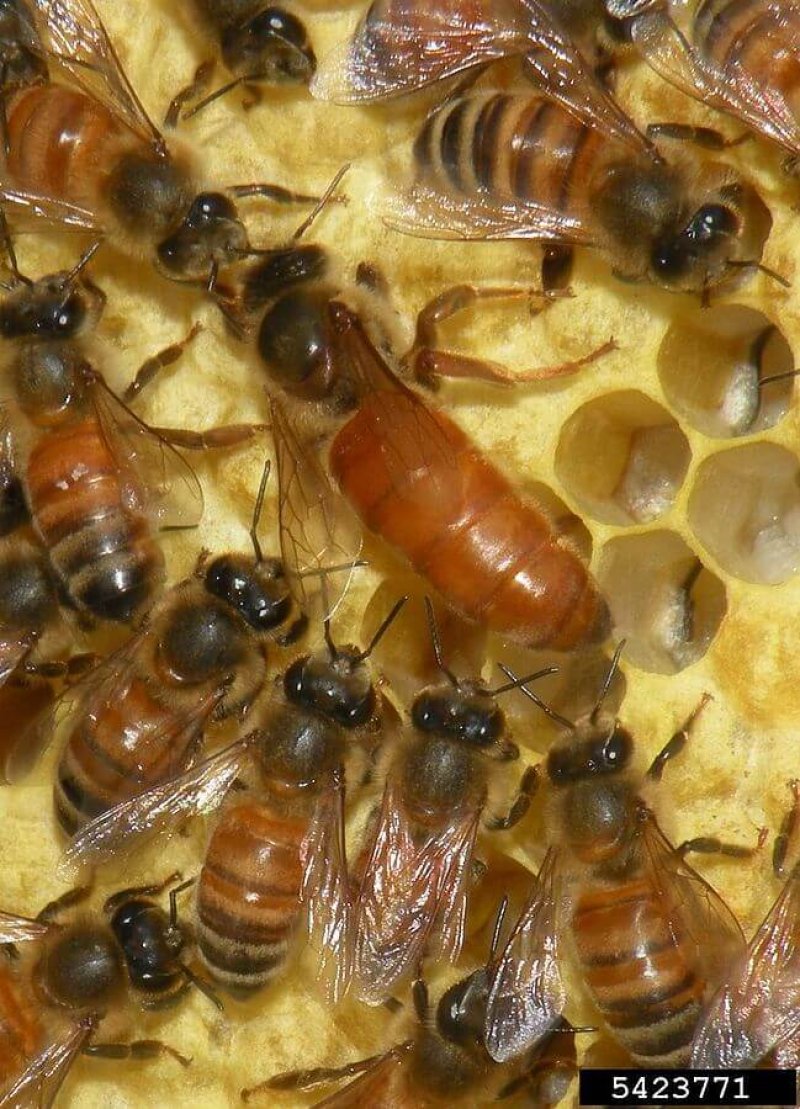
Queen health is crucial to colony survival of social bees. Recently, queen failure has been proposed to be a major driver of managed honey bee colony losses, yet few data exist concerning effects of environmental stressors on queens.
Here we demonstrate for the first time that exposure to field-realistic concentrations of the neonicotinoid pesticides, thiamethoxam and clothiandin, during development can severely affect queens of western honey bees (Apis mellifera).

Increased rates of honey bee queen failure have been reported in recent years. Even within our abbreviated observation interval, we observed significant effects of neonicotinoids on honey bee queen anatomy and physiology, but not behaviour that resulted in reduced success (i.e. dead queens or living ones not producing worker offspring). Additionally, we found no significant effect on queen rearing success (proportion of emerged queens) between the treatments, suggesting that there were no lethal effects of pesticide during this stage of queen development.
This study highlights the detriments of neonicotinoids to queens of environmentally and economically important social bees, and further strengthens the need for stringent risk assessments to safeguard biodiversity and ecosystem services that are vulnerable to these substances.
Read full, original open access article: Neonicotinoid pesticides severely affect honey bee queens