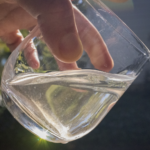
A Stanford-designed project has built a startling new tool for diagnostic medicine: living biosensors made of bacteria that glow a particular color when they detect trouble.
The team rewired the genetic circuitry inside bacterial cells so that the cells recognized abnormal glucose levels in urine, signaling diabetes.
The custom-designed bacteria show the practical promise of the fledgling field of synthetic biology, which designs and builds organisms unlike anything made by Mother Nature.
“We are showing that we can begin to use engineering tools to systematically program cells for use as human medical diagnostics,” said Drew Endy of Stanford’s School of Engineering, where the project had its start before moving with its lead investigator Jerome Bonnet to France’s Institut de Génétique Moléculaire de Montpellier.
The cells, tested in patients’ urine samples, performed almost as well as the conventional diabetes dipstick, Bonnet reported.




“It is a very exciting initial foray into this fairly novel field. There is a need for better faster diagnosis of metabolic perturbations in people with diabetes,” said Dr. Samuel Dagogo-Jack, president of medicine and science for the American Diabetes Association.
This approach could aid earlier detection of upward or downward swings of blood glucose levels, said Dagogo-Jack. It could also help identify subtle signs of complications of the disease.
The GLP aggregated and excerpted this blog/article to reflect the diversity of news, opinion and analysis. Read full, original post: Synthetic biology: Engineered cells detect diabetes and cancer