High tech agriculture and Big Data could yield farm bonanza

The GLP aggregated and excerpted this blog/article to reflect the diversity of news, opinion and analysis. 

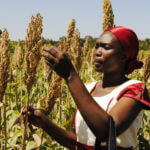
In the second millennium, we are challenged in new ways to increase productivity while minimizing inputs, managing costs and respecting the environment. Arable land and water are in short supply. Climate change is having a big impact on crop variability and yield. The global food system will need to be capable of producing food for a projected 9 billion people by 2050. 

The arrival of big data sensing, collecting, processing and storage systems is meeting robots, drones and other hardware is beginning to promise big returns on the same amount of soil.

Amir Nashat, and Polaris Ventures in Waltham, MA have been active with AgBiome, a company that uses microbes to increase crop productivity. He is not only intent on microbiomes, he also is watching over development of new systems for managing drought and other extreme weather conditions.
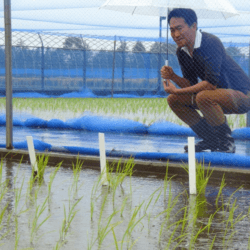

Joining Nashat is another agtech entrepreneur, Tom Laurita, president and CEO of NewLeaf Symbiotics. Laurita works from below, with plant bacteria to improve seed productivity.

Now more than ever, scientists, engineers, farmers and environmentalists need to close ranks to take a serious look at how to address the production end of our food system with new and integrated knowledge.

Read full, original post: The State Of Agtech

{{ reviewsTotal }}{{ options.labels.singularReviewCountLabel }}
{{ reviewsTotal }}{{ options.labels.pluralReviewCountLabel }}
{{ options.labels.newReviewButton }}
{{ userData.canReview.message }}

Related Articles

Infographic: Global regulatory and health research agencies on whether glyphosate causes cancer

Infographic: Global regulatory and health research agencies on whether glyphosate causes cancer

Does glyphosate—the world's most heavily-used herbicide—pose serious harm to humans? Is it carcinogenic? Those issues are of both legal and ...

Most Popular

Screenshot-2026-05-01-at-1.29.41-PM
Viewpoint: What happens when whole grains meet modern food manufacturing? Labels don’t tell the whole story.
S
As vaccine rejectionism spreads, measles may be taking a more dangerous turn
ChatGPT-Image-Apr-13-2026-02_20_22-PM
Viewpoint: Misinformation infodemic? Why assessing evidence is so challenging 
Screenshot-2026-04-20-at-2.26.27-PM
Viewpoint — Food-fear world: The latest activist scientists campaign: Cancer-causing additives
ChatGPT-Image-Mar-27-2026-11_47_30-AM-2
FDA’s expedited drug reviews are hailed in some quarters but other approval practices are problematic
Screenshot-2026-03-13-at-12.14.04-PM
The FDA wants to make many popular prescription drugs OTC—a great idea. Here’s why it’s unlikely to happen
bigstock opioids on chalkboard with rol
GLP podcast: 'Safe injection sites': enabling drug addiction or saving lives?
circular-bioeconomy-should-focus-on-sustainable-wellbeing
GLP podcast: What's wrong with 'doomsday' environmentalism? It's false.
Farmers can talk to plants
Farmers are a major source of misinformation—about farming

Sorry. No data so far.

glp menu logo outlined

Get news on human & agricultural genetics and biotechnology delivered to your inbox.