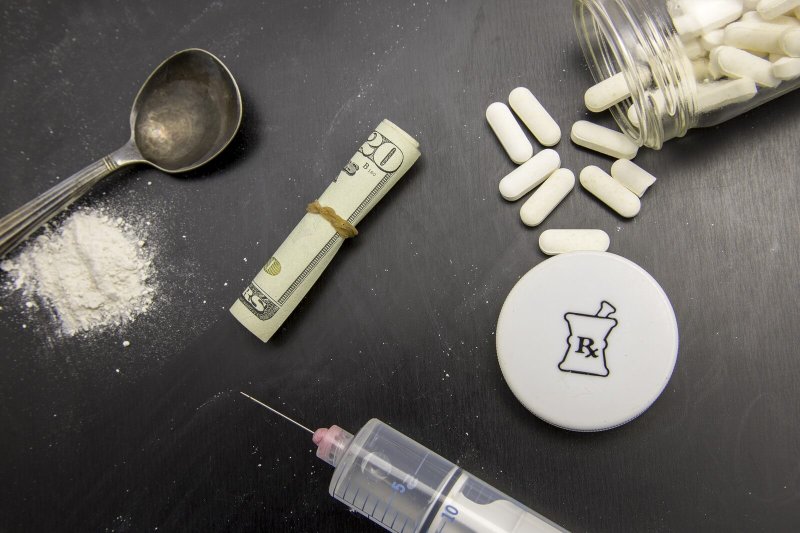
With illicit opioids still killing thousands of Americans each year, some public health advocates are pushing a radical solution to blunt the overdose crisis: safe injection sites. Also known as supervised consumption facilities, these sites allow users to bring their own drugs to consume in a clean, monitored space staffed by medical professionals equipped to reverse overdoses. The sites aim to cut needle-sharing that spreads HIV and hepatitis C, reduce discarded syringes and serve as entry points to counseling and recovery services.
Critics argue the label “safe” is misleading, in part because the facilities normalize illegal drug use instead of confronting addiction. They point to low treatment-referral rates in some studies, which undermine a key justification for safe injection sites, and question whether the facilities reduce overall community overdose deaths. They also highlight studies reporting increases in neighborhood disorder and crime.
In the U.S., federal statutes and local opposition have blocked or delayed many proposals, with skeptics insisting taxpayer resources would be better spent expanding evidence-based treatment, prevention and supply-side enforcement rather than government-sanctioned drug consumption.
Meanwhile, supporters cite data from individual facilities in Canada and Europe, where research shows zero deaths inside facilities and measurable drops in local disease transmission. While some advocates acknowledge the evidence for safe injection sites is preliminary and inconclusive, they contend this uncertainty should drive governments to adequately fund pilot programs and research the efficacy of this controversial harm-reduction technique.
The debate pits compassion against accountability, leaving policymakers and voters divided on whether these sites are worth the risk they may pose to the communities where they’re established.
Join Dr. Liza Lockwood and Cam English on this episode of Facts & Fallacies as they dissect the science surrounding the safe injection debate.





Podcast: Play in new window | Download
Subscribe: RSS
Dr. Liza Lockwood is a medical toxicologist and the medical affairs lead at Bayer Crop Science. Follow her on X @DrLizaMD
Cameron J. English is the executive vice president at the American Council on Science and Health. Follow him on X @camjenglish