Researchers now believe ‘bees addicted to neonics’ study was wrong

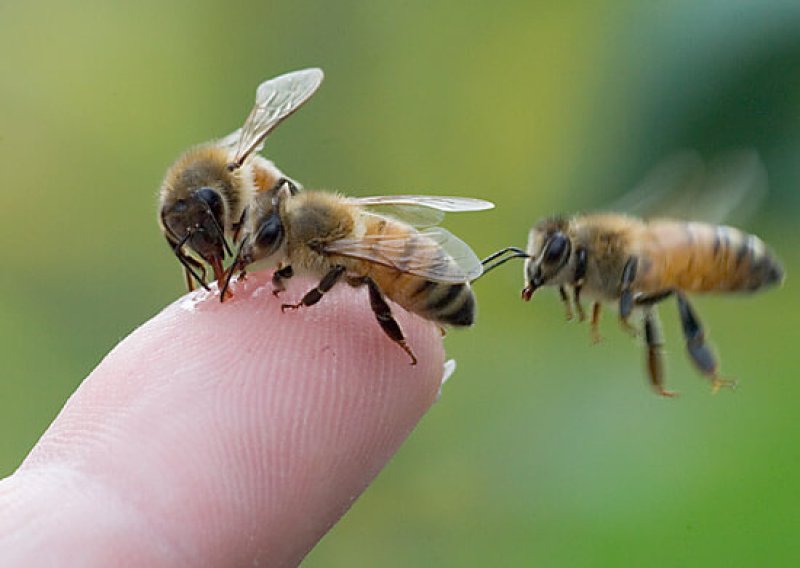
three bees finger

The GLP aggregated and excerpted this blog/article to reflect the diversity of news, opinion and analysis.

What does the media do when honest researchers realize their attention-getting findings were simply wrong? Apparently, nothing.

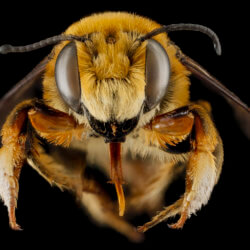
Back in April, a provocative press release about a paper by researchers at Newcastle University and Trinity College Dublin suggested bees are ‘hooked’ on nectar containing pesticides, in the same way that a meth addict is hooked on stimulants.

They concluded that bees simply couldn’t resist neonicotinoids.

CBS News called these findings “surprising.” Dave Goulson, a bee expert at Sussex University told The Guardian that, “At this point in time it is no longer credible to argue that agricultural use of neonicotinoids does not harm wild bees.”

Outright activist groups, of course, went wild with the usual calls for pesticide bans.

But, it turns out none of this hype was ever true.

No less an authority than Professor Wright, the lead author, conceded in a follow-up study just a few months later that the claims that inspired all of the banner headlines were bogus.

Her team re-ran the tests and came to an entirely different conclusion. “Contrary to our predictions,” she wrote, “we found that none of the solutions enhanced the rate of olfactory learning and some of them impaired it.”

It says a lot about the current state of our media that the retraction of such a high-profile scientific claim never receives anywhere near the same coverage as the original outlandish assertion.

So thousands of people who heard the original headline probably still think bees are addicted to neonics, which is how confirmation bias plays right into the hands of activists with an agenda.

Read full, original post: Bees Addicted To Neonics: A Failure Of Science Journalism

Related Articles

Infographic: Global regulatory and health research agencies on whether glyphosate causes cancer

Infographic: Global regulatory and health research agencies on whether glyphosate causes cancer

Does glyphosate—the world's most heavily-used herbicide—pose serious harm to humans? Is it carcinogenic? Those issues are of both legal and ...

Most Popular

Picture1
Hiroshima at 81: America’s new nuclear bomb, a buried Iranian target, and a question no one wants to ask
ChatGPT-Image-Jul-31-2026-07_35_35-AM
Wikipedia has assembled an informative list of fake news websites from across the ideological spectrum
ChatGPT Image Jul 29, 2026, 09_08_15 AM 2
The retreat of environmental extremism: Why activist NGOs are losing favor
ChatGPT Image Jul 29, 2026, 10_17_59 AM
Viewpoint: What does it mean when critics of conventional agriculture say many fruits and vegetables are “linked” to pesticide poisoning?
ChatGPT Image Jul 31, 2026, 08_05_37 AM
With trust in RFK, Jr.'s CDC vaccine advice collapsing, physicians scramble to fill the information gap
Screenshot-2026-07-31-at-9.37.42-AM
Obsessing about ultra-processed foods but ignoring what matters far more: A balanced diet
ChatGPT-Image-Mar-10-2026-01_39_01-PM
Viewpoint—“Miracle molecule” debunked: Why acemannan supplements don’t work
Screenshot-2026-07-31-at-10.10.55-AM
Viewpoint: ‘Misinformation' about the effects of offshore wind turbines on marine life could derail offshore wind farm projects 
ChatGPT Image Jul 29, 2026, 06_26_01 PM 2
Facts & Fallacies podcast: Organic food myths make a comeback on Instagram, with Dr. Kevin Folta
leeteam
How Kennedy and his family could pocket millions from Merck’s $50 million vaccine injury settlement that he oversaw
Screenshot-2026-08-03-at-2.15.16-PM
Viewpoint: Trump’s relaxed controls on supplying China with microchips could undermine U.S. AI dominance
Screenshot-2026-07-30-at-3.07.42-PM
Controversy over WNBA star Sophie Cunningham’s comment opposing trans females in women’s sports reinvigorates the culture wars
ChatGPT-Image-Jul-10-2026-12_21_03-PM
Viewpoint: Is there new evidence that the animal deworming drug ivermectin decreases the risk of Covid and cancer? Don’t waste your money.
glp menu logo outlined

Get news on human & agricultural genetics and biotechnology delivered to your inbox.