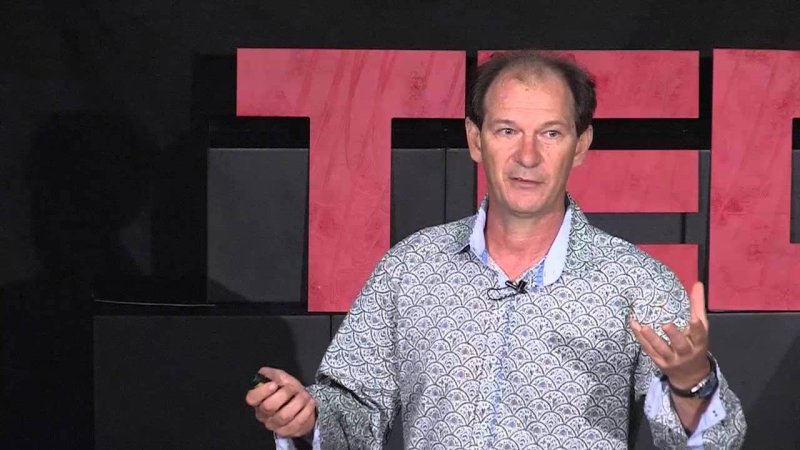
How neuroscientists explore what goes on in minds of babies

maxresdefault
Corn is spread out to dry after harvest in Khok Dach, Cambodia

The GLP aggregated and excerpted this blog/article to reflect the diversity of news, opinion and analysis. 

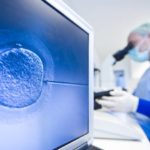
How do you get into the mind of a human being who cannot speak, does not follow instructions and rudely interrupts your experiments? That is the challenge embraced by scientists at the Babylab at Birkbeck, University of London. The brain undergoes more change during the first two years of life than at any other time: consciousness, traits of personality, temperament and ability all become apparent, as do the first signs that development could be drifting off course. But this period is also the most difficult to explore, because many of the standard tools of human neuroscience are useless: babies will not lie awake and still in an imaging machine, and they cannot answer questions or do as they are told. Researchers have measured infants’ interest and attention mostly by tracking their gaze — but even this method has been criticized as crude.

The field is now becoming more sophisticated, thanks in part to the Birkbeck lab. Scientists there have pioneered techniques such as infant near-infrared spectrometry (NIRS), which measures brain activity by recording the colour, and therefore the oxygenation, of blood. They are also trying to strengthen conclusions by combining multiple techniques. Among the handful of baby labs around the world, this makes the London one stand out. “They are doing research on babies using every single technique you could imagine,” says Richard Aslin, an infant-behaviour researcher and director of the Rochester Center for Brain Imaging in New York.

Read full, original post: The big baby experiment

{{ reviewsTotal }}{{ options.labels.singularReviewCountLabel }}
{{ reviewsTotal }}{{ options.labels.pluralReviewCountLabel }}
{{ options.labels.noReviewsLabel }}
{{ options.labels.newReviewButton }}
{{ userData.canReview.message }}

Related Articles

Infographic: Global regulatory and health research agencies on whether glyphosate causes cancer

Infographic: Global regulatory and health research agencies on whether glyphosate causes cancer

Does glyphosate—the world's most heavily-used herbicide—pose serious harm to humans? Is it carcinogenic? Those issues are of both legal and ...

Most Popular

ChatGPT-Image-Jul-26-2026-05_58_17-PM
Louisiana and Texas bring RFK,Jr.- MAHA-backed restrictions on dyes and other ‘controversial’ ingredients to eight states
ChatGPT-Image-Mar-10-2026-01_39_01-PM
Viewpoint—“Miracle molecule” debunked: Why acemannan supplements don’t work
ChatGPT-Image-Jul-26-2026-05_35_53-PM
FDA takes up peptide therapies as hype outpaces science
organic scaled
Facts & Fallacies podcast: Organic food cuts pesticide exposure? A response to Dr. Rhonda Patrick
ChatGPT-Image-Jul-22-2026-09_13_07-AM
Viewpoint—The Strategic Litigation boom: Understanding the tightening coalition among NGOs, foundations, journalists, and tort lawyers
ChatGPT-Image-Jul-9-2026-11_33_49-AM
Viewpoint: High-dose resveratrol supplements to extend health and life? Don’t waste your money.
ChatGPT-Image-Jul-10-2026-09_42_12-AM-1
Peptides, patient autonomy, and the limits of medical freedom
Screenshot-2026-07-23-at-11.58.47-AM
Viewpoint: ‘Thought police in the UK?’ Conservatives lash out at government report calling anti-LGBQT+ narratives ‘false and misleading’
IVF Rex
Poll: Younger people more open to using genetics to increase fertility and reduce chances of inherited diseases 
How to Include More Strawberries in Your Diet
Strawberries are berries—and 35 other surprising food and drink myths
Screenshot-2026-07-07-at-12.55.44-PM
Viewpoint: Yes, we can adapt to a changing climate without devastating the environment and the economy
ChatGPT-Image-Jun-25-2026-12_23_17-PM
No, Bill Gates did not secretly engineer ticks to promote veganism
ChatGPT-Image-May-22-2026-10_26_09-AM
Trump-RFK, Jr. National Science Board firings: Accountability vs. partisan meddling
glp menu logo outlined

Get news on human & agricultural genetics and biotechnology delivered to your inbox.