The GLP aggregated and excerpted this blog/article to reflect the diversity of news, opinion and analysis.
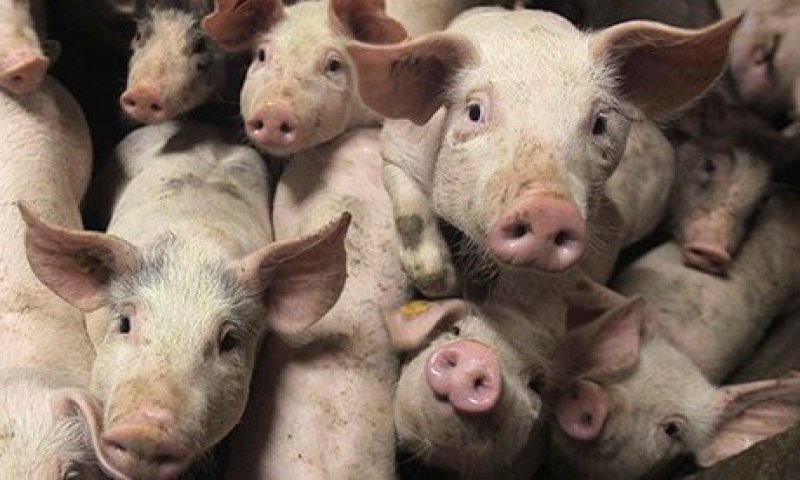
Tucked away in a University of Missouri research building, a family of pigs is kept upright and mostly happy by a handful of researchers. Two new litters recently joined the assembly of pudgy, snorting, pink piglets.
While they look like an ordinary collection of pigs one might find in hog barns all over the country, these animals are special. They’re genetically engineered and they are part of a new crop of GE animals with technology that could be coming soon to the food on your dinner plate.
A team of researchers from the University of Missouri and Kansas State University developed the pigs, a new breed that is resistant to an incurable disease that plagues hogs barns. Porcine Reproductive and Respiratory Syndrome (PRSS) can spread rapidly through swine populations and often forces hog farmers to euthanize whole barns at a time.

The scientists say they hope hogs produced with the gene editing technology will be on U.S. dinner tables in a matter of years. That hope rests on garnering approval for the biotech pigs from the U.S. Food and Drug Administration, which won’t be an easy task….
Scientists have developed genetically engineered livestock in the past and there are other genetically engineered animals in the works, from hornless cattle to hypoallergenic cows. None have yet made it to stores, largely because of the novelty of the underlying technology, which is expensive and un-tested by regulators and consumers alike.
Read full, original post: Genetically engineered animals could be coming to a plate near you