Agricultural Secretary Vilsack: Up to Congress to resolve GMO labeling

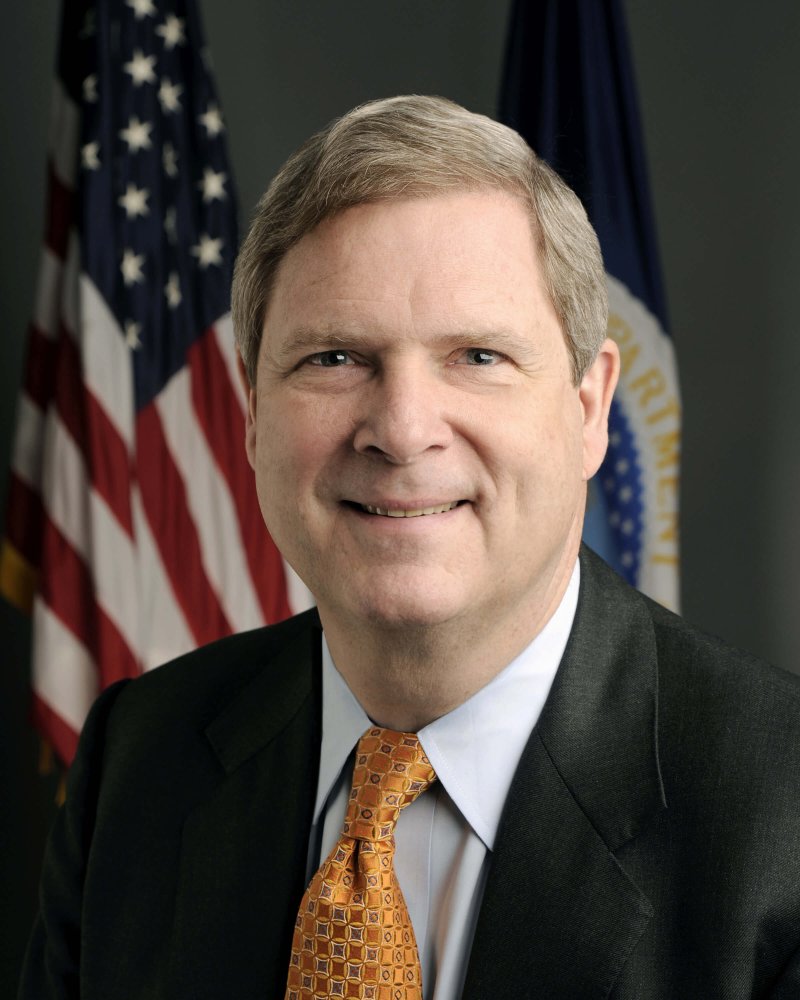
Tom Vilsack official USDA photo portrait

The GLP aggregated and excerpted this blog/article to reflect the diversity of news, opinion and analysis.

The biotech labeling negotiations led by Agriculture Secretary Tom Vilsack broke down over whether GMOs had to be disclosed on food labels or whether it would be enough to ensure that electronic disclosure would be adequate to serve consumers, he says.

Vilsack, testifying before the House Agriculture Appropriations Subcommittee on February 11, made his first public comments about two days of meetings last month. . .

. . . .

The Grocery Manufacturers Association is lobbying Congress to preempt state GMO labeling laws and to allow food companies to disclose biotech ingredients on the web and through smartphone-based system called SmartLabel.

The talks never resolved what else might be required, Vilsack said.

. . . .

“I think that’s kind of where our conversation broke apart. It’s something that Congress  is going to have to address.”

The House passed a bill last summer that would have blocked [state labeling laws], but the industry has so far been unable to find enough Democratic support to move similar legislation in the Senate.

Senate Agriculture Chairman Pat Roberts, R-Kansas, has been preparing to release a bill to increase pressure on uncommitted Democrats. “Stay tuned,” he said Febrary 11, when asked when it would be introduced.

. . . .

The chairman of the House subcommittee, Robert Aderholt, R-Ala., told Vilsack that his department needs to step up its public education efforts to assure consumers of the safety of genetically engineered crops.

Vilsack said the industry needed to do more on its own and that he expected a more “aggressive effort from this point forward.”

Read full, original post: Vilsack: Congress must resolve GMO labeling dispute

{{ reviewsTotal }}{{ options.labels.singularReviewCountLabel }}
{{ reviewsTotal }}{{ options.labels.pluralReviewCountLabel }}
{{ options.labels.newReviewButton }}
{{ userData.canReview.message }}

Related Articles

Infographic: Global regulatory and health research agencies on whether glyphosate causes cancer

Infographic: Global regulatory and health research agencies on whether glyphosate causes cancer

Does glyphosate—the world's most heavily-used herbicide—pose serious harm to humans? Is it carcinogenic? Those issues are of both legal and ...

Most Popular

Screenshot-2026-05-01-at-1.29.41-PM
Viewpoint: What happens when whole grains meet modern food manufacturing? Labels don’t tell the whole story.
S
As vaccine rejectionism spreads, measles may be taking a more dangerous turn
Screenshot 2026-05-06 at 2.56
Singularity crisis ahead? Can super babies save us from rogue AI geniuses?
Screenshot-2026-05-06-at-2.07.43-PM
Manufacturing a conspiracy: The timeline of how  the White House embraced the fringe claim that scientists are being mysteriously murdered
Screenshot-2026-04-20-at-2.26.27-PM
Viewpoint — Food-fear world: The latest activist scientists campaign: Cancer-causing additives
Screenshot-2026-03-13-at-12.14.04-PM
The FDA wants to make many popular prescription drugs OTC—a great idea. Here’s why it’s unlikely to happen
Screenshot-2026-04-30-at-2.19.37-PM
5 myths about summer dehydration that could damage your health — or even kill you
ChatGPT-Image-May-6-2026-03_41_05-PM
‘Protecting the integrity of science’: Kennedy’s FDA blocks release of taxpayer-funded studies finding COVID and shingles vaccines safe
Screenshot-2026-05-01-at-11.56.24-AM
‘Science moves forward when people are willing to think differently’: Memories of DNA maverick Craig Venter
Screenshot 2026-05-06 at 12.49
Immortal dragons: The quest to ‘make death optional’
glp menu logo outlined

Get news on human & agricultural genetics and biotechnology delivered to your inbox.