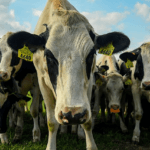
Could adoption of GMO cotton revive textile industry in Nigeria?

The GLP aggregated and excerpted this blog/article to reflect the diversity of news, opinion and analysis.

The Raw Materials Research and Development Council (RMRDC) has joined a league of other GMO advocates to support the production of genetically modified, also known as Bt Cotton in Nigeria.

In a letter to the Country Representative of Monsanto. . . signed by the Director General of the Council, Dr. Hussaini Ibrahim stated that it was concerned with the current dwindling status of cotton production in Nigeria.

RMRDC, which is an agency under the Federal Ministry of Science and Technology, noted that the textile sector had stabilized Nigeria’s economy when it was in full operation in the 1980s.

. . . .

RMRDC further observed that over the years, the textile industry had experienced near collapse . . . as a result of non availability of seed cotton; low capacity utilisation in ginneries below 30 percent and collapsed local weaving industries.”

The Council stated that Bt Cotton is a transgenic plant that is incorporated with the Lepidopteran specific Bt gene(s) which control bollworm that belongs to the insect order, Lepidoptera.

According to it, bollworm was capable of reducing yield by up to 70 percent and farmers were distracted from growing cotton because of low profit.

. . . .

It noted that although Bt Cotton was introduced to Nigeria and Burkina Faso in 2003, “Burkina Faso and China are counting gains of adoption of Bt Cotton,” adding that time was ripe for Nigeria to adopt the technology in order to keep farmers on the farm.


Read full, original post: RMRDC Support Production of Genetically Modified Cotton in Nigeria

 

{{ reviewsTotal }}{{ options.labels.singularReviewCountLabel }}
{{ reviewsTotal }}{{ options.labels.pluralReviewCountLabel }}
{{ options.labels.newReviewButton }}
{{ userData.canReview.message }}

Related Articles

Infographic: Global regulatory and health research agencies on whether glyphosate causes cancer

Infographic: Global regulatory and health research agencies on whether glyphosate causes cancer

Does glyphosate—the world's most heavily-used herbicide—pose serious harm to humans? Is it carcinogenic? Those issues are of both legal and ...

Most Popular

Screenshot-2026-04-22-at-12.21.32-PM
Viewpoint: Why the retracted Monsanto glyphosate study doesn’t change the science—the world’s most popular herbicide is safe 
Picture1
The FDA couldn’t find a vaccine safety crisis, so it buried its own research
ChatGPT-Image-May-1-2026-11_42_59-AM-2
Viewpoint: NAD is the wellness grifters latest evidence-lite longevity fad. At least the mice are impressed.
global warming
‘Implausible’: Top climate scientists reject worst-case scenario—soaring temperatures and fast-rising sea levels
Screenshot-2026-05-21-at-12.15.17-PM
UK gene-editing milestone: Livestock barley that increases ruminant value and reduces methane emissions is first-approved CRISPR crop
vax-misinformation-main
Facts & Fallacies Podcast: Limit free speech to blunt social media misinfo?
ChatGPT-Image-Apr-16-2026-02_56_53-PM
Financial incentives, over diagnosis, and weak oversight: Autism claims are driving up Medicare costs
Screenshot-2026-05-21-at-3.15.53-PM
Chiropractors may no longer be modern-day snake oil salesmen, but the benefits of their therapy are limited–at best
ChatGPT-Image-May-12-2026-11_27_01-AM-2
AI likely to improve health care, research shows—but not for blacks and ethnic minorities
Screenshot-2026-05-20-at-5.11.17-PM
Viewpoint: No, sugar doesn’t ‘feed’ cancer — common cancer myths, debunked

Sorry. No data so far.

glp menu logo outlined

Get news on human & agricultural genetics and biotechnology delivered to your inbox.