The GLP aggregated and excerpted this blog/article to reflect the diversity of news, opinion and analysis.
A new report . . . from the Organic Seed Alliance (OSA) . . . found that the supply of organic seed isn’t keeping pace with the rising demand for organic products. . .
. . . .
The vast majority of commercial seed is bred to rely on high fertilizer inputs. But for organic growers, who rely on the slow release of nutrients from organic soil amendments, that can be “disastrous,” says Bichsel. “Our operations need plants bred to be efficient nutrient absorbers and resistant to disease,” he says.
However, the U.S. Department of Agriculture (USDA). . . allows some leeway . . . According to the USDA’s Agricultural Marketing Service, “Organic seeds must be used unless they are not commercially available”. . . .
. . . .
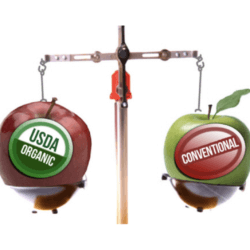



It often comes down to economics, says Mac Ehrhardt, owner of Albert Lea Seed. . . “Conventional seed is a lot cheaper to produce than organic seed,” he says. Consequently, it’s also cheaper to buy.
. . .[O]rganic seed costs, on average, 65 percent more than conventional seed.
. . .[T]he report outlines additional challenges preventing greater adoption of organic seed including a lack of experienced producers, and strict intellectual property rights.
Read full, original post: A Missing Puzzle Piece For Farmers: Organic Seed