Genetics may influence how you feel about your weight

Screen Shot at AM

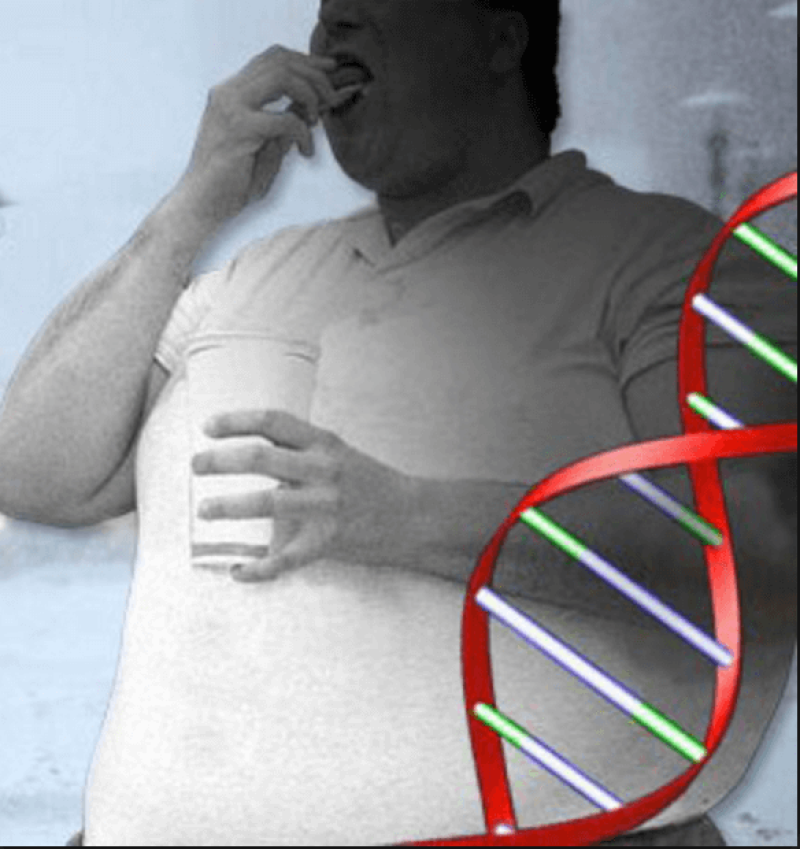
New research led by the University of Colorado Boulder is the first to show that people inherit genes that make them “feel” overweight, too skinny, or just perfect. And the feeling is stronger for women, according to the study.

The research, published online in the journal Social Science & Medicine, measured how genes versus the environment contribute to the way people feel about their weight. A score of zero indicated that genetics are not a contributing factor at all, while a score of one indicated genetics were the only contributing factor.

The study showed that perceived weight status was 0.47 inherited, said CU Boulder doctoral student Robbee Wedow, lead study author.  It’s the “first evidence that weight identity may have genetic underpinnings,” he said.

The researchers studied 700 twin pairs in their database, including many with identical genes.

Each person’s body mass index — or height-to-weight ratio — was calculated. Then they were asked if they felt overweight, underweight or “about the right weight.”

The GLP aggregated and excerpted this blog/article to reflect the diversity of news, opinion and analysis. Read full, original post: CU study: Genetics affect whether a person “feels” fat or skinny

{{ reviewsTotal }}{{ options.labels.singularReviewCountLabel }}
{{ reviewsTotal }}{{ options.labels.pluralReviewCountLabel }}
{{ options.labels.newReviewButton }}
{{ userData.canReview.message }}

Related Articles

Infographic: Global regulatory and health research agencies on whether glyphosate causes cancer

Infographic: Global regulatory and health research agencies on whether glyphosate causes cancer

Does glyphosate—the world's most heavily-used herbicide—pose serious harm to humans? Is it carcinogenic? Those issues are of both legal and ...

Most Popular

ChatGPT-Image-Apr-22-2026-11_06_18-AM
Wellness influencer nonsense: No, nicotine does not boost cognition and productivity, but it can damage your health 
ChatGPT-Image-Feb-16-2026-01_57_31-PM
Viewpoint: ‘Science-as-Satan’ unites the MAHA—MAGA movements. Is a breakup in the works?
Screenshot-2026-04-13-at-3.54.04-PM
AI disinformation stress test: Challenges and response strategies
bayer-supremecourt-lt
EPA concludes glyphosate is not carcinogenic. Missouri courts say Monsanto failed to warn it might be. SCOTUS weighs in.
ChatGPT-Image-Feb-16-2026-01_04_32-PM
Raw milk myth wake-up call
ChatGPT-Image-Mar-11-2026-11_58_46-AM
The Trump administration has run out more than 4,000 National Institutes of Health employees. Here are the consequences
Screenshot-2026-04-15-at-1.22.58-PM
Anti-biotechnology activists smear hybrid wheat breakthrough that could surge yields in poorer countries
Screenshot-2026-04-20-at-3.34.46-PM
Viewpoint: How do you sell evidence-based health and science in a world where facts don’t matter?
glp menu logo outlined

Get news on human & agricultural genetics and biotechnology delivered to your inbox.