In biology, a hybrid is when two different genotypes within the same species crossbreed, and the first generation performs significantly better than its parents. This effect is known as “heterosis” or “hybrid vigor”.
In cross-pollinated crops like maize and sunflowers, this technology has been revolutionizing fields for a century. Consider this: in the 1920s, maize yields were around 170 kg per decare; today, thanks to hybrid technology, they have reached 770 kg—a 100% increase over the standard. However, this success story always hit a wall when it came to “self-pollinating” crops like wheat and rice.
China’s Rice Revolution and Wheat’s “Locked Doors”
Chinese breeders broke the mold with rice, a crop previously expected not to show hybrid power. Thanks to specialized institutes and genetic male sterility systems, 56% of China’s rice fields are now planted with hybrid varieties. Once a rice importer, China has become self-sufficient through hybrid rice. Recent reports even suggest that Chinese scientists have implemented the apomixis system, which allows hybrid rice grains to be replanted without losing their hybrid vigor. It should be noted, however, that while hybrid vigor reaches 100% in cross-pollinated crops like maize, it generally stays within the 20% limit for self-pollinating crops like wheat and rice.
What About Wheat?
For years, attempts to capture hybrid vigor in wheat resulted in frustration. As leaders at Corteva have noted, biology, genetics, and economics simply wouldn’t align. Costs were too high, and inconsistency was rampant. A turning point occurred in 2018, following the publication of the wheat genome map by the International Wheat Genome Sequencing Consortium (IWGSC)—a global collaboration of over 200 researchers from 73 institutions.
Corteva and Syngenta: The Race of the Giants
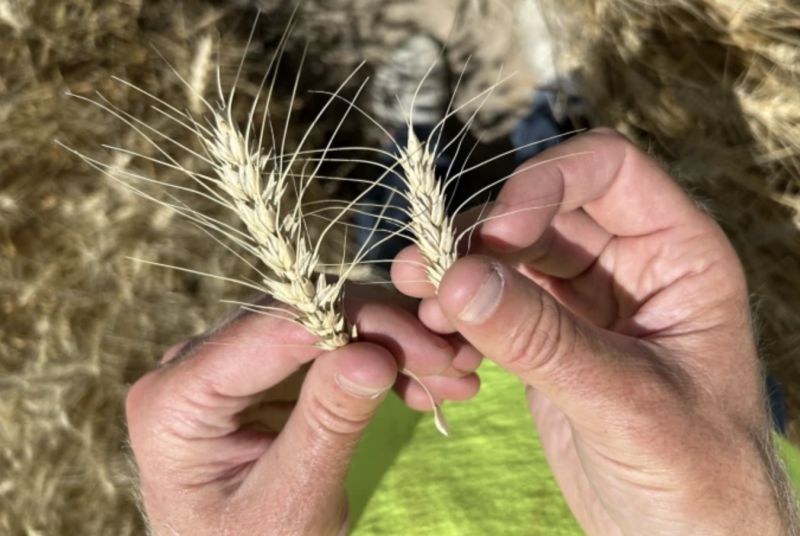
The agricultural world is currently buzzing with Corteva Agriscience’s massive move. The monumental yield increases seen in maize and soy over the last 50 years had been elusive in wheat due to biological barriers (both male and female organs residing in the same flower). Corteva has succeeded in opening these “locked doors” of wheat using a proprietary genetic system.
On the other hand, Syngenta entered the race in 2023 by launching hybrids of Hard Red Spring (HRS) wheat, known as the “aristocrat of wheat.” 2027 appears to be the milestone year when the trajectory of global wheat yields will change, and hybrid seeds will hit the fields on a large scale.
Why Hybrid Wheat?

This isn’t just a matter of “more product.” Hybrid wheat offers three core promises:
- Closing the Yield Gap: Offering 10-20% more yield than traditional varieties, making wheat a “cash crop” capable of competing with maize and soy.
- Stress Resilience: Providing stability even in restricted environments like drought and extreme heat, thanks to its strong root system.
- Environmental Efficiency: Offering a sustainable production model by utilizing nitrogen and water more economically.
Competing with Maize and Soy: Economic Transformation
In recent years, farmers worldwide have drifted away from wheat toward maize or soy because the profit per unit area was much higher due to yield gains.
- Market Share: If wheat yields increase, it will once again become a strategic cash crop.
- Input Efficiency: The ability of hybrid wheat to use nitrogen and water more efficiently is crucial for environmental sustainability and may prevent the shift to other crops.
Science Against the “Sterile” Smear Campaign
What should be said to the anti-biotechnology activists who run smear campaigns by labeling such a promising hybrid—purely due to its seed characteristics (the logic of hybridization)—as “sterile” or “infertile”? While science overcomes massive hurdles for our food security, ignoring the reality in the field and the labor in the laboratory is incomprehensible. We must remember: for wheat to become a “strategic power” again, we must correctly understand these biotechnological breakthroughs and deliver hybrid varieties to our farmers.
Nazimi Açıkgöz is an independent science writer. He earned his Ph D. degree at Munich Technical University in 1972 and is one of the founders of Ege University’s “Seed Center”. Find Nazimi Acikgoz on X @nazimiacikgoz
A version of this article was originally posted at No Chance to Food Crisis and is reposted here with permission. Any reposting should credit both the GLP and original article. Find Nazimi Acikgoz on X @nazimiacikgoz