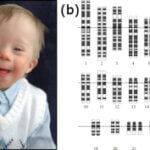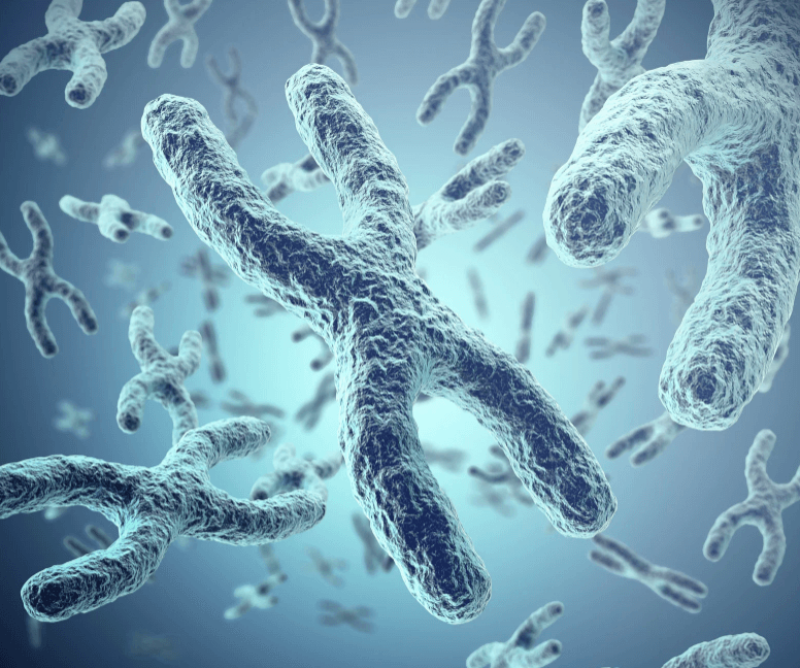
Could Down syndrome one day be corrected at the cellular level? Japanese scientists may have taken an extraordinary step toward that possibility, thanks to a groundbreaking application of gene-editing technology.
Researchers at Mie University in Japan have used CRISPR-Cas9 — a molecular tool that can precisely cut DNA — to remove the extra chromosome 21 responsible for Down syndrome in lab-grown human cells. Their findings were recently published in PNAS Nexus, a peer-reviewed scientific journal.
Led by Ryotaro Hashizume and his colleagues, the team developed a CRISPR-based system capable of targeting and eliminating the surplus chromosome in affected cells. The technique, called allele-specific editing, ensured that only the extra chromosome was removed without disrupting the normal ones.
…
While still in its early stages, the research raises profound questions about whether we could, or even should, attempt to eliminate the root cause of Down syndrome.

…
The goal may be to lessen medical or developmental difficulties, but it also makes people think more deeply about how our society values the diversity of human experience.