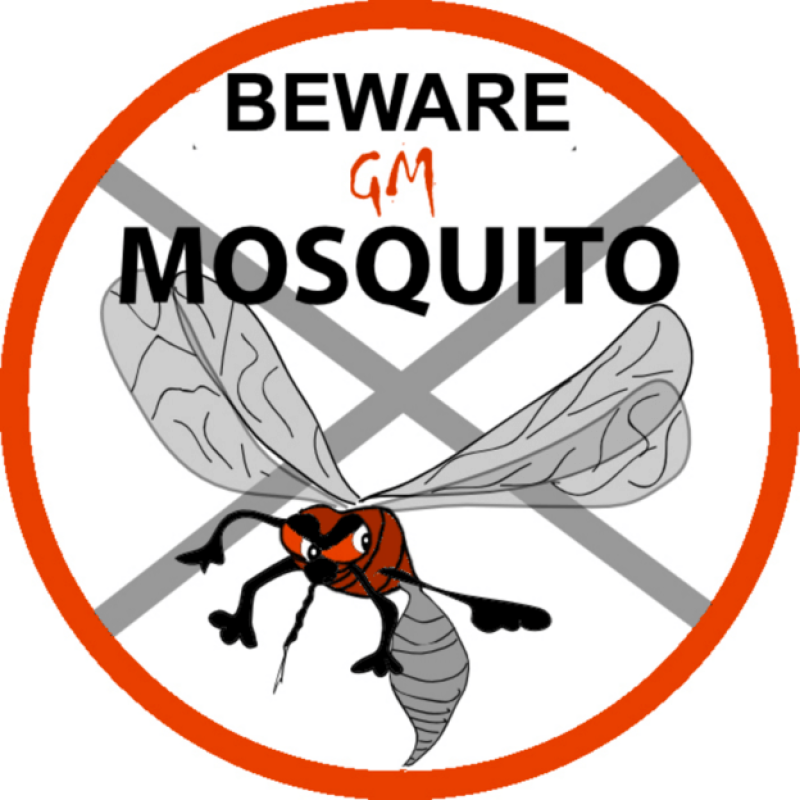
Public dialogue necessary to counter distrust over deploying GMO mosquitoes

Screen Shot at AM x

An emerging technology that could form part of strategies for controlling insect-borne pathogens is to suppress or replace insect populations by releasing genetically modified (GM) insects. Trial releases of GM insects for disease control have now been conducted in the Caribbean, Malaysia, and Brazil, but none have yet proceeded in the European Union (EU).

One reason behind geographical differences in the assessment process is probably that there are no truly global guidelines.

Regional differences also reflect public opinion. The history of field releases of sterilized disease vectors and GMOs illustrates the importance of effective dialogue with the public.


Part of the solution could be providing more information to the public….

It is also important that communication is two-way…[P]ublic mistrust of GM driven by its concentration in the hands of a few companies could encourage policymakers to make the licensing and approval process more restrictive, driving up regulatory costs and excluding small companies. However, the views of the most vocal opponents of GM do not necessarily represent views held at a population level.

The GLP aggregated and excerpted this blog/article to reflect the diversity of news, opinion, and analysis. Read full, original post: What Is Stopping the Use of Genetically Modified Insects for Disease Control?

{{ reviewsTotal }}{{ options.labels.singularReviewCountLabel }}
{{ reviewsTotal }}{{ options.labels.pluralReviewCountLabel }}
{{ options.labels.newReviewButton }}
{{ userData.canReview.message }}

Related Articles

Infographic: Global regulatory and health research agencies on whether glyphosate causes cancer

Infographic: Global regulatory and health research agencies on whether glyphosate causes cancer

Does glyphosate—the world's most heavily-used herbicide—pose serious harm to humans? Is it carcinogenic? Those issues are of both legal and ...

Most Popular

Picture1
The FDA couldn’t find a vaccine safety crisis, so it buried its own research
ChatGPT-Image-Apr-16-2026-02_56_53-PM
Financial incentives, over diagnosis, and weak oversight: Autism claims are driving up Medicare costs
Screenshot-2026-05-19-at-11.23.34-AM
West-originated vaccine disinformation sparks murders of health care workers across Africa
Screenshot-2026-04-22-at-12.21.32-PM
Viewpoint: Why the retracted Monsanto glyphosate study doesn’t change the science—the world’s most popular herbicide is safe 
Screenshot-2026-05-08-at-11.55.47-AM
Anti-vax activists falsely blame COVID vaccines for the rising U.S. cancer rate among younger people.
ChatGPT-Image-May-12-2026-11_27_01-AM-2
AI likely to improve health care, research shows—but not for blacks and ethnic minorities
ChatGPT-Image-May-7-2026-12_32_36-PM
Viewpoint: The state of U.S. vaccine policy? Dismal nationally, but some states are stepping up.
modi visit sikkim
Viewpoint: Indian PM wants farmers to switch to 50% organic. It would take at least 10 years, likely won’t work, and isn’t more sustainable
Screenshot-2026-05-18-at-12.57.12-PM
Viewpoint—‘Technology is pulling us apart’: Environmental, political, and economic
Screenshot-2026-04-13-at-1.39.26-PM
Viewpoint: ‘Safer for children?’ Stonyfield yogurt under fire for deceptive organic marketing
glp menu logo outlined

Get news on human & agricultural genetics and biotechnology delivered to your inbox.