What are the benefits and concerns about GMOs?

Screen Shot at PM
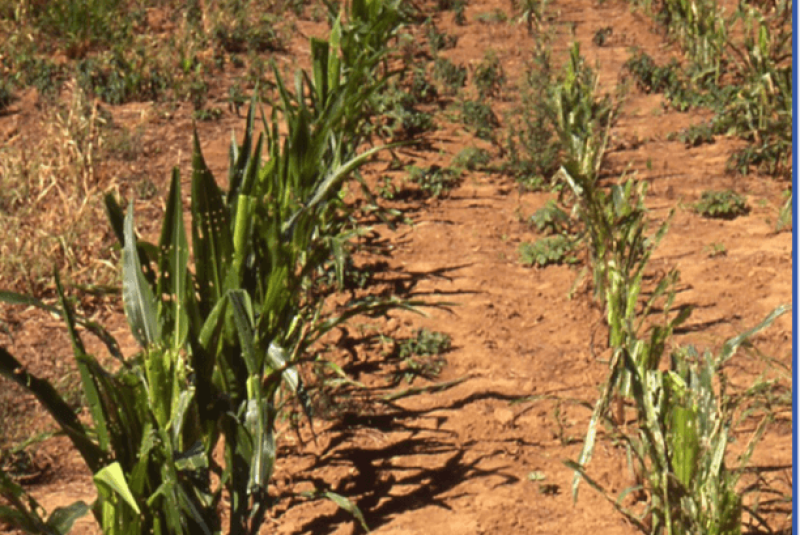
Corn at left with Bt trait which protects against fall armyworm damage; convention; corn at right showing significant damage from armyworm.

As the population increases, there is an ever-greater need for increases in crop yields on the same amount of land. In addition, an increase focus on food safety, sustainability, reduced agricultural inputs, and reduction of pesticides, puts further pressure on crops and growers. Thus, some have turned to genetically engineered crops as a way to meet the demands of a changing world.

The manipulation of the genetic make-up of crops raises numerous concerns and questions for many consumers. Should these products be regulated? Are they safe? What are the benefits of GMOs?

Concerns about Genetic Engineering

  • Is genetic engineering natural?
  • Are genetically engineered crops safe to eat?
  • Can genetic material from genetically engineered crops spread in pollen?
  • Do patents or genetic traits cause concern?
  • Are food cultures affected by genetic engineered crops?
  • Does genetic engineering foster monoculture farming?
  • Do genetically engineered crops cause loss of biodiversity?
  • Do genetically engineered crops promote pesticide use?

Benefits of Genetic Engineering

  • Human health and nutrition
  • Less pesticide
  • Environmentally friendly pest control
  • Lower environmental footprint
  • Soil conservation
  • Increase yield
  • Reduced labor costs
  • Higher profits
  • Stress-tolerant crops

The GLP aggregated and excerpted this blog/article to reflect the diversity of news, opinion, and analysis. Read full, original post: Genetically Engineered Crops: Emerging Opportunities

{{ reviewsTotal }}{{ options.labels.singularReviewCountLabel }}
{{ reviewsTotal }}{{ options.labels.pluralReviewCountLabel }}
{{ options.labels.newReviewButton }}
{{ userData.canReview.message }}

Related Articles

Infographic: Global regulatory and health research agencies on whether glyphosate causes cancer

Infographic: Global regulatory and health research agencies on whether glyphosate causes cancer

Does glyphosate—the world's most heavily-used herbicide—pose serious harm to humans? Is it carcinogenic? Those issues are of both legal and ...

Most Popular

Screenshot-2026-05-01-at-1.29.41-PM
Viewpoint: What happens when whole grains meet modern food manufacturing? Labels don’t tell the whole story.
S
As vaccine rejectionism spreads, measles may be taking a more dangerous turn
Screenshot 2026-05-06 at 2.56
Singularity crisis ahead? Can super babies save us from rogue AI geniuses?
ChatGPT-Image-Mar-27-2026-11_47_30-AM-2
FDA’s expedited drug reviews are hailed in some quarters but other approval practices are problematic
Screenshot-2026-04-20-at-2.26.27-PM
Viewpoint — Food-fear world: The latest activist scientists campaign: Cancer-causing additives
Farmers can talk to plants
Farmers are a major source of misinformation—about farming
Screenshot-2026-04-30-at-2.19.37-PM
5 myths about summer dehydration that could damage your health — or even kill you
Screenshot-2026-05-06-at-2.07.43-PM
Manufacturing a conspiracy: The timeline of how  the White House embraced the fringe claim that scientists are being mysteriously murdered
Screenshot-2026-03-13-at-12.14.04-PM
The FDA wants to make many popular prescription drugs OTC—a great idea. Here’s why it’s unlikely to happen
Screenshot 2026-05-06 at 2.19
Vaccine shootout at the CDC 
Screenshot-2026-04-03-at-11.15.51-AM
Paraben panic: How a flawed study, media hype, and chemophobia convinced the public of the danger of one of the safest classes of preservatives
glp menu logo outlined

Get news on human & agricultural genetics and biotechnology delivered to your inbox.