Does the administration’s block of the chlorpyrifos pesticide ban signal a changing regulatory landscape?

pesticide pgiam istockphoto

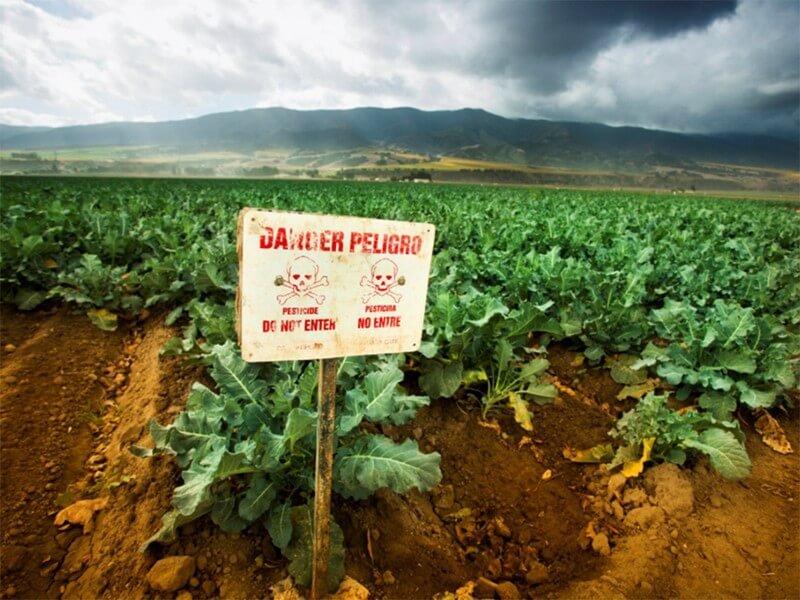
One of the first things this administration did was to rescind a government proposal to ban a pesticide used on much of the fresh food we eat โ€” a chemical compound, chlorpyrifos, found to be harmful to the brain and nervous system of children.

I can hear my friends in the apple orchards of Eastern Washington saying a little whiff of chlorpyrifos isnโ€™t going to hurt anybody. Of course, they would never spray it around their children, and certainly not pregnant women.

Tomato farmers stopped applying chlorpyrifos 17 years ago, and most citrus growers did the same, though it is still widely used on everything from brussels sprouts to berries. In 2015, alarmed by new studies linking chlorpyrifos to lower I.Q. in children, the government moved to ban it altogether.

The election changed everything. In came a gang that sees all this hyperventilating about poisons in our food, toxins in our water and carbon in our air as alarmist whining. From here on out, public health would take a back seat to Dow Chemical.

Does Trump want to make American children a little dumber, a little more vulnerable to cancer, especially those in the regions that voted for him? No, of course not. But by being reflexively hostile to science that points out the hazards around us, heโ€™s doing just that.

The GLP aggregated and excerpted this blog/article to reflect the diversity of news, opinion, and analysis. Read full, original post:ย Poisons Are Us

For more background on the Genetic Literacy Project, read GLP on Wikipedia

{{ reviewsTotal }}{{ options.labels.singularReviewCountLabel }}
{{ reviewsTotal }}{{ options.labels.pluralReviewCountLabel }}
{{ options.labels.newReviewButton }}
{{ userData.canReview.message }}

Related Articles

Infographic: Global regulatory and health research agencies on whether glyphosate causes cancer

Infographic: Global regulatory and health research agencies on whether glyphosate causes cancer

Does glyphosateโ€”the world's most heavily-used herbicideโ€”pose serious harm to humans? Is it carcinogenic? Those issues are of both legal and ...

Most Popular

Picture1
The FDA couldnโ€™t find a vaccine safety crisis, so it buried its own research
Screenshot-2026-04-22-at-12.21.32-PM
Viewpoint: Why the retracted Monsanto glyphosate study doesnโ€™t change the scienceโ€”the worldโ€™s most popular herbicide is safeย 
ChatGPT-Image-May-7-2026-12_32_36-PM
Viewpoint: The state of U.S. vaccine policy? Dismal nationally, but some states are stepping up.
Screenshot-2026-05-19-at-11.23.34-AM
West-originated vaccine disinformation sparks murders of health care workers across Africa
_20250221_nib_rfk_trump
Viewpoint: 'Crisis of public trust': Autism support community shocked RFK continues to peddle false claims about the danger of vaccines
placebo
Viewpoint โ€” Alternative medicine and the placebo effect: Selling a reassuring illusion of health
ChatGPT-Image-May-18-2026-01_45_05-PM-2
Newest hantavirus conspiracy: Online disinformation turns outbreak into latest ivermectin grift
ChatGPT-Image-May-18-2026-12_06_18-PM-2
Defying death: The immortality movement goes mainstream
Screenshot-2026-04-13-at-1.39.26-PM
Viewpoint: โ€˜Safer for children?โ€™ Stonyfield yogurt under fire for deceptive organic marketing
Defense_Secretary_Ash_Carter_tours_the_Microsoft_Cybercrime_Center_in_Seattle_March_3_2016
How criminals are using AI to target social media users and steal their money and confidential data
glp menu logo outlined

Get news on human & agricultural genetics and biotechnology delivered to your inbox.