Worries over CRISPR gene editing’s unintended mutations appear to be overhyped

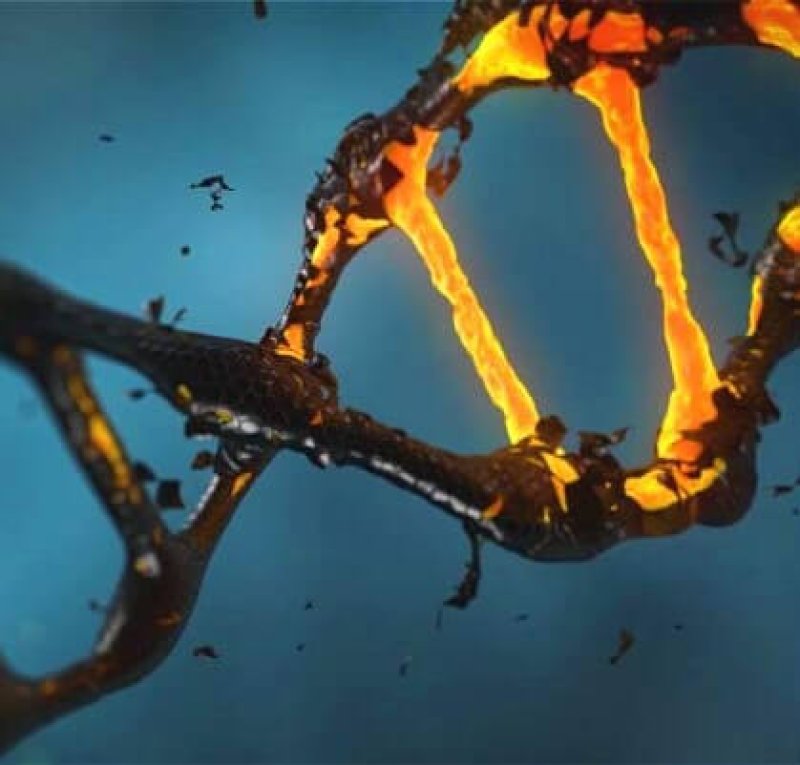
image f CRISPR Cas Mutations

[Recently,] a short communication came out in Nature methods on off targets (OT) effects following CRISPR/Cas9 editing into the mouse zygote. This paper has made few headlines in media outlets leading to a fall in stock market for biotechnology companies such as Editas Medicine or Caribou Biosciences.

One important question is this unusual OT rate was observed before? The simple answer is NO.

In general the number of OT reported in the literature after CRISPR/Cas9 editing is generally low and predictable as Cas9 is highly sensitive to mismatches.

[But then why does this] discrepancy [exist] between the report published in Nature Methods and previous observations?

From reading this report…in Nature Methods, it appears clear to me that 1) The methods of Cas9 delivery was unusual leading to the generation of an increase OT as normally reported 2) The low sample size…revealed a seriously underpowered study and meaningless results 3) The experimental design [was poor]…Therefore this led to an abnormal number of mutations reported. I would predict very few if not close to none of these variants are CRISPR related.

I find absolutely astonishing this paper got published in Nature Methods. This is a terrible paper and as a reviewer I would have dismissed it from the first round of review. This is a worrying trend from ‘high impact’ journals to promote the hype over good science.

[Read the full study here(behind paywall)]

The GLP aggregated and excerpted this blog/article to reflect the diversity of news, opinion, and analysis. Read full, original post: Should we be worried about CRISPR/Cas9 off target effects?


{{ reviewsTotal }}{{ options.labels.singularReviewCountLabel }}
{{ reviewsTotal }}{{ options.labels.pluralReviewCountLabel }}
{{ options.labels.newReviewButton }}
{{ userData.canReview.message }}

Related Articles

Infographic: Global regulatory and health research agencies on whether glyphosate causes cancer

Infographic: Global regulatory and health research agencies on whether glyphosate causes cancer

Does glyphosate—the world's most heavily-used herbicide—pose serious harm to humans? Is it carcinogenic? Those issues are of both legal and ...

Most Popular

Screenshot-2026-04-22-at-12.21.32-PM
Viewpoint: Why the retracted Monsanto glyphosate study doesn’t change the science—the world’s most popular herbicide is safe 
Picture1
The FDA couldn’t find a vaccine safety crisis, so it buried its own research
ChatGPT-Image-May-1-2026-11_42_59-AM-2
Viewpoint: NAD is the wellness grifters latest evidence-lite longevity fad. At least the mice are impressed.
ChatGPT-Image-Apr-16-2026-02_56_53-PM
Financial incentives, over diagnosis, and weak oversight: Autism claims are driving up Medicare costs
global warming
‘Implausible’: Top climate scientists reject worst-case scenario—soaring temperatures and fast-rising sea levels
ChatGPT-Image-May-12-2026-11_27_01-AM-2
AI likely to improve health care, research shows—but not for blacks and ethnic minorities
ChatGPT-Image-May-7-2026-01_23_27-PM-2
Viewpoint: Will AI democratize personalized cancer treatment or fuel medical misinformation?
vax-misinformation-main
Facts & Fallacies Podcast: Limit free speech to blunt social media misinfo?

Sorry. No data so far.

glp menu logo outlined

Get news on human & agricultural genetics and biotechnology delivered to your inbox.