Crop yields limited by genes more than nutrition, water and sunlight

Screen Shot at PM

You might think that plants grow according to how much nutrition, water and sunlight they are exposed to, but new research by Dr Nick Pullen and a team from the John Innes Centre, UK shows that the plant’s own genetics may be the real limiting factor.

“This could have potentially big implications for the agricultural industry,” says Dr Pullen, “Our model plant is in the same family as cabbages, so it’s easy to imagine creating giant cabbages or growing them to the desired market size faster than at present.”

It was previously assumed that plant growth was generally resource-limited, meaning that plants would only grow as large and fast as they could photosynthesise. However, Dr Pullen and his team present evidence that plant growth is actually “sink-limited”, meaning that genetic regulation and cell division rates have a much bigger role in controlling plant growth than previously thought: “We are proposing that plant growth is not physically limited by Net Primary Productivity (NPP) or the environment, but instead is limited genetically in response to these signals to ensure they do not become limiting.”
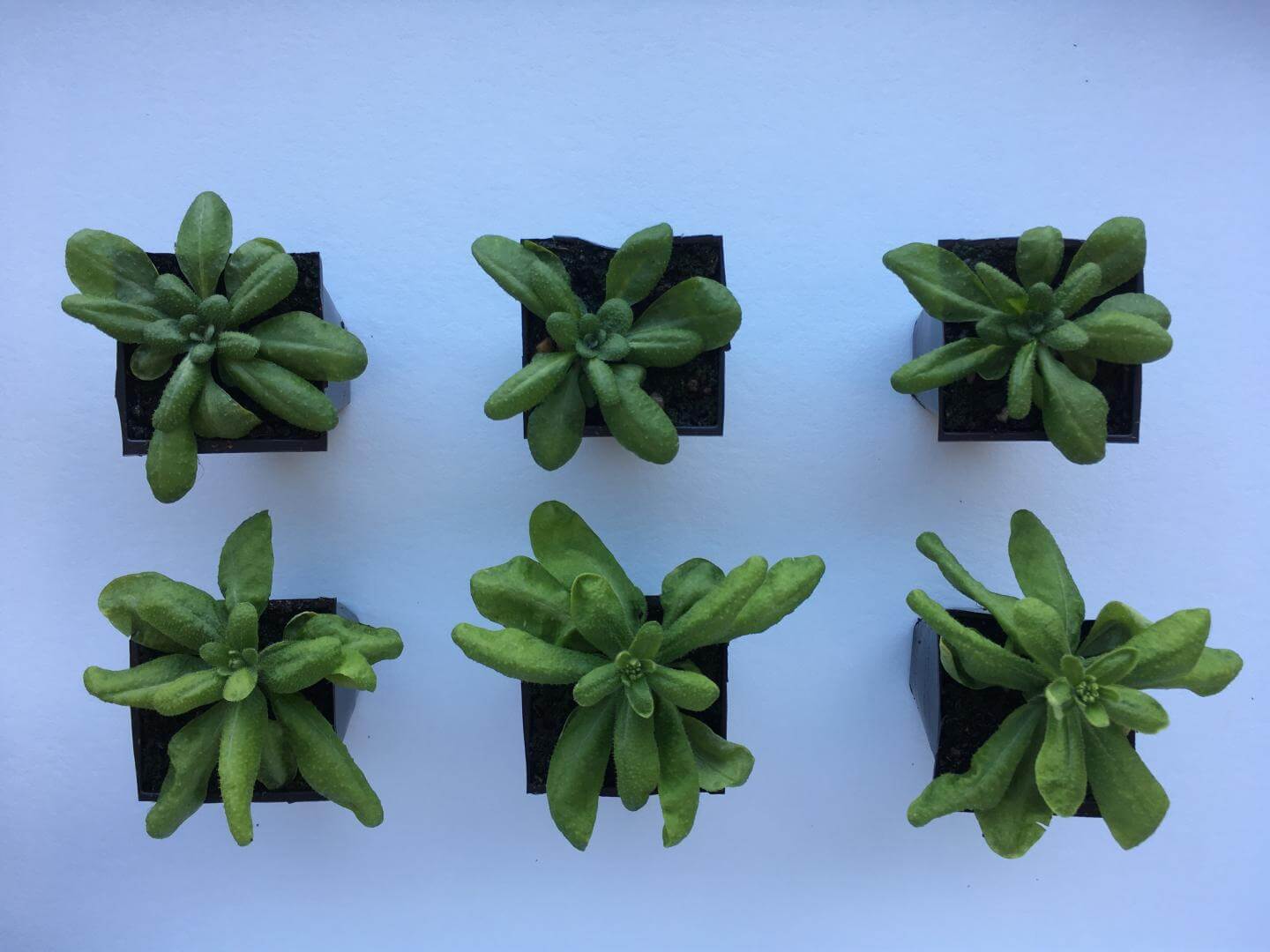
By genetically altering the growth repressors in Arabidopsis, Dr Pullen and his team were able to create mutant strains. They identified the metabolic rates of the different plant strains by measuring rates of photosynthesis and respiration, as well as comparing the size and weight of the plants to monitor differences in physical growth.
web
Comparison of growth differences in wild-type (left) and growth-repressor mutant (right) Arabidopsis plants.

The GLP aggregated and excerpted this blog/article to reflect the diversity of news, opinion, and analysis. Read full, original post: Genetics may lie at the heart of crop yield limitation

Related Articles

Infographic: Global regulatory and health research agencies on whether glyphosate causes cancer

Infographic: Global regulatory and health research agencies on whether glyphosate causes cancer

Does glyphosate—the world's most heavily-used herbicide—pose serious harm to humans? Is it carcinogenic? Those issues are of both legal and ...

Most Popular

ChatGPT-Image-Mar-10-2026-01_39_01-PM
Viewpoint—“Miracle molecule” debunked: Why acemannan supplements don’t work
psychedelics ptsd neurosciencnews public
Chaos or at peace with the world: The complex ways psychedelics transform the brain
Diet Soda with Measuring Tape 2
Science challenges anti-soda activists: No, sodas won’t make you fat
Rustic Skillet of Raw Brains
‘Weird food’? Testicle- and brain-eating, supplement-gulping MAHA health food enthusiasts defend their ‘natural’ diets
Strawberry Clamshell with Warning Sticker
Viewpoint: Activists hype ‘dangerous level’ of pesticide residues in Driscoll berries: Separating health concerns from fear-mongering
Silhouettes Beneath the Mosquito Nets
Guinea-Bissau halts widely condemned RFK Jr.-backed vaccine trial that would have withheld life-saving vaccines from thousands of newborns
Screenshot 2026-10-16 at 5.38
PFAS in Agriculture: Science, Uncertainty, and Risk Communication
Government Briefing on Autism Trends
Viewpoint: ‘Statistical murder’: Kennedy’s expanding record of “duplicity and mendacity”
glp menu logo outlined

Get news on human & agricultural genetics and biotechnology delivered to your inbox.