Viewpoint: Africa must modernize farms by embracing biotechnology to fight malnutrition

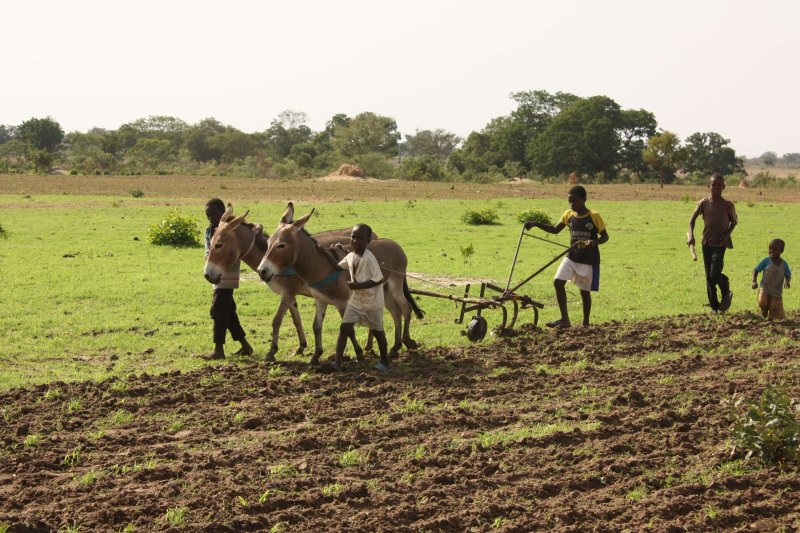
boys plowing

[Editor’s note: Mark Lynas is a British journalist and environmentalist.]

Africa desperately needs agricultural modernisation. With the most rapidly growing population in the world and hundreds of millions still suffering malnutrition, African leaders cannot afford to close the door to innovation.

Poverty is endemic and “yield gaps” mean that African farmers commonly harvest less than a tenth of the global average in maize and other crops.

Part of the problem has been political resistance to adopting new and improved technologies, particularly in seed breeding. Some of this unwillingness has been home-grown, but much has been imported to Africa by rich-country NGOs with a colonialist ideological agenda that see poverty as dignified and want to keep farmers permanently trapped in subsistence lifestyles.

[T]heir most determined opposition has been to genetically improved crops, the so-called GMOs, about which extremist fearmongering has become routine across the continent.

In Tanzania, I witnessed NGO-sponsored farmers claiming that consuming GMOs would make their children homosexual.

All these statements are absurd and scientifically baseless, but unfortunately African governments have taken them all too seriously.

But things are shifting and today’s winds of change are sweeping across Africa.

The GLP aggregated and excerpted this blog/article to reflect the diversity of news, opinion, and analysis. Read full, original post: Africa must modernise its farms in order to fight hunger and poverty

{{ reviewsTotal }}{{ options.labels.singularReviewCountLabel }}
{{ reviewsTotal }}{{ options.labels.pluralReviewCountLabel }}
{{ options.labels.newReviewButton }}
{{ userData.canReview.message }}

Related Articles

Infographic: Global regulatory and health research agencies on whether glyphosate causes cancer

Infographic: Global regulatory and health research agencies on whether glyphosate causes cancer

Does glyphosate—the world's most heavily-used herbicide—pose serious harm to humans? Is it carcinogenic? Those issues are of both legal and ...

Most Popular

Screenshot-2026-05-01-at-1.29.41-PM
Viewpoint: What happens when whole grains meet modern food manufacturing? Labels don’t tell the whole story.
S
As vaccine rejectionism spreads, measles may be taking a more dangerous turn
Screenshot 2026-05-06 at 2.56
Singularity crisis ahead? Can super babies save us from rogue AI geniuses?
Screenshot-2026-05-06-at-2.07.43-PM
Manufacturing a conspiracy: The timeline of how  the White House embraced the fringe claim that scientists are being mysteriously murdered
Screenshot-2026-04-20-at-2.26.27-PM
Viewpoint — Food-fear world: The latest activist scientists campaign: Cancer-causing additives
Screenshot-2026-04-30-at-2.19.37-PM
5 myths about summer dehydration that could damage your health — or even kill you
Screenshot-2026-03-13-at-12.14.04-PM
The FDA wants to make many popular prescription drugs OTC—a great idea. Here’s why it’s unlikely to happen
ChatGPT-Image-May-6-2026-03_41_05-PM
‘Protecting the integrity of science’: Kennedy’s FDA blocks release of taxpayer-funded studies finding COVID and shingles vaccines safe
Screenshot-2026-05-01-at-11.56.24-AM
‘Science moves forward when people are willing to think differently’: Memories of DNA maverick Craig Venter
Screenshot 2026-05-06 at 12.49
Immortal dragons: The quest to ‘make death optional’
79d03212-2508-45d0-b427-8e9743ff6432
Viewpoint: The Casey Means hustle—Wellness woo opportunism dressed up as medical wisdom
glp menu logo outlined

Get news on human & agricultural genetics and biotechnology delivered to your inbox.