Glyphosate herbicide negatively affects soil-friendly bacteria, study shows

pseudomona

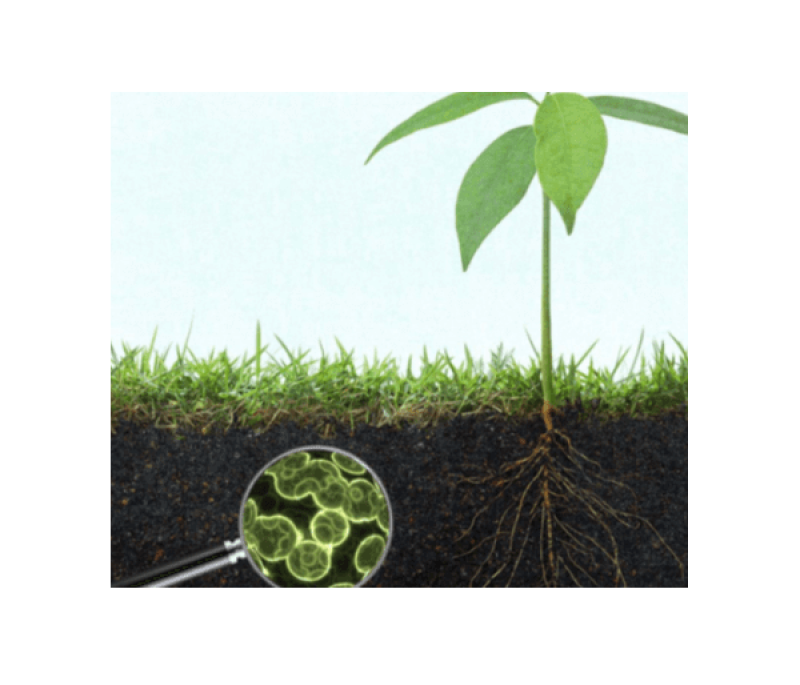
Cornell researchers found negative consequences of the weed-killing herbicide glyphosate on pseudomonas, a soil-friendly bacteria [read the full study here].

[Gyphosate] applied to crops can drain into the soil and disrupt the molecular factories in the bacterial cells in some species, interfering with their metabolic and amino acid machinery.

The new findings show that glyphosate does not target the amino acid production and metabolic gadgetry equally among the pseudomonas species.

For example, when Pseudomonas protegens, a bacteria used as a biocontrol agent for cereal crops, and Pseudomonas fluorescens, used as a fungus biocontrol for fruit trees, were exposed to varying glyphosate concentrations, the researchers noted no ill effects.

However, in two species of Pseudomonas putida used in soil fungus control for corn and other crops, the bacteria had notably stunted growth, said Aristilde, who is a faculty fellow at Cornell’s Atkinson Center for a Sustainable Future.

“Thus, if a farmer is using Pseudomonas fluorescens as a biocontrol, then it is probably OK to use glyphosate,” Aristilde said. “But if the farmer uses Pseudomonas putida to control the fungus in the soil, then glyphosate is more likely to prevent the bacteria from doing its job.”

The GLP aggregated and excerpted this article to reflect the diversity of news, opinion and analysis. Read full, original post: War on Weeds Takes Toll on Soil-Friendly Bacteria


{{ reviewsTotal }}{{ options.labels.singularReviewCountLabel }}
{{ reviewsTotal }}{{ options.labels.pluralReviewCountLabel }}
{{ options.labels.newReviewButton }}
{{ userData.canReview.message }}

Related Articles

Infographic: Global regulatory and health research agencies on whether glyphosate causes cancer

Infographic: Global regulatory and health research agencies on whether glyphosate causes cancer

Does glyphosate—the world's most heavily-used herbicide—pose serious harm to humans? Is it carcinogenic? Those issues are of both legal and ...

Most Popular

Picture1
The FDA couldn’t find a vaccine safety crisis, so it buried its own research
Screenshot-2026-04-22-at-12.21.32-PM
Viewpoint: Why the retracted Monsanto glyphosate study doesn’t change the science—the world’s most popular herbicide is safe 
ChatGPT-Image-May-7-2026-12_32_36-PM
Viewpoint: The state of U.S. vaccine policy? Dismal nationally, but some states are stepping up.
placebo
Viewpoint — Alternative medicine and the placebo effect: Selling a reassuring illusion of health
_20250221_nib_rfk_trump
Viewpoint: 'Crisis of public trust': Autism support community shocked RFK continues to peddle false claims about the danger of vaccines
ChatGPT-Image-May-18-2026-01_45_05-PM-2
Newest hantavirus conspiracy: Online disinformation turns outbreak into latest ivermectin grift
Screenshot-2026-04-13-at-1.39.26-PM
Viewpoint: ‘Safer for children?’ Stonyfield yogurt under fire for deceptive organic marketing
the magic of mRNA
Viewpoint: Anti-vax fake ‘turbo cancer’ claims threaten cancer treatment breakthroughs
Screenshot-2026-04-22-at-10.46.29-AM
Viewpoint: How to counter science disinformation? Science journalist offers 12 practical tips
ChatGPT-Image-May-7-2026-12_16_37-PM-2
Viewpoint: Are cancer rates ‘skyrocketing’ as RFK, Jr. and MAHA claim? The evidence says mostly the opposite
artificial intelligence brain think illustration md
Viewpoint — Digital gods and human extinction: Will we be the first species ever to design our own descendants?
Defense_Secretary_Ash_Carter_tours_the_Microsoft_Cybercrime_Center_in_Seattle_March_3_2016
How criminals are using AI to target social media users and steal their money and confidential data
glp menu logo outlined

Get news on human & agricultural genetics and biotechnology delivered to your inbox.