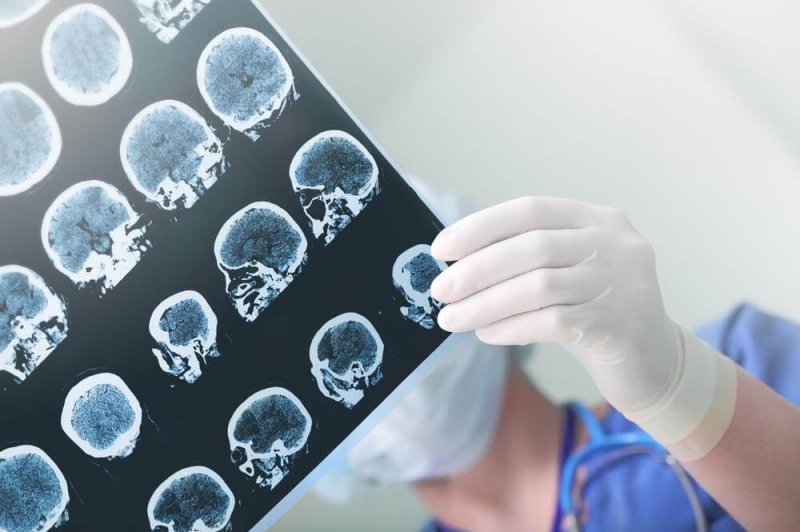
Treating difficult brain and breast cancers with the help of viruses

brain

New research published in Science Translational Medicine … introduced a new potential treatment for some of the most difficult to treat cancers––brain and triple negative breast cancer (TNBC). The research, published in two side by side papers, shows that viruses enhance the use of checkpoint therapy in cancer treatment.

The process of making this distinction [between self and invader] becomes difficult for immune cells because cancer cells lie in a gray area of self and non-self. In addition, cancer cells can manipulate checkpoints to avoid being attacked by the immune system. One hot field of cancer research is to tweak this system so that cancer cells are more visible or recognizable to the immune system. In doing so, the immune system can be harnessed to target cancer cells and kill them.

In both studies, the authors found that virus treatment given early, before surgical removal of the mass, alters the immune response and increases the effects of treatment with immune checkpoint inhibitors.


It is important to mention that neither breast nor brain tumors are usually treatable with these drugs. So, in essence, these findings may have opened up an entirely new treatment option for these otherwise intractable cancers. For the people with TNBC (15% of all breast cancer patients) and brain cancer, it may be a lifesaver.

Read full, original post: Viruses May Help In The Fight Against Hard-To-Treat Cancers

{{ reviewsTotal }}{{ options.labels.singularReviewCountLabel }}
{{ reviewsTotal }}{{ options.labels.pluralReviewCountLabel }}
{{ options.labels.newReviewButton }}
{{ userData.canReview.message }}

Related Articles

Infographic: Global regulatory and health research agencies on whether glyphosate causes cancer

Infographic: Global regulatory and health research agencies on whether glyphosate causes cancer

Does glyphosate—the world's most heavily-used herbicide—pose serious harm to humans? Is it carcinogenic? Those issues are of both legal and ...

Most Popular

Picture1
The FDA couldn’t find a vaccine safety crisis, so it buried its own research
Screenshot-2026-04-22-at-12.21.32-PM
Viewpoint: Why the retracted Monsanto glyphosate study doesn’t change the science—the world’s most popular herbicide is safe 
ChatGPT-Image-May-7-2026-12_32_36-PM
Viewpoint: The state of U.S. vaccine policy? Dismal nationally, but some states are stepping up.
placebo
Viewpoint — Alternative medicine and the placebo effect: Selling a reassuring illusion of health
_20250221_nib_rfk_trump
Viewpoint: 'Crisis of public trust': Autism support community shocked RFK continues to peddle false claims about the danger of vaccines
ChatGPT-Image-May-18-2026-01_45_05-PM-2
Newest hantavirus conspiracy: Online disinformation turns outbreak into latest ivermectin grift
Screenshot-2026-04-13-at-1.39.26-PM
Viewpoint: ‘Safer for children?’ Stonyfield yogurt under fire for deceptive organic marketing
Screenshot-2026-04-22-at-10.46.29-AM
Viewpoint: How to counter science disinformation? Science journalist offers 12 practical tips
ChatGPT-Image-May-18-2026-12_06_18-PM-2
Defying death: The immortality movement goes mainstream
the magic of mRNA
Viewpoint: Anti-vax fake ‘turbo cancer’ claims threaten cancer treatment breakthroughs
ChatGPT-Image-May-7-2026-12_16_37-PM-2
Viewpoint: Are cancer rates ‘skyrocketing’ as RFK, Jr. and MAHA claim? The evidence says mostly the opposite
Defense_Secretary_Ash_Carter_tours_the_Microsoft_Cybercrime_Center_in_Seattle_March_3_2016
How criminals are using AI to target social media users and steal their money and confidential data
glp menu logo outlined

Get news on human & agricultural genetics and biotechnology delivered to your inbox.