Why wheat genome has over 5 times more DNA than humans

jpeg

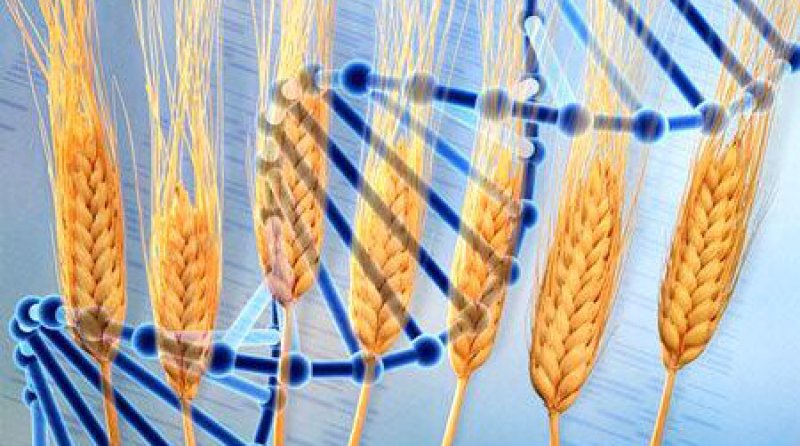
The domestication of wheat and other staple crops in the Levant some 10,000 years ago allowed for persistent settlement above a level of mere subsistence—one possible definition of the beginning of civilisation. Early farmers grew naturally occurring hybrids of wheat, and over time tamed them into a robust, easy-to-harvest and high-yielding species, the history of which is revealed in the genome of modern bread wheat. It is an enormously dense, complicated genome. And unlike the genetic codes of staples like rice, soya and maize, scientists struggled until 2017 to crack it. Why was it so hard to decipher and was it worth the effort?

The genomes of ancient wheats, such as wild emmer, contain more of the DNA base pairs required to create proteins than that of humans. Domesticated hybrids, like bread wheat, are even larger. Bread wheat has nearly six times the number of DNA base pairs as humans (about 17bn compared with humans’ 3bn). That is in part because humans are diploid, with two sets of chromosomes, whereas the chromosomes of bread wheat come in sets of six (which correspond to the three ancient wheats of which bread wheat is a hybrid). Furthermore, the DNA of ancient wheat contained a huge amount of duplication.
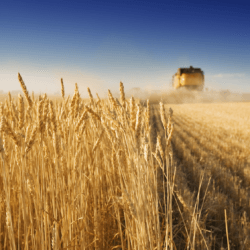
Read full, original post: Why the genome of wheat is so massive

{{ reviewsTotal }}{{ options.labels.singularReviewCountLabel }}
{{ reviewsTotal }}{{ options.labels.pluralReviewCountLabel }}
{{ options.labels.newReviewButton }}
{{ userData.canReview.message }}

Related Articles

Infographic: Global regulatory and health research agencies on whether glyphosate causes cancer

Infographic: Global regulatory and health research agencies on whether glyphosate causes cancer

Does glyphosate—the world's most heavily-used herbicide—pose serious harm to humans? Is it carcinogenic? Those issues are of both legal and ...

Most Popular

Screenshot-2026-04-22-at-12.21.32-PM
Viewpoint: Why the retracted Monsanto glyphosate study doesn’t change the science—the world’s most popular herbicide is safe 
Picture1
The FDA couldn’t find a vaccine safety crisis, so it buried its own research
ChatGPT-Image-May-1-2026-11_42_59-AM-2
Viewpoint: NAD is the wellness grifters latest evidence-lite longevity fad. At least the mice are impressed.
global warming
‘Implausible’: Top climate scientists reject worst-case scenario—soaring temperatures and fast-rising sea levels
Screenshot-2026-05-21-at-12.15.17-PM
UK gene-editing milestone: Livestock barley that increases ruminant value and reduces methane emissions is first-approved CRISPR crop
vax-misinformation-main
Facts & Fallacies Podcast: Limit free speech to blunt social media misinfo?
ChatGPT-Image-Apr-16-2026-02_56_53-PM
Financial incentives, over diagnosis, and weak oversight: Autism claims are driving up Medicare costs
Screenshot-2026-05-21-at-3.15.53-PM
Chiropractors may no longer be modern-day snake oil salesmen, but the benefits of their therapy are limited–at best
ChatGPT-Image-May-12-2026-11_27_01-AM-2
AI likely to improve health care, research shows—but not for blacks and ethnic minorities
Screenshot-2026-05-20-at-5.11.17-PM
Viewpoint: No, sugar doesn’t ‘feed’ cancer — common cancer myths, debunked

Sorry. No data so far.

glp menu logo outlined

Get news on human & agricultural genetics and biotechnology delivered to your inbox.