Facts not fear: Science Moms’ documentary debunks common food myths about GMOs, organic farming

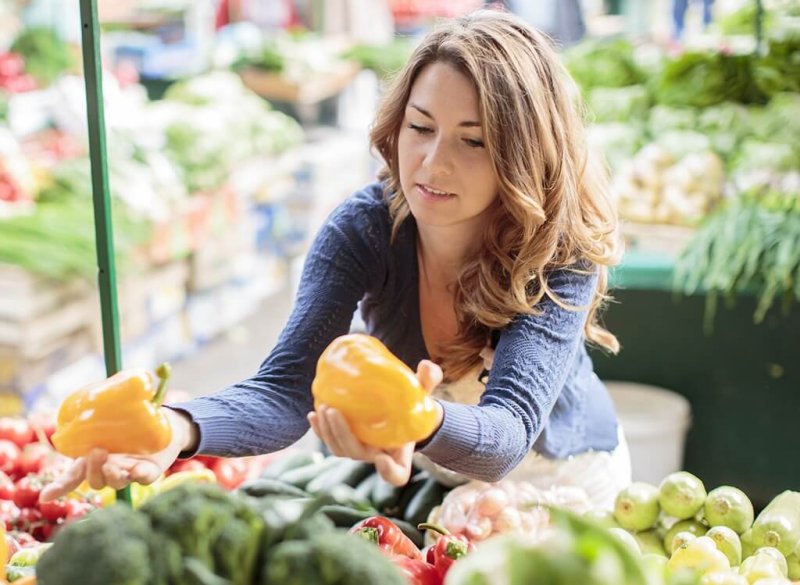
woman at farmers market

Editor’s note: Sally Kuzemchak, MS, RD, is a registered dietitian, educator, and mom of two 

In the new documentary, Science Moms, they tackle some of the biggest, most controversial issues, including pesticides, GMOs, and vaccines.

Here are five food myths that the film takes on:

MYTH: “Chemical” is a bad word.

FACT: There’s a lot of talk on social media and blogs about “avoiding chemicals”. There are even claims that “no amount of chemical exposure is safe”. But the reality is everything is made of chemicals, even water! And just because a chemical has a long, scary-sounding name doesn’t mean it’s actually scary or dangerous (acetic acid = vinegar).

MYTH: Organic means pesticide-free.

FACT: Though organic farming does not allow the use of synthetic pesticides, it does still permit organic pesticides. And some pesticides allowed in organic farming, such as copper sulfate, have the potential to be toxic as well.

MYTH: GMOs should terrify you.

FACT: Though some parents go to great lengths and cost to avoid GMOs, something that hasn’t been proven to be harmful, some of those same people avoid vaccination, which is proven to prevent diseases that are extremely dangerous and even fatal. And, yes, measles should scare you.

You can watch the trailer of Science Moms here and download the film for $4.99 here. Read the Science Moms’ new blog “SciMoms” here.

Read full, original post: 5 Food Myths It’s Time to Stop Believing

{{ reviewsTotal }}{{ options.labels.singularReviewCountLabel }}
{{ reviewsTotal }}{{ options.labels.pluralReviewCountLabel }}
{{ options.labels.newReviewButton }}
{{ userData.canReview.message }}

Related Articles

Infographic: Global regulatory and health research agencies on whether glyphosate causes cancer

Infographic: Global regulatory and health research agencies on whether glyphosate causes cancer

Does glyphosate—the world's most heavily-used herbicide—pose serious harm to humans? Is it carcinogenic? Those issues are of both legal and ...

Most Popular

Screenshot-2026-04-22-at-12.21.32-PM
Viewpoint: Why the retracted Monsanto glyphosate study doesn’t change the science—the world’s most popular herbicide is safe 
Picture1
The FDA couldn’t find a vaccine safety crisis, so it buried its own research
ChatGPT-Image-May-1-2026-11_42_59-AM-2
Viewpoint: NAD is the wellness grifters latest evidence-lite longevity fad. At least the mice are impressed.
global warming
‘Implausible’: Top climate scientists reject worst-case scenario—soaring temperatures and fast-rising sea levels
Screenshot-2026-05-21-at-12.15.17-PM
UK gene-editing milestone: Livestock barley that increases ruminant value and reduces methane emissions is first-approved CRISPR crop
ChatGPT-Image-Apr-16-2026-02_56_53-PM
Financial incentives, over diagnosis, and weak oversight: Autism claims are driving up Medicare costs
vax-misinformation-main
Facts & Fallacies Podcast: Limit free speech to blunt social media misinfo?
Screenshot-2026-05-21-at-3.15.53-PM
Chiropractors may no longer be modern-day snake oil salesmen, but the benefits of their therapy are limited–at best
ChatGPT-Image-May-12-2026-11_27_01-AM-2
AI likely to improve health care, research shows—but not for blacks and ethnic minorities
Screenshot-2026-05-20-at-5.11.17-PM
Viewpoint: No, sugar doesn’t ‘feed’ cancer — common cancer myths, debunked

Sorry. No data so far.

glp menu logo outlined

Get news on human & agricultural genetics and biotechnology delivered to your inbox.