Alison Campbell, writing on BioBlog, has been alerted to–and challenged–an article purporting to tell consumers how to distinguish between GM and “regular” tomatoes.
An article headed “We’re Eating A Poison! Here’s How To Identify GMO Tomatoes In Two Simple Steps!” was published at babiesdailynews.com in 2016. This year variations of the article have been reproduced HERE and – the version at Foodatory drawn to Campbell’s attention – HERE.
Campbell, Associate Dean (Teaching & Learning)and Senior Lecturer (Biological Sciences) at Waikato University, thunders the claim is wrong, wrong, wrong.
There aren’t any genetically-engineered tomatoes on the market, she points out.
…
Campbell then notes that the tomatoes we grow (or buy) and eat are themselves the result of centuries of modification by conventional selective breeding – and also techniques such as mutagenesis, which are not exactly “natural”.
…
Then there’s the misleading image (above).
They’d obviously like us to think that one – perhaps the lushly rich red one to the left? – is natural/organic, and the other, a GMO. Especially when they ask, “can you tell the difference between a regular tomato and a genetically modified one?” But, as we know, all commercially-available tomatoes are produced by conventional means.
Editor’s note:Charité Ricker is a cancer genetic counselor at the University of Southern California
For 15 years I have counseled patients about what it means to carry a mutation in a gene that can lead to a higher risk of developing cancer.
…
[T]he same question is asked by almost everyone: “What does this mean for my family?” For most patients, it means their parents, brothers, sisters, and children all have at least a 50% chance of carrying the same gene mutation. The implications are significant. While inherited cancer conditions lead to a greatly elevated risk for certain cancers, often at ages younger than typically seen, there are steps that can be taken to reduce the risk of developing cancer or to detect it at earlier stages.
…
There can be great hope in genetic information, despite its psychological weight. The maximum benefit of genetic information requires it to move through families. We found that our diverse patients, to whom we had to say, “a cancer gene mutation was found,” did, in fact, communicate this genetic test result to their family. And many of their family members went on to get the right genetic test within a matter of months. However, culturally informed interventions are needed to support and facilitate communication for families, as well as to enhance the preventive impact of genetic information.
A second patient has been treated in a historic gene editing study in California, and no major side effects or safety issues have emerged from the first man’s treatment nearly three months ago, doctors revealed [February 6].
….
In November, 44-year-old Brian Madeux became the first person to have gene editing inside the body for a metabolic disease called Hunter syndrome that’s caused by a bad gene. Through an IV, he received many copies of a corrective gene and a genetic tool to put it in a precise spot in his DNA.
…
Madeux had dizziness, cold sweats and weakness four days after the treatment but they went away on their own in a day, Harmatz said. Madeux also had a severe cough and a partially collapsed lung, but these were deemed unrelated to the gene therapy because he had had similar problems previously. Importantly, there were no signs of harm to his liver.
…
A prominent gene therapy scientist, Dr. James Wilson of the University of Pennsylvania, published two studies reporting liver and other serious problems in monkeys and piglets that were given experimental gene therapies. Several had to be euthanized.
…
An editorial in the journal Human Gene Therapy, which published one of Wilson’s animal studies, said gene therapy experiments should not stop because that might deprive patients of potentially life-saving treatments.
Read full, original post: 2nd man has gene editing; therapy has no safety flags so far
Researchers at the University of California, Berkeley are trying to make the process of making blue jeans greener, by engineering bacteria to produce the indigo dye responsible for jeans’ characteristic hue.
“Indigo dying for denim is unfortunately a pretty dirty process,” says John Dueber, a professor of bioengineering who co-led the research, recently published in the journal Nature Chemical Biology.
…
The team engineered a strain of E. coli bacteria to be a chemical factory for producing an indigo precursor. The precursor is stable and can be stored until needed. Unlike traditional synthetic indigo, which requires chemical treatment to reduce and solubilize the indigo so it can crystalize in the cotton fiber, the E. coli-produced precursor only needs the addition of an enzyme. The final result is “identical” to traditional synthetic indigo dying, Dueber says.
…
“We feel pretty confident that we could scale the process to larger volumes,” Dueber says. “But there’s always work to be done going from the lab scale to an industrial scale.”
Dueber estimates the bacteria-produced indigo could be used in small-scale designer jean manufacture in just a few years.
If India is to reverse the rapid decline in its cotton exports … it is clear it needs another big break in terms of productivity, the kind it first got when Monsanto technology first came into the country. Whether that will happen, however, remains unclear since Monsanto has already said it has no plans to now to bring in its Bollgard III technology.
The move follows a series of measures to arm-twist it. In December 2015, for reasons that are not clear since farmers were benefitting from Monsanto’s technology, the government came out with a cotton seed pricing order to lower the prices of seed sold by it, from around Rs 930 per bag to Rs 800. And while doing so, the order ensured the bulk of the reduction was borne by Monsanto since, as part of this order, the royalty or trait fee embedded in the seed price was reduced from Rs 170 or so per bag to Rs 49.
…
Whether the government will choose to reduce the royalty to zero is not clear, but it needs to keep in mind that farmers need good seed technology to get more productivity and to deal with the effects of extreme climate change—instead of driving out Monsanto, it needs to find ways to bring it back in.
[S]cientists and hobbyists alike look for ways to change the activity of neurons without cutting into the brain and implanting electrodes. One popular set of techniques, called transcranial electrical stimulation (TES), delivers electrical current via electrodes stuck to the scalp, typically above the target brain area. In recent years a number of studies have attributed wide-ranging benefits to TES including enhancing memory, improving math skills, alleviating depression and even speeding recovery from stroke.
…
But little is known about how TES actually interacts with the brain, and some studies have raised serious doubts about the effectiveness of these techniques. A study published on February 2 in Nature Communications ups the ante, reporting that conventional TES techniques do not deliver enough current to activate brain circuits or modulate brain rhythms.
…
In fact, in both rats and human cadavers, [researcher György] Buzsáki’s team found about 75 percent of currents applied to the scalp never reach the brain, but instead are taken up by the skull, scalp and other external tissues.
…
“Most TES approaches apply stimulation for tens of minutes,” notes Marom Bikson, a biomedical engineer at The City College of New York who was not involved with the study. Bikson suggests current TES practices could still exert subtle effects on neurons that accumulate over time to modulate brain function.
Editor’s note: Tammy Lee Stanoch is the president & CEO of Recombinetics, an animal gene-editing company based in St. Paul, Minnesota
Our world population is projected to reach 9.8 billion in 2050. This, coupled with limitations in arable land and water, means meeting our future food needs will require adding new innovative and transformative technologies to our current capabilities in agriculture.
Genetic improvement via gene editing is one of these innovative solutions to revolutionize agriculture, where we can deliver more sustainable animal health and welfare traits into our agricultural production systems with great precision, speed and economy.
Tammy Lee Stanoch
…
My company has products ready for market that enable “naturally hornless” (polled) and “naturally cool” (heat tolerant) cattle. Both types of animals were bred by copying naturally-occurring traits already found in cattle.
Gene editing methods, like naturally-hornless and naturally-cool, are proven safe and provide identical outcomes at the genome sequence level as well as being expressed identically for animal type, behavior, and appearance, similar to what could be achieved using slower, traditional breeding methods.
…
We hope [US Secretary of Agriculture Sonny] Perdue will request a regulatory move from the FDA to the USDA for gene-edited food animals.
As more Americans take advantage of genetic testing to pinpoint the makeup of their DNA, the technology is coming head to head with the country’s deep-rooted obsession with race and racial myths. This is perhaps no more true than for the growing number of self-identified European Americans who learn they are actually part African.
…
At the DNA Discussion Project, an initiative at West Chester University in Pennsylvania that surveys people about their perceptions of their genetic makeup before and after DNA tests, 80 percent of the 3,000-odd people they have surveyed self-identify as white. Of those, two-thirds see themselves as of only one race, and they are more likely to be shocked and unhappy with unexpected African ancestry than those who identify as mixed or other races, according to a peer-reviewed paper conducted by the project.
…
In an era when technology is partly blamed for an increased sense of polarization, it is perhaps ironic that a technological advance is helping to blow up some of that.
…
The test results can present an intriguing puzzle. When a significant amount of African DNA shows up in a presumably white person, “there’s usually a story — either a parent moved away or a grandparent died young,” said Angela Trammel, an investigative genealogist.
Editor’s note: Henry I. Miller, a physician, molecular biologist and former flu virus researcher, is the Robert Wesson fellow in scientific philosophy and public policy at Stanford University’s Hoover Institution. He was the founding director of the Food and Drug Administration’s Office of Biotechnology.
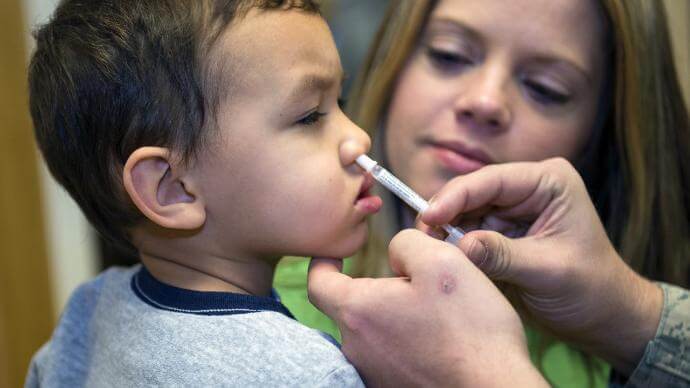
This year, the vaccine is a poor match (probably around 30 percent effective), in part because most illnesses are caused by a virulent strain called H3N2, against which the flu vaccine typically isn’t very effective. One of the reasons for flu vaccines’ relative ineffectivness is that most of the vaccine is prepared from fertlized chicken eggs, a method of production known to reduce the effectiveness against certain flu strains, particularly H3N2.
…
Regulators should encourage manufacturers to stop using chicken eggs and instead prepare vaccines in “cultured cells” – cells that have been removed from animals and grown under controlled conditions. This method would produce vaccines with greater fidelity to the targeted flu strains.
…
We also need more research on “adjuvants” – chemicals mixed with the viral antigens to further boost our immune response. But most of all, we need to accelerate research on the holy grail of flu prevention: a “universal” vaccine that would target a part or parts of the flu virus that remain unchanged among different strains, even during the virus’s rapid mutations. A universal vaccine has the potential to provide us with long-term protection from all strains of flu.
…
The development of a universal vaccine is more challenging but it promises much greater results, and deserves more support. This fearsome flu season should serve as a wake-up call.
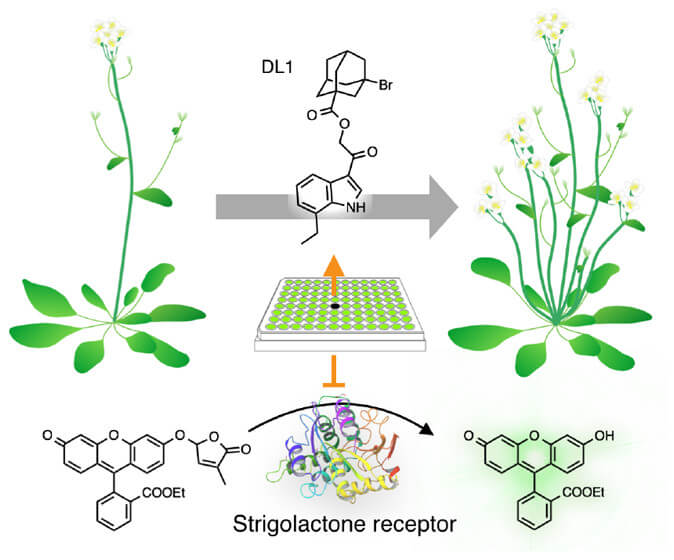
When it comes to agriculture from branched plants, such as apple trees, the more branches that bear fruit, the better. But in the real world, there’s a limit to the number of branches that plants make — a gene tends to put the brakes on this splitting process called shoot branching. [In] ACS Central Science, researchers reveal a chemical that can reverse this limitation, possibly leading to improved crop production.
Previous studies of a plant hormone that inhibits shoot branching resulted in the identification of a regulator gene called D14. Shinya Hagihara, Yuichiro Tsuchiya and colleagues reasoned that if they could inhibit this regulator, they could do the opposite and increase branching. Tsuchiya and Hagihara’s teams developed a screen in which they could monitor the shoot branching activity based on whether a reporter chemical called Yoshimulactone Green (YLG) glowed green. By screening a library of 800 compounds, the researchers found that 18 of them inhibited D14 by 70 percent or more. Of these, one called DL1 was particularly active and specific. This inhibitor could increase shoot branching in both a type of flower and in rice. In preparation for DL1’s use as a potential commercial agrochemical, the team is now testing how long the chemicals last in the soil and are investigating whether it is toxic to humans.
Four countries in the EU grew commercial genetically modified (GM) maize in 2016, with Spain adopting the largest area.
According to the latest figures from the International Service for the Acquisition of Agri-biotech Applications (ISAAA), Spain planted 129,081ha of Monsanto’s pest-resistant maize (Bt maize) variety MON810 – a year-on-year increase of 20%.
Three other countries – Portugal (7,069ha), Slovakia (138ha) and the Czech Republic (75ha) grew the same variety.
Overall, it meant 19,493ha – an increase of 17% – of biotech maize was planted across the EU in 2016.
But the ISAAA said stringent reporting requirements resulted in fewer farmers growing GM maize in the Czech Republic. Likewise, in Romania where no farmers grew the crop.
…
[T]he [UK] government is understood to be reviewing its position on biotech crops. Speaking at the Oxford Farming Conference, Defra secretary Michael Gove said biotech changes “would challenge us to think about the future, and the way we shape it”.
The minister said he was “open-minded” about the use of gene-editing, a technique which involves removing, replacing, or turning off specific genes to modify livestock and crops.
The ISAAA report criticised the “onerous regulation” for biotech crops that remains in many developing countries, including in Europe where farmers are denied access “despite the overwhelming evidence in support of the safe use of these technologies”.
Doctors in Newcastle have been granted permission to create Britain’s first “three-person babies” for two women who are at risk of passing on devastating and incurable genetic diseases to their children.
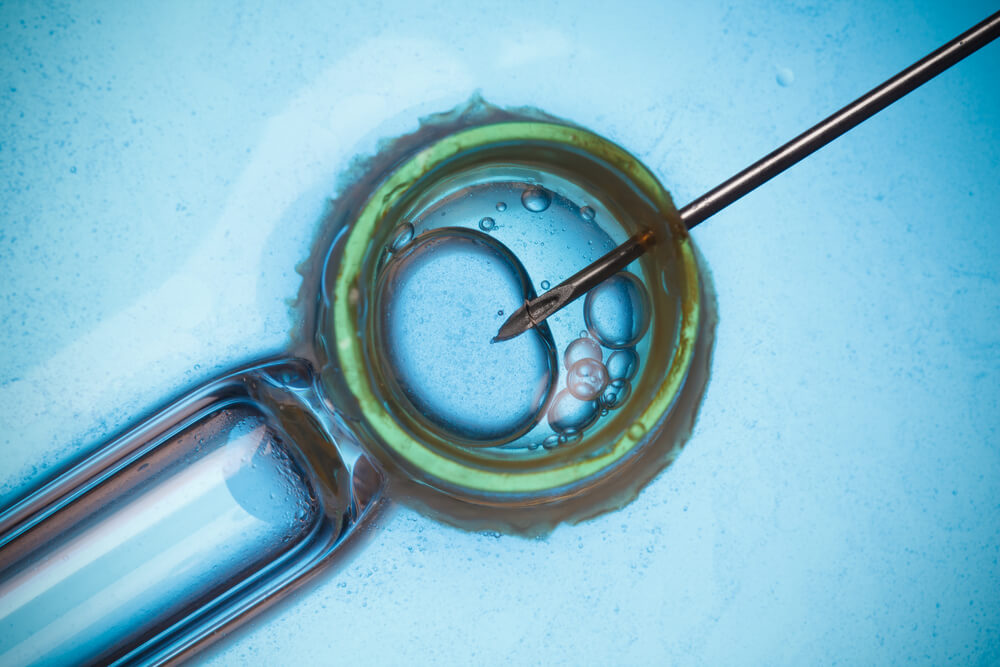
The green light from the fertility regulator means that doctors at the Newcastle Fertility Centre will now attempt to make healthy embryos for the women by merging fertilised eggs created through standard IVF with DNA from female donors.
…
The women will be the first in Britain to have so-called mitochondrial donation therapy, a radical IVF procedure that was made legal by parliamentary vote in 2015. The Newcastle centre was granted a licence to perform the treatment, also known as mitochondrial replacement therapy, in March last year.
While doctors at Newcastle Fertility Centre said they could not to talk about the cases, citing patient confidentiality, minutes from the HFEA’s approval committee reveal that the two women carry mutations in a gene that causes a rare condition known as myoclonic epilepsy with ragged red fibres, or Merrf syndrome.
…
The two women in Newcastle will not be the first in the world to have the therapy. In 2016, John Zhang, a doctor at the New Hope Fertility Center in New York, announced the birth of an apparently healthy child created in a similar way at a clinic in Mexico.
The start of the Winter Olympics in Pyeongchang has once again brought questions of unethical athletic performance-enhancement, or doping, to the forefront of international consciousness.
In the days leading up to the opening ceremonies, Olympic news headlines were dominated by stories about Russia and its athletes attempting to overturn a ban over a massive doping program. Dozens of athletes and coaches were barred from the event, while others — who can prove a clean history — are being allowed to compete as neutral OARs or “Olympic athletes from Russia.” The country will receive zero medals from the competition.
The unprecedented enforcement action surrounds a traditional doping program of the drug-induced variety. But could genetics-doping be next?
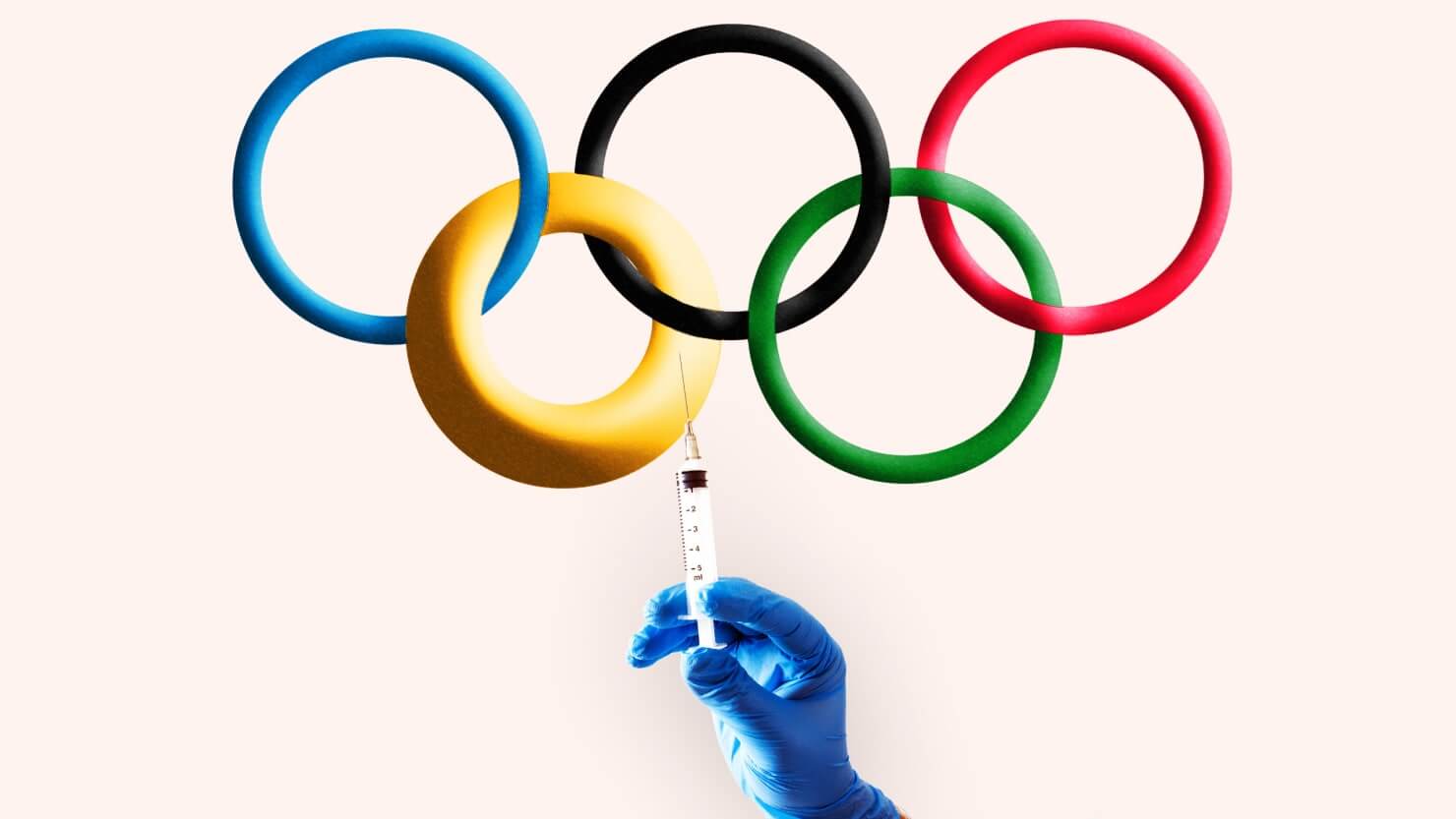
That’s certainly on the minds of enforcement officials, with the World Anti-Doping Agency (WADA) announcing on February 5 that it is considering a plan over the next few years to require a sort of “biological passport” for athletes, who would have their genomes sequenced to help regulators look for illegal modifications.
Those who cheat in professional sports and those who catch them have been locked in a Red Queen struggle for centuries. With the advent of easy gene-editing tools like CRISPR, scientists and sport commentators alike have speculated that unscrupulous athletes may attempt to gain advantages over their competition. CRISPR editing is currently undergoing a handful of human trials, all of which are for medical, not performance-enhancing, purposes. Nonetheless, WADA is attempting to pre-empt the use of genetic engineering for athletic means by banning the use of all genetically-modified cells and gene therapies with “the potential to enhance sport performance.”
Former US track star Marion Jones was stripped of three gold medals and two bronze medals won at the 2000 Summer Olympics after admitting to steroid use.
A ban on “gene doping” has existed since 2003, but only one test has been developed in that time. At the 2016 Rio Olympics, athletes’ blood was tested for added copies of a gene coding for EPO, a hormone that increases red blood cell levels. In the more than a decade that the gene doping ban has existed, not one athlete has actually been banned or otherwise run afoul of the rule. “Despite sensational and scientifically unfounded claims occasionally seen in the media, WADA is not presently aware of any athletes who are gene doping,” said the agency in an email to Gizmodo.
The new rule has expanded the gene doping ban by adding to the list of banned substances any “gene editing agents designed to alter genome sequences and/or the transcriptional or epigenetic regulation of gene expression.” Such wording appears tailored to address the new genetic engineering paradigms. However, it also points to the profound uncertainties inherent in identifying cheaters when the cheating is buried deep within the athlete’s own programming.
Performance-enhancing genetic alterations would almost certainly be harder to detect than traditional performance-enhancing drugs. Changes to an athlete’s DNA could be as small as a few base pairs, making the line between an athlete who was born with a fortunate mutation and one who cheated blurry, if not completely obfuscated. Furthermore, if the edits were limited to one part of the body, such as a specific muscle tissue, they would not be discoverable through a blood test. Testing every individualized cell or tissue that could possibly be modified to improve athletic performance would almost certainly be financially and logistically unfeasible.
WADA has declined to elaborate on how it plans to enforce its new rule, or whether the rule is even liable to be needed in the foreseeable future. “At present, WADA is closely following developments in this area to define the best technique for the detection of gene editing if and when it were to be used as a doping method,” explained the agency.
The agency has left open the possibility that genetic therapy and engineering for medical purposes will not disqualify athletes from competition. “Generally, performance enhancement implies enhancement beyond a return to normal,” noted WADA spokesman Maggie Durand in a statement to the New Scientist. However, the distinction between performance and medicine is not always clear, and Durand added that “you may appreciate that this is not always easy to prove definitively.”
While there is little indication that gene doping will become a major problem in the immediate future, preliminary research on rats suggests that such enhancement is not theoretically impossible. Through the insertion of new genes and the expression of previously dormant ones in the rodent genome, researchers have been able to induce a number of changes relevant to sports.
For years, US cyclist Lance Armstrong faced doping allegations. In 2013, he admitted using performance-enhancing drugs throughout much of his career.
Specifically, modifications to the GHRH gene increased muscle mass and muscle strength in both the “patient” generation rats and their offspring. Tweaks to a triad of genes known as GASP-1, FLRG, and SKI led to a faster regeneration and differentiation of muscle precursor cells into the mature myofibers that constitute healthy muscle. Other genetic alterations resulted in effects such as reduced inflammation and even reductions in pain felt by the rats by expressing genes that increased the activation of natural opiate receptors.
Such changes could impact sports beyond just the achievement of dishonest records. Increased strength, improved recovery, and reduced pain could lead to an increase in strategically aggressive and reckless styles of competition, particularly in team sports such as rugby and football that involve frequent physical contact.
Even if these modifications could be cleanly transferred to human genomes, it is highly unlikely that they would gain approval from national medical ethics boards. Thus, their emergence would be further hampered by having their development forced into secrecy. This does not mean that covert development will never occur, especially in a world where athletics are is a $1.3 trillion industry and Olympic achievement is considered an important manifestation of a nation’s soft power. Nonetheless, years will likely pass until the WADA’s gene doping ban is either enforceable or necessary.
Sean Hall is a writer and engineering student at Santa Rosa Junior College exploring the overlap between politics and synthetic biology. Follow him on Twitter at @seantheserene.