Viewpoint: This flu season is a ‘wake-up call’—we need a universal flu vaccine

flupicsf

Editor’s note: Henry I. Miller, a physician, molecular biologist and former flu virus researcher, is the Robert Wesson fellow in scientific philosophy and public policy at Stanford University’s Hoover Institution. He was the founding director of the Food and Drug Administration’s Office of Biotechnology.

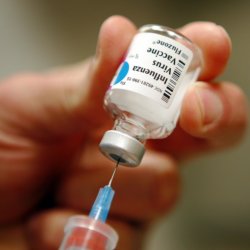
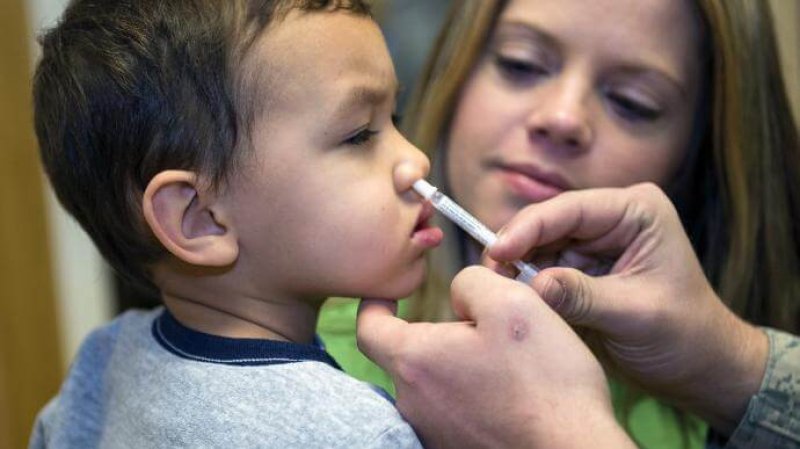
This year, the vaccine is a poor match (probably around 30 percent effective), in part because most illnesses are caused by a virulent strain called H3N2, against which the flu vaccine typically isn’t very effective. One of the reasons for flu vaccines’ relative ineffectivness is that most of the vaccine is prepared from fertlized chicken eggs, a method of production known to reduce the effectiveness against certain flu strains, particularly H3N2.

…

Regulators should encourage manufacturers to stop using chicken eggs and instead prepare vaccines in “cultured cells” – cells that have been removed from animals and grown under controlled conditions. This method would produce vaccines with greater fidelity to the targeted flu strains.

…
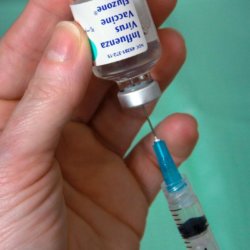
We also need more research on “adjuvants” – chemicals mixed with the viral antigens to further boost our immune response. But most of all, we need to accelerate research on the holy grail of flu prevention: a “universal” vaccine that would target a part or parts of the flu virus that remain unchanged among different strains, even during the virus’s rapid mutations. A universal vaccine has the potential to provide us with long-term protection from all strains of flu.

…

The development of a universal vaccine is more challenging but it promises much greater results, and deserves more support. This fearsome flu season should serve as a wake-up call.

Read full, original post: We need a universal flu vaccine — No more excuses

Related Articles

Infographic: Global regulatory and health research agencies on whether glyphosate causes cancer

Infographic: Global regulatory and health research agencies on whether glyphosate causes cancer

Does glyphosate—the world's most heavily-used herbicide—pose serious harm to humans? Is it carcinogenic? Those issues are of both legal and ...

Most Popular

ChatGPT-Image-Mar-10-2026-01_39_01-PM
Viewpoint—“Miracle molecule” debunked: Why acemannan supplements don’t work
ChatGPT-Image-Sep-10-2026-10_36_07-AM
Viewpoint: Even lousy scientific articles can shield authors when they hype dubious health claims and products
ChatGPT-Image-Sep-23-2026-02_36_39-PM
Viewpoint: After firing the entire National Science Board, Trump reshapes funding initiatives. Here’s the good and the bad.
generated-1790707585414
Facts & Fallacies podcast: America's health care system is broken. A doctor explains how to fix it
ChatGPT-Image-Sep-21-2026-03_15_09-PM
Viewpoint: Chipotle-inspired lesson: 10,000 sick customers suggest that processed foods can be safer than fresh ones
ChatGPT-Image-Sep-21-2026-11_54_00-AM
Viewpoint: Activist environmental NGOs are turning from public funding to activist billionaires to support their campaigns. It won’t end well.
ChatGPT-Image-Sep-22-2026-11_17_31-AM
The exploding controversy over AI’s built-in survival drive
sorghum farmers in kenya FARMERS TREND
Here are all the ways CRISPR gene editing is transforming Africa’s staple crops—and there’s a lot more innovation to come
Screenshot 2026-08-12 at 1.22
Activists vs. Scientists: Could “Butterfly Effect” fears derail gene-drive research targeting the flesh-eating screwworm?
Screenshot-2026-09-16-at-10.27.33-AM
Viewpoint: SCOTUS poised to address First Amendment tension between mandatory vaccines, children’s health and religious freedom 
glp menu logo outlined

Get news on human & agricultural genetics and biotechnology delivered to your inbox.