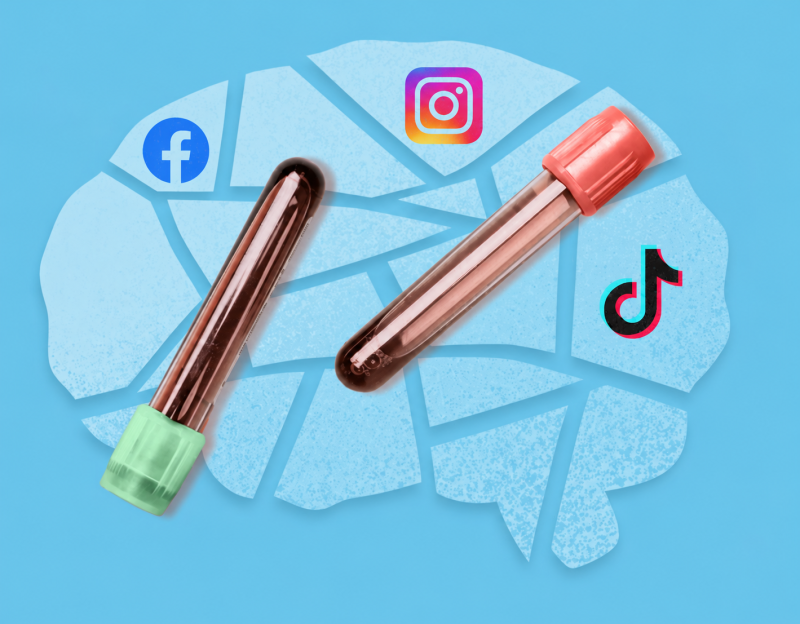

Social media is selling Alzheimer’s blood tests as a crystal ball for healthy people, and the evidence doesn’t back it up. That’s the finding of a new University of Sydney analysis of 188 posts on Facebook, Instagram and TikTok.
More than a third of the posts suggested the tests could screen people with no symptoms, which runs against current clinical recommendations. Accounts with a financial stake were three times more likely to push testing for healthy people.
The evidence behind these claims was thin. Only 36% of posts included any supporting evidence, and fewer than a quarter cited a specific study. Posts aimed at healthy audiences rarely mentioned harms such as overdiagnosis, false positives, or the psychological toll a diagnosis can take on patients and families.
“Social media is presenting exciting claims about what these new blood tests might be able to do, but that excitement can outpace the evidence,” said Dr. Jenna Smith, lead author and researcher at the University of Sydney’s School of Public Health.



Smith noted that fear of dementia makes the pitch easy to fall for. “But for people without symptoms, there’s currently no evidence that screening provides a benefit,” she said. “People with no symptoms could be diagnosed with Alzheimer’s disease but not go on to develop dementia that impacts their life.”
The tests still have a legitimate role. They can help support diagnosis for people who already have cognitive symptoms, Smith said, as long as results are interpreted with clinical oversight. She wants posts to tell viewers to talk to a health professional before getting tested.