Viewpoint: CRISPR is for more than just human gene editing

Gene Editing Rid World of Diseases x header

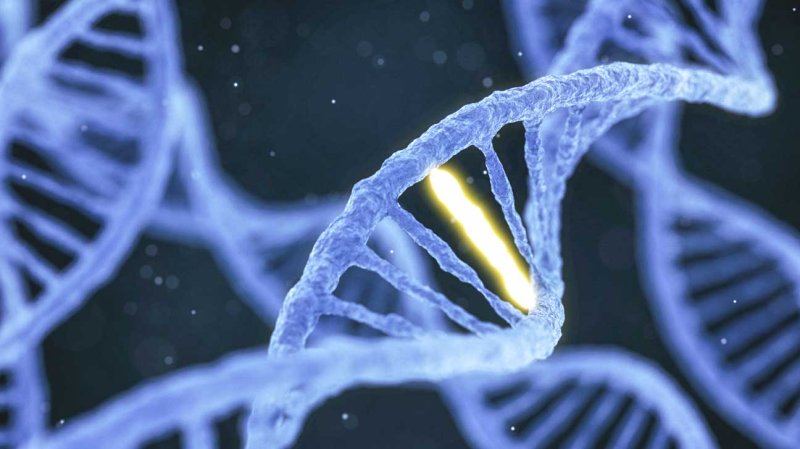
If you’ve ever heard of CRISPR, it has most likely been in the context of human gene editing.

CRISPR itself threatens to be swept up in the controversy, forever branded as something that might be too dangerous to ever use. As a scientist who uses CRISPR in my research, this has me concerned that society is misunderstanding what is probably the greatest new scientific tool since genome sequencing arrived around 20 years ago.

My work in the lab of Charles Robin in the School of BioSciences uses CRISPR to understand the inner workings of insects. How do tiny flies, known as Drosophila, shape the pulses of hormones that control their growth from eggs to adults?

Basic research isn’t the only beneficiary of CRISPR. For many decades, the goals and dreams of synthetic biology — the field dedicated to creating new proteins, genomes and even organisms from scratch — reached far further than laboratory techniques could carry them. With CRISPR, building microbial factories to make medicines or industrial compounds has become far easier.

This all is just the tip of the CRISPR iceberg; its uses extend far beyond what I’ve mentioned here, and new applications are constantly being discovered. This is why it’s unfair to lump CRISPR together with editing human genomes — we risk misunderstanding this incredible tool, when we’re only just starting to realise what it’s capable of.

Editor’s note: Jack Scanlan is a PhD student in genetics at the School of Biosciences at the University of Melbourne

Read full, original post: The tip of the CRISPR iceberg

{{ reviewsTotal }}{{ options.labels.singularReviewCountLabel }}
{{ reviewsTotal }}{{ options.labels.pluralReviewCountLabel }}
{{ options.labels.newReviewButton }}
{{ userData.canReview.message }}

Related Articles

Infographic: Global regulatory and health research agencies on whether glyphosate causes cancer

Infographic: Global regulatory and health research agencies on whether glyphosate causes cancer

Does glyphosate—the world's most heavily-used herbicide—pose serious harm to humans? Is it carcinogenic? Those issues are of both legal and ...

Most Popular

Screenshot-PM-24
Viewpoint: The herbicide glyphosate isn’t perfect. Banning it would be far worse.
d-b
Blocked arteries, kidney stones, nausea, constipation, fatigue: Long list of health problems caused by too much vitamin D 
Screenshot-2026-04-27-at-12.22.38-PM
Running ‘wild’: Last year, RFK, Jr. was given a green light to ‘reform’ chemical policies. Glyphosate illustrates how Trump now has him on a tight leash, and MAHA is furious
bayer-supremecourt-lt
EPA concludes glyphosate is not carcinogenic. Missouri courts say Monsanto failed to warn it might be. SCOTUS weighs in.
ChatGPT-Image-Apr-22-2026-11_06_18-AM
Wellness influencer nonsense: No, nicotine does not boost cognition and productivity, but it can damage your health 
Screenshot 2026-02-25 at 11.20
Why the herbicide glyphosate is key to sustainable agriculture
ChatGPT-Image-Feb-16-2026-01_57_31-PM
Viewpoint: ‘Science-as-Satan’ unites the MAHA—MAGA movements. Is a breakup in the works?
circular-bioeconomy-should-focus-on-sustainable-wellbeing
GLP podcast: What's wrong with 'doomsday' environmentalism? It's false.
glp menu logo outlined

Get news on human & agricultural genetics and biotechnology delivered to your inbox.