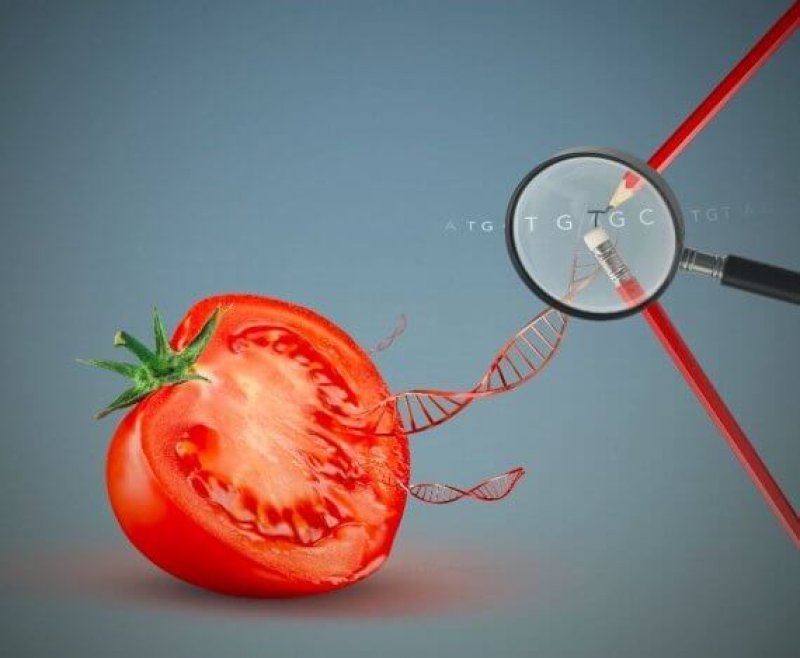

Gene editing has an advantage over genetic modification for several reasons. It’s more precise than GMO processes, and technology keeps getting more reliable. It’s also relatively cost-effective compared to other methods, meaning more scientists could gain access to it. All of these advantages mean more potential innovation.
How successful gene editing is, though, will also depend in large on how it’s perceived. Some of the public is still resistant to GMOs, and genetically edited crops (GECs) could face some of those same problems.
They do have one advantage over GMOs in this department though. Because they don’t introduce foreign genes to the crop, consumers might view them as more natural and therefore more appealing. However, there will still be some who will take issue with this so-called “Franken-food.”
Gene editing has several potential uses, but the most impactful and most soon-to-be-realized will likely be in the agricultural space. It will have many of the same applications as GMOs but hopefully with broader acceptance.





Scientists could potentially create GECs that stay fresh longer, are resistant to drought, insects, and disease, grow bigger and taste better, among other things.
Read full, original post: Will gene editing be suitable for agriculture?