Facing accusations that its cancer designations are politicized, WHO’s IARC may lose US funding

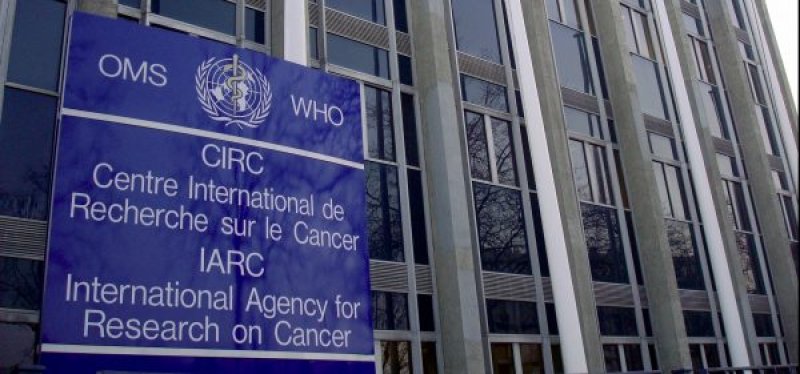
iarc head office e x
Image Credit: Kennydu69, CC BY-SA 3.0, Wikimedia Commons

Members of the House Appropriations Committee are threatening to withhold funding for the International Agency for Cancer Research (IARC), whose methods have been under fire recently not only from Congress, but also in the courts.

IARC is a member of the World Health Organization, which receives some funding from U.S. taxpayers via the National Institutes of Health (NIH). A new bill put in play last week from House appropriators tells the NIH that it cannot transfer funding to IARC unless the center increases the transparency behind its cancer research and adds other reforms.

The move comes amid a flurry of activity related to IARC’s controversial research in 2015 culminating in a decision to label the chemical glyphosate as a probable carcinogen. That label carries enormous implications because glyphosate is the key ingredient in the herbicide RoundUp, which besides being a popular home and garden retail product is also used in large-scale farming.

The American Council on Science and Health, self-described as a “pro-science consumer advocacy organization,” issued a 2017 staff report saying that, “IARC has continued to apply its classification system largely as if the last half-century of scientific research hadn’t happened, completely ignoring issues of dose and exposure that are fundamental to risk assessment as it has been practiced around the world for several decades.”

Read full, original article: Congress Threatens Funding for Controversial Cancer Research Group

 

{{ reviewsTotal }}{{ options.labels.singularReviewCountLabel }}
{{ reviewsTotal }}{{ options.labels.pluralReviewCountLabel }}
{{ options.labels.newReviewButton }}
{{ userData.canReview.message }}

Related Articles

Infographic: Global regulatory and health research agencies on whether glyphosate causes cancer

Infographic: Global regulatory and health research agencies on whether glyphosate causes cancer

Does glyphosate—the world's most heavily-used herbicide—pose serious harm to humans? Is it carcinogenic? Those issues are of both legal and ...

Most Popular

Screenshot-2026-04-22-at-12.21.32-PM
Viewpoint: Why the retracted Monsanto glyphosate study doesn’t change the science—the world’s most popular herbicide is safe 
ChatGPT-Image-Apr-16-2026-02_56_53-PM
Financial incentives, over diagnosis, and weak oversight: Autism claims are driving up Medicare costs
Picture1
The FDA couldn’t find a vaccine safety crisis, so it buried its own research
ChatGPT-Image-May-1-2026-11_42_59-AM-2
Viewpoint: NAD is the wellness grifters latest evidence-lite longevity fad. At least the mice are impressed.
global warming
‘Implausible’: Top climate scientists reject worst-case scenario—soaring temperatures and fast-rising sea levels
Screenshot-2026-05-21-at-12.15.17-PM
UK gene-editing milestone: Livestock barley that increases ruminant value and reduces methane emissions is first-approved CRISPR crop
Screenshot-2026-05-21-at-3.15.53-PM
Chiropractors may no longer be modern-day snake oil salesmen, but the benefits of their therapy are limited–at best

Sorry. No data so far.

glp menu logo outlined

Get news on human & agricultural genetics and biotechnology delivered to your inbox.