Human womb transplants are possible. But do we need them?

tl
Image credit: Dana Wechsler Linden

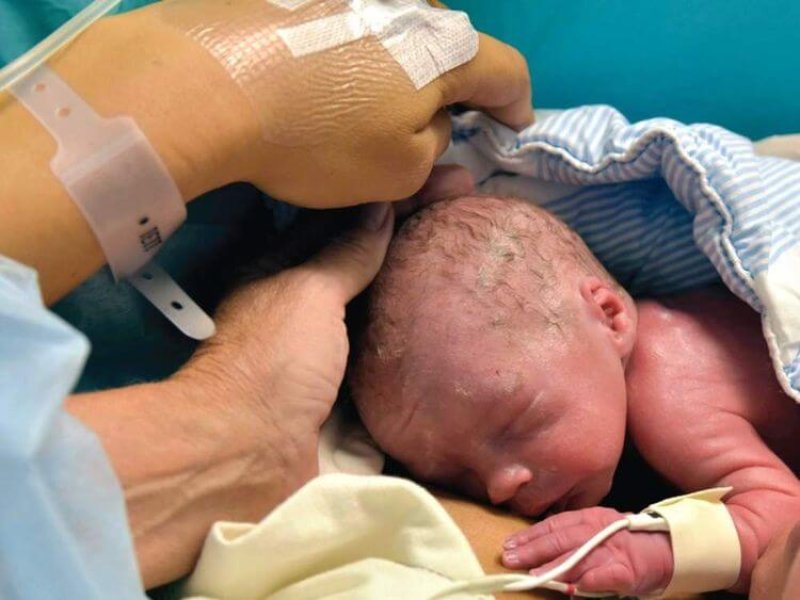
As gynecologist and surgeon Liza Johannesson prepped to deliver the child via cesarean section, she was nervous. Not for the baby—she was used to delivering those—but for the uterus. It was 62 years old. A family friend of the patient, who had been born without her own womb, had donated it.

The baby and the mother too both turned out healthy. It would be a month before the journal article announcing the birth would appear, allowing the ­Swedish-​led medical team to tell the world: Uterus transplants are possible. And they can bear life.

Hundreds of women’s fertility advocates have applauded Baylor [Medical Center]’s work, and other transplant centers have contacted it to learn its methods. The need seems great.

Critics question the necessity of the procedure, given that women have other paths to motherhood, such as surrogacy and adoption. Some wonder if surgeons are undertaking the challenge simply because they can. And then there are the risks. The donor must undergo a medically unnecessary surgery to remove her womb. The recipient must undergo three: one to insert the uterus, another to deliver the baby via C-section, and a third to remove the organ after birth.

Finally, there are the costs, which [surgeon Guiliano] Testa estimates at around $250,000, putting the operations beyond the reach of any but the most affluent, and perhaps the most desperate.

Read full, original post: Inside the controversial new surgery to transplant human wombs

{{ reviewsTotal }}{{ options.labels.singularReviewCountLabel }}
{{ reviewsTotal }}{{ options.labels.pluralReviewCountLabel }}
{{ options.labels.newReviewButton }}
{{ userData.canReview.message }}

Related Articles

Infographic: Global regulatory and health research agencies on whether glyphosate causes cancer

Infographic: Global regulatory and health research agencies on whether glyphosate causes cancer

Does glyphosate—the world's most heavily-used herbicide—pose serious harm to humans? Is it carcinogenic? Those issues are of both legal and ...

Most Popular

Screenshot-2026-03-13-at-12.14.04-PM
The FDA wants to make many popular prescription drugs OTC—a great idea. Here’s why it’s unlikely to happen
Screenshot-2026-04-20-at-2.26.27-PM
Viewpoint — Food-fear world: The latest activist scientists campaign: Cancer-causing additives
Screenshot-2026-05-04-at-12.54.32-PM
How Utah became the country’s supplement capital  — and a haven for unregulated, ineffective and fake products
Screenshot-PM-24
Viewpoint: The herbicide glyphosate isn’t perfect. Banning it would be far worse.
images
The never-ending GMO debate: Pros and cons
Screenshot-2026-05-01-at-11.56.24-AM
‘Science moves forward when people are willing to think differently’: Memories of DNA maverick Craig Venter
Screenshot-2026-04-03-at-11.15.51-AM
Paraben panic: How a flawed study, media hype, and chemophobia convinced the public of the danger of one of the safest classes of preservatives
Screenshot-2026-04-30-at-2.19.37-PM
5 myths about summer dehydration that could damage your health — or even kill you
79d03212-2508-45d0-b427-8e9743ff6432
Viewpoint: The Casey Means hustle—Wellness woo opportunism dressed up as medical wisdom
bigstock opioids on chalkboard with rol
GLP podcast: 'Safe injection sites': enabling drug addiction or saving lives?
ChatGPT-Image-May-1-2026-02_20_13-PM
How RFK, Jr.’s false vaccine claims are holding up $600 million to fight diseases in poor countries
glp menu logo outlined

Get news on human & agricultural genetics and biotechnology delivered to your inbox.