Viewpoint: Despite what you might hear, food irradiation is safe—and necessary

food irradiation
Image Credit: Food Manufacture

Take a good look at those crisp lettuce leaves in your salad, or consider the barley that has gone into making your favourite beer or whisky. What these two foodstuffs have in common is that they have both been altered by the process of food irradiation…

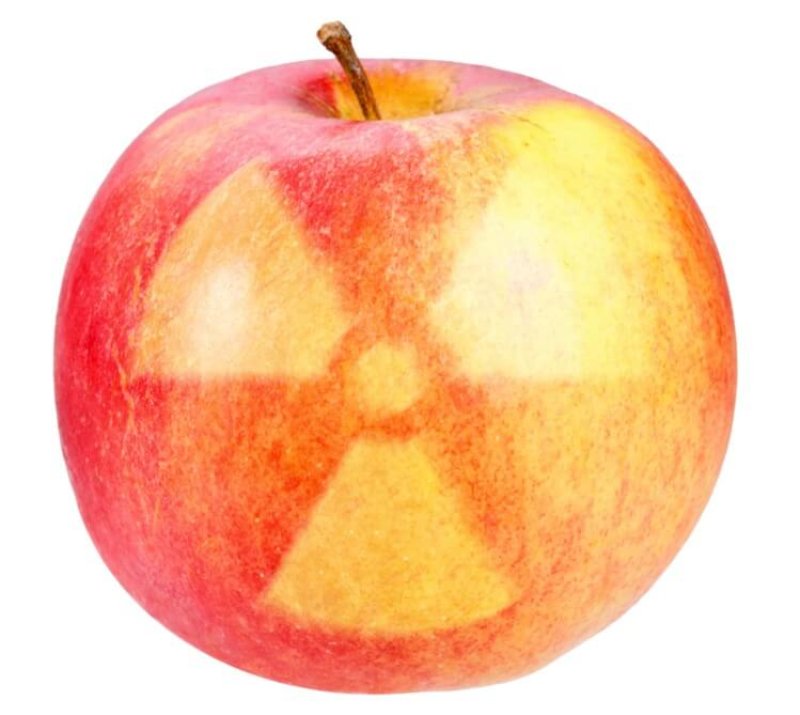
Food irradiation is the process by which seeds and foodstuffs are exposed to ionising radiation. While this may sound rather Frankensteinian, the procedure has been studied for decades and is well understood. One use for food irradiation is in the creation of new crop varieties…radiation acts on seeds to reorganise the cells’ genetic sequence and produce crop plants that either express certain traits…or suppress certain traits..More commonly, radiation is applied directly to foodstuffs…to arrest or combat pests and stop foodborne illnesses from spreading…

[F]ood irradiation has a contentious history. Nature, primarily the sun, acted as the first known source of radiation; for millennia, plants underwent mutations due to exposure to solar radiation. But the discovery of X-rays in 1895, and that of spontaneous radiation the year after, changed all that…scientists began learning of the capabilities of radiation — that it could destroy insects and produce high yield crops.

Despite the numerous regulations and rules in place, there are nevertheless many outright sceptics or naysayers regarding food irradiation…critics who peddle straight up falsehoods through their websites and blogs, blatantly spreading misinformation about food irradiation and the technologies involved.

Read full, original article: There’s nothing radical about food irradiation

{{ reviewsTotal }}{{ options.labels.singularReviewCountLabel }}
{{ reviewsTotal }}{{ options.labels.pluralReviewCountLabel }}
{{ options.labels.newReviewButton }}
{{ userData.canReview.message }}

Related Articles

Infographic: Global regulatory and health research agencies on whether glyphosate causes cancer

Infographic: Global regulatory and health research agencies on whether glyphosate causes cancer

Does glyphosate—the world's most heavily-used herbicide—pose serious harm to humans? Is it carcinogenic? Those issues are of both legal and ...

Most Popular

vax-misinformation-main
Facts & Fallacies Podcast: Limit free speech to blunt social media misinfo?
Picture1
The FDA couldn’t find a vaccine safety crisis, so it buried its own research
ChatGPT-Image-Apr-16-2026-02_56_53-PM
Financial incentives, over diagnosis, and weak oversight: Autism claims are driving up Medicare costs
ChatGPT-Image-May-12-2026-11_27_01-AM-2
AI likely to improve health care, research shows—but not for blacks and ethnic minorities
modi visit sikkim
Viewpoint: Indian PM wants farmers to switch to 50% organic. It would take at least 10 years, likely won’t work, and isn’t more sustainable
Screenshot-2026-04-22-at-12.21.32-PM
Viewpoint: Why the retracted Monsanto glyphosate study doesn’t change the science—the world’s most popular herbicide is safe 
newborn infant baby mother
Sharp rise in number of parents refusing newborn vitamin K shots, putting babies at 81-fold higher risk of severe bleeding
Screenshot-2026-05-19-at-11.23.34-AM
West-originated vaccine disinformation sparks murders of health care workers across Africa
ChatGPT-Image-May-20-2026-04_53_21-PM-2
Viewpoint: Doctors can fight health misinformation — if hospitals let them
ChatGPT-Image-May-7-2026-12_32_36-PM
Viewpoint: The state of U.S. vaccine policy? Dismal nationally, but some states are stepping up.
Screenshot-2026-04-13-at-1.39.26-PM
Viewpoint: ‘Safer for children?’ Stonyfield yogurt under fire for deceptive organic marketing
Screenshot-2026-05-18-at-3.04.37-PM-2
Social media’s health advice red flags
Screenshot-2026-05-18-at-12.57.12-PM
Viewpoint—‘Technology is pulling us apart’: Environmental, political, and economic
glp menu logo outlined

Get news on human & agricultural genetics and biotechnology delivered to your inbox.