Viewpoint: Neurodiversity and why we can’t let fear of autism discourage vaccinations

JURIS Antivaxxer jpg CROP rectangle large
Image credit: Yuri Gripas/Reuters

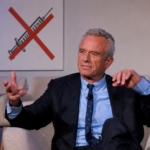
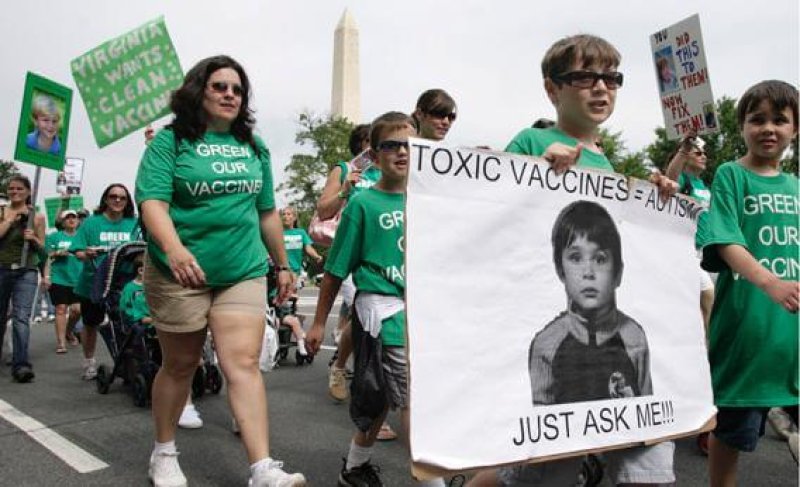
Measles cases are surging across Europe, as vaccination rates have dropped. It’s a problem that medical authorities believe is, in part, a delayed effect of Andrew Wakefield’s utterly discredited scare campaign that attempted to link the MMR (measles, mumps and rubella) vaccine to an increase in autism diagnoses. That Wakefield has had such a long-lasting, harmful effect is an indictment of how autism was, and is still, perceived in some quarters: a devastating and incurable scourge, and the greatest trauma that can befall parents.

I’m autistic, and I was diagnosed 10 years ago, in 2008. At 12 years old, I had no way of knowing that anti-vaccination was still a live topic around autism.

But many autistic children and adults were caught up in this bizarre and often harrowing episode – the discussion was too often centred on how to avoid having an autistic child, or what “mistakes” were made that caused the autism, rather than embracing the possibilities of neurodiversity.

The culture of fear that Wakefield aided and abetted has been taken up by far-right political movements, which capitalise on the fears that surround autism. In their narrative, autism is devastating and to be avoided at all costs.

Anti-vaxxers cannot be allowed to regain the foothold that they had when I was diagnosed.

Read full, original post: I’m autistic – don’t let anti-vaxxers bring back the culture of fear

{{ reviewsTotal }}{{ options.labels.singularReviewCountLabel }}
{{ reviewsTotal }}{{ options.labels.pluralReviewCountLabel }}
{{ options.labels.newReviewButton }}
{{ userData.canReview.message }}

Related Articles

Infographic: Global regulatory and health research agencies on whether glyphosate causes cancer

Infographic: Global regulatory and health research agencies on whether glyphosate causes cancer

Does glyphosate—the world's most heavily-used herbicide—pose serious harm to humans? Is it carcinogenic? Those issues are of both legal and ...

Most Popular

ChatGPT-Image-May-7-2026-12_32_36-PM
Viewpoint: The state of U.S. vaccine policy? Dismal nationally, but some states are stepping up.
Screenshot-2026-04-13-at-1.39.26-PM
Viewpoint: ‘Safer for children?’ Stonyfield yogurt under fire for deceptive organic marketing
Screenshot-2026-04-22-at-10.46.29-AM
Viewpoint: How to counter science disinformation? Science journalist offers 12 practical tips
ChatGPT-Image-May-7-2026-12_16_37-PM-2
Viewpoint: Are cancer rates ‘skyrocketing’ as RFK, Jr. and MAHA claim? The evidence says mostly the opposite
Defense_Secretary_Ash_Carter_tours_the_Microsoft_Cybercrime_Center_in_Seattle_March_3_2016
How criminals are using AI to target social media users and steal their money and confidential data
ChatGPT-Image-May-7-2026-01_23_27-PM-2
Viewpoint: Will AI democratize personalized cancer treatment or fuel medical misinformation?
the magic of mRNA
Viewpoint: Anti-vax fake ‘turbo cancer’ claims threaten cancer treatment breakthroughs
ChatGPT-Image-May-12-2026-08_39_41-PM
GLP podcast: Big Pharma, Big Ag, Big Food—health harming industries or life-saving innovators?
artificial intelligence brain think illustration md
Viewpoint — Digital gods and human extinction: Will we be the first species ever to design our own descendants?
Screenshot-2026-04-23-at-11.00.36-AM
Regulators' dilemma: Thalidomide, Metformin, and the cost of getting drug approvals wrong
Picture1-14
When superbugs threaten vulnerable children: Can AI help solve antibiotic resistance?
RFKjr-Tech-Vax-Misinfo
As U.S. officials spread medical misinformation, scientists fact check online
glp menu logo outlined

Get news on human & agricultural genetics and biotechnology delivered to your inbox.