Corn bred to ‘stand tall’ could prevent rotting crops, food waste

corn

When Daniel Robertson was a kid growing up in Columbia, South Carolina, he got chased off by farmers once or twice for playing in their fields. But it wasnโ€™t until he was an adult when he realized that the fallen corn he and his friends used to hide in cost these farmers a lot of money.

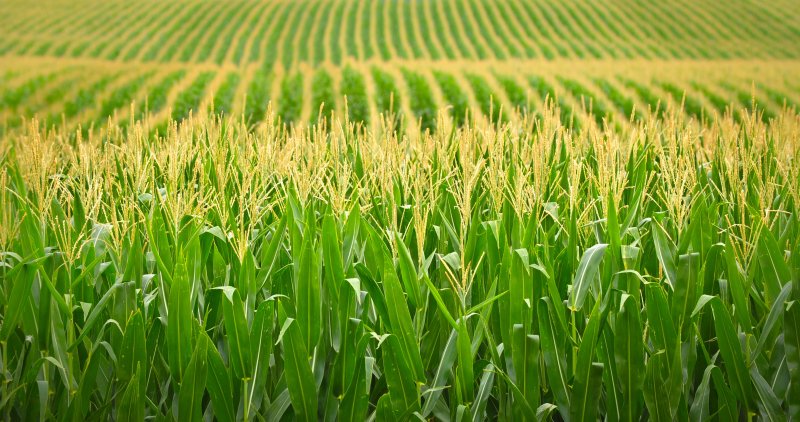
As a mechanical engineering professor at the University of Idaho, Robertson now studies whatโ€™s called stalk lodging. New varieties have beefed up how much each plant can produce, but that made them top heavy.

โ€œThe grain has gotten so heavy that the wind just blows them over and knocks them down and then the grain falls to the ground and rots,โ€ he says.

Robertson and his team at U of I, University of Kentucky and Clemson University will target certain plant traits that keep them upright and encourage breeders to adopt them in future varieties.

To help find these traits, he takes a CT scan of a plant and uses his mechanical engineering background to find its weakpoints and strengths. These researchers have also developed tools that farmers can use in their fields to pinpoint their weaker crops.

Read full, original article:ย This Idaho Researcher Wants To Help Farmers Keep Their Crops Standing Tall

{{ reviewsTotal }}{{ options.labels.singularReviewCountLabel }}
{{ reviewsTotal }}{{ options.labels.pluralReviewCountLabel }}
{{ options.labels.newReviewButton }}
{{ userData.canReview.message }}

Related Articles

Infographic: Global regulatory and health research agencies on whether glyphosate causes cancer

Infographic: Global regulatory and health research agencies on whether glyphosate causes cancer

Does glyphosateโ€”the world's most heavily-used herbicideโ€”pose serious harm to humans? Is it carcinogenic? Those issues are of both legal and ...

Most Popular

ChatGPT-Image-Mar-27-2026-11_47_30-AM-2
FDAโ€™s expedited drug reviews are hailed in some quarters but other approval practices are problematic
Farmers can talk to plants
Farmers are a major source of misinformationโ€”about farming
Screenshot-2026-05-01-at-1.29.41-PM
Viewpoint: What happens when whole grains meet modern food manufacturing? Labels donโ€™t tell the whole story.
ChatGPT-Image-Apr-13-2026-02_20_22-PM
Viewpoint: Misinformation infodemic? Why assessing evidence is so challengingย 
S
As vaccine rejectionism spreads, measles may be taking a more dangerous turn
Screenshot 2026-05-06 at 2.19
Vaccine shootout at the CDCย 
What explains Homo sapiensโ€™ huge brains? Ancient climate change played a role
Viewpoint: Internal White House documents detail administrationโ€™s strategy to undermine climate science
ChatGPT-Image-May-7-2026-11_28_04-AM-2
โ€˜Conflict entrepreneursโ€™ are driving disinformation and shaping public opinion
Screenshot-2026-04-20-at-2.26.27-PM
Viewpoint โ€” Food-fear world: The latest activist scientists campaign: Cancer-causing additives
ChatGPT-Image-May-6-2026-03_41_05-PM
โ€˜Protecting the integrity of scienceโ€™: Kennedyโ€™s FDA blocks release of taxpayer-funded studies finding COVID and shingles vaccines safe
Screenshot-2026-05-06-at-2.07.43-PM
Manufacturing a conspiracy: The timeline of howย  the White House embraced the fringe claim that scientists are being mysteriously murdered
bigstock opioids on chalkboard with rol
GLP podcast: 'Safe injection sites': enabling drug addiction or saving lives?
circular-bioeconomy-should-focus-on-sustainable-wellbeing
GLP podcast: What's wrong with 'doomsday' environmentalism? It's false.
Screenshot-2026-04-03-at-11.15.51-AM
Paraben panic: How a flawed study, media hype, and chemophobia convinced the public of the danger of one of the safest classes of preservatives
glp menu logo outlined

Get news on human & agricultural genetics and biotechnology delivered to your inbox.