Certain terms, such as “organic” and “gluten-free,” are strictly regulated by [federal] agencies …. Others are voluntary seal and certification programs. Still others are manufacturer-driven marketing strategies. When you learn what product seals, certifications and claims mean, and who governs the wording, you’re better equipped to make purchasing decisions. Here are …. common terms that trip people up in the grocery store:
…
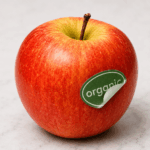
Organic: “Organic” refers to how a product is grown. Products that sport the USDA “organic” certification have to be produced without fertilizers, fungicides and pesticides …. The nutrient composition of organic and non-organic foods is similar. So things like organic cookies have the same nutrient composition as non-organic cookies ….
Editor’s note: Organic farming utilizes fertilizers, fungicides and pesticides, including some synthetic chemicals.
Non-GMO: Because of a law passed in 2016, food manufacturers will soon need to disclose genetically modified ingredients in their products. In the meantime, consumers who are concerned about GMOs can purchase products that contain a non-GMO Project stamp. But beware: The stamp is often found on foods that never could contain GMOs because to date, only 10 foods have been approved for genetic modification.

…
Cage-free: The hens laying cage-free eggs live in an open barn with bedding material, perches and nest boxes to lay their eggs. They may still be in close quarters with other hens, they’re just not in cages.
Read full, original article: Organic? All-natural? Cage-free? What 7 food labels actually mean