Viewpoint: Environmental gene editing shows promise, but requires ‘careful oversight’

gene modifying mosquito s

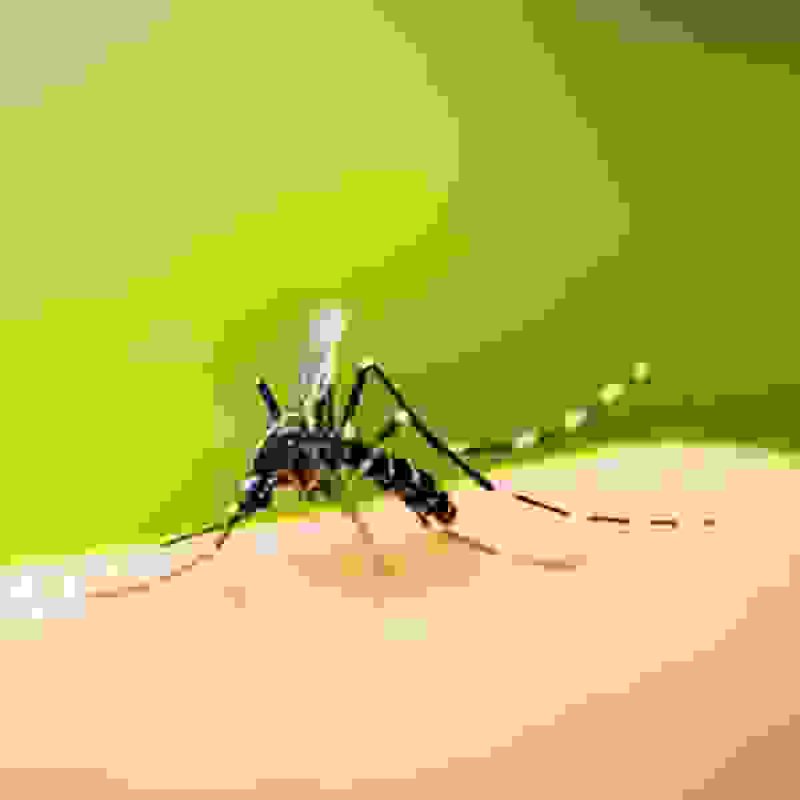
In Burkina Faso, the government is considering the use of genetically modified mosquitoes to eradicate malaria. In Nantucket, Mass., officials are looking at gene editing as a tool in the fight against Lyme disease. And scientists are using gene technology to adapt coral to changing ocean conditions from the Caribbean to the Great Barrier Reef.

Yet for all the breathtaking promise of these technologies, there remain profound concerns about the potential unintended consequences of releasing gene-edited organisms into the environment — and a lack of governance oversight.

In a new paper published in Science, an interdisciplinary group led by Yale researchers …. argue[s] that the complex nature of these technologies requires, on a case-by-case basis, careful and judicious review ….

“The biggest risk right now with this technology is the uncertainty associated with it,” said Natalie Kofler, an associate research scientist at the Yale School of Forestry & Environmental Studies (F&ES) and lead author of the paper.

“In places like Burkina Faso, for instance, it is being touted as a silver bullet to get rid of malaria. But these technologies also have the potential to forever change the genetic makeup of species, or even drive certain species to extinction. Lack of global governance puts our planet at risk.”

Read full, original article: Editing nature: A call for careful oversight of environmental gene editing


{{ reviewsTotal }}{{ options.labels.singularReviewCountLabel }}
{{ reviewsTotal }}{{ options.labels.pluralReviewCountLabel }}
{{ options.labels.newReviewButton }}
{{ userData.canReview.message }}

Related Articles

Infographic: Global regulatory and health research agencies on whether glyphosate causes cancer

Infographic: Global regulatory and health research agencies on whether glyphosate causes cancer

Does glyphosate—the world's most heavily-used herbicide—pose serious harm to humans? Is it carcinogenic? Those issues are of both legal and ...

Most Popular

Screenshot-2026-05-01-at-1.29.41-PM
Viewpoint: What happens when whole grains meet modern food manufacturing? Labels don’t tell the whole story.
S
As vaccine rejectionism spreads, measles may be taking a more dangerous turn
Screenshot 2026-05-06 at 2.56
Singularity crisis ahead? Can super babies save us from rogue AI geniuses?
Screenshot-2026-05-06-at-2.07.43-PM
Manufacturing a conspiracy: The timeline of how  the White House embraced the fringe claim that scientists are being mysteriously murdered
Screenshot-2026-04-20-at-2.26.27-PM
Viewpoint — Food-fear world: The latest activist scientists campaign: Cancer-causing additives
Screenshot-2026-03-13-at-12.14.04-PM
The FDA wants to make many popular prescription drugs OTC—a great idea. Here’s why it’s unlikely to happen
Screenshot-2026-04-30-at-2.19.37-PM
5 myths about summer dehydration that could damage your health — or even kill you
ChatGPT-Image-May-6-2026-03_41_05-PM
‘Protecting the integrity of science’: Kennedy’s FDA blocks release of taxpayer-funded studies finding COVID and shingles vaccines safe
Screenshot-2026-05-01-at-11.56.24-AM
‘Science moves forward when people are willing to think differently’: Memories of DNA maverick Craig Venter
79d03212-2508-45d0-b427-8e9743ff6432
Viewpoint: The Casey Means hustle—Wellness woo opportunism dressed up as medical wisdom
glp menu logo outlined

Get news on human & agricultural genetics and biotechnology delivered to your inbox.