Challenging Nature’s decision to run a stem cell advertisement portrayed as research

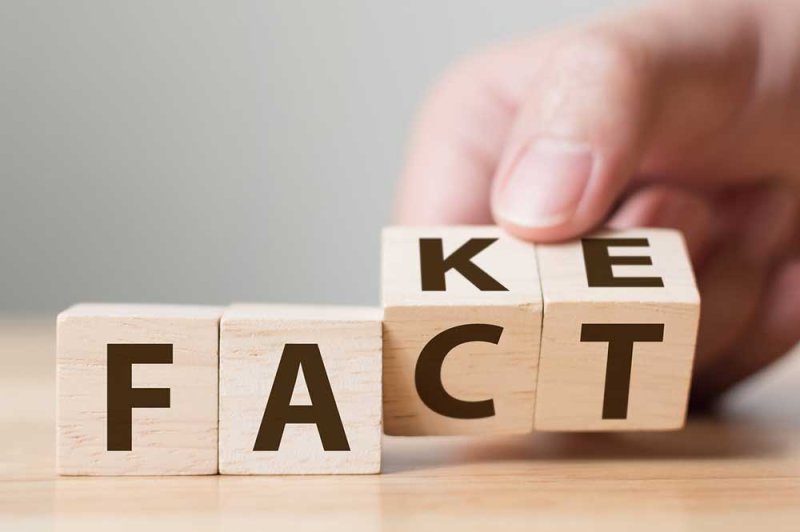
fake facts bogus research

Readers of Nature, one of the world’s most important scientific journals, might have been struck recently by an audacious claim appearing on its website about a possible stem cell treatment for heart attacks.

The published item asserted that MUSE cells, a subset of stem cells, could regenerate heart tissue after acute myocardial infarctions, which are deadly sudden heart attacks. This could be a significant advance in both cardiac treatment and the use of stem cells.

Here’s the problem. The published item wasn’t a peer-reviewed article subject to Nature’s rigorous professional vetting procedure. It was an advertisement.

2-27-2019 nature
Advertising, or the real thing? A stem cell researcher thought this ad in Nature could be mistaken for a peer-reviewed article. Nature removed the ad. Image credit: Nature/Knoepfler

After [stem cell expert Paul] Knoepfler’s inquiry, the journal said, “we reviewed the ad and determined that it didn’t fully meet the guidelines we set ourselves for paid content” and removed it. Nature told Knoepfler that such advertising material wasn’t subject to indexing for scholarly databases and therefore wouldn’t penetrate the research mainstream.

“How can a research article be an advertisement?” Knoepfler asked on his blog. “I don’t think it should be possible. The field of science doesn’t need to blur the line between research articles and ads.”

Read full, original post: Did a world-famous science journal become a shill for a questionable stem cell claim?

{{ reviewsTotal }}{{ options.labels.singularReviewCountLabel }}
{{ reviewsTotal }}{{ options.labels.pluralReviewCountLabel }}
{{ options.labels.newReviewButton }}
{{ userData.canReview.message }}

Related Articles

Infographic: Global regulatory and health research agencies on whether glyphosate causes cancer

Infographic: Global regulatory and health research agencies on whether glyphosate causes cancer

Does glyphosate—the world's most heavily-used herbicide—pose serious harm to humans? Is it carcinogenic? Those issues are of both legal and ...

Most Popular

ChatGPT-Image-Feb-16-2026-01_04_32-PM
Raw milk myth wake-up call
Screenshot-2026-04-13-at-3.54.04-PM
AI disinformation stress test: Challenges and response strategies
Screenshot-2026-04-15-at-1.22.58-PM
Anti-biotechnology activists smear hybrid wheat breakthrough that could surge yields in poorer countries
nutritional-food-heart-thumb-x-
Doctors needs nutrition classes? A physician unmasks another MAHA myth
ChatGPT-Image-Mar-11-2026-11_58_46-AM
The Trump administration has run out more than 4,000 National Institutes of Health employees. Here are the consequences
Screenshot-2026-04-14-at-12.51.09-PM
Public health advocates turn to influencers to fight online misinformation
ChatGPT-Image-Apr-17-2026-03_30_52-PM
Food labels, decoded: What they really mean
ChatGPT-Image-Apr-20-2026-11_17_18-AM-2
10,000 scientists gone: Trump’s cuts create an unprecedented brain drain

Sorry. No data so far.

glp menu logo outlined

Get news on human & agricultural genetics and biotechnology delivered to your inbox.