Did whales gain the ability to live in the water by shedding genes?

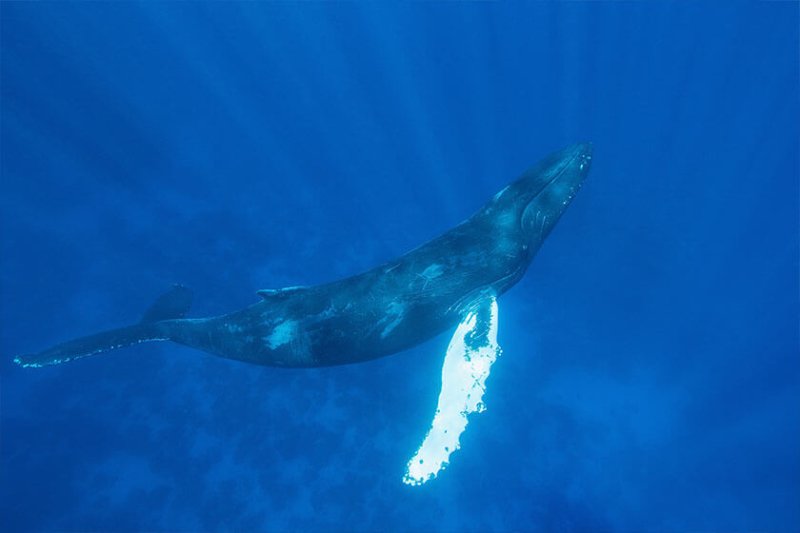
humpback whale
Image: Aquatic Adventures

Like stripping down to swim, the ancestors of whales and dolphins may have shed some genes during their transition from being landlubbers to aquatic dwellers.

Ancestors of orcas, bottlenosed dolphins and other cetaceans lost function of at least 85 genes as the animals adapted to live full time in water, researchers report September 25 in Science Advances.

Scientists compared DNA of whales and dolphins with that of other mammals to find 236 genes missing from cetaceans. Of those missing genes, 85 are still present in hippopotamuses, cetaceans’ closest relatives, suggesting that the genes were lost during the land-to-water transition about 50 million years ago.

Cetaceans may have adapted to diving by jettisoning genes involved in regulating blood pressure and blood clotting, and in repairing DNA. DNA undergoes damage from cycles of low and high oxygen as animals dive to deep water and resurface again. One of the lost genes, POLM, encodes a DNA repair enzyme that is error-prone even under the best of circumstances, so getting rid of it may have given cetacean ancestors an advantage. “We think that by losing the sloppiest protein involved, you probably increase the fidelity of DNA repair,” says evolutionary genomicist Michael Hiller.

Read full, original post: Losing genes may have helped whales’ ancestors adapt to life under the sea


{{ reviewsTotal }}{{ options.labels.singularReviewCountLabel }}
{{ reviewsTotal }}{{ options.labels.pluralReviewCountLabel }}
{{ options.labels.newReviewButton }}
{{ userData.canReview.message }}

Related Articles

Infographic: Global regulatory and health research agencies on whether glyphosate causes cancer

Infographic: Global regulatory and health research agencies on whether glyphosate causes cancer

Does glyphosate—the world's most heavily-used herbicide—pose serious harm to humans? Is it carcinogenic? Those issues are of both legal and ...

Most Popular

Screenshot-2026-04-22-at-12.21.32-PM
Viewpoint: Why the retracted Monsanto glyphosate study doesn’t change the science—the world’s most popular herbicide is safe 
Picture1
The FDA couldn’t find a vaccine safety crisis, so it buried its own research
ChatGPT-Image-May-1-2026-11_42_59-AM-2
Viewpoint: NAD is the wellness grifters latest evidence-lite longevity fad. At least the mice are impressed.
ChatGPT-Image-Apr-16-2026-02_56_53-PM
Financial incentives, over diagnosis, and weak oversight: Autism claims are driving up Medicare costs
ChatGPT-Image-May-12-2026-11_27_01-AM-2
AI likely to improve health care, research shows—but not for blacks and ethnic minorities
ChatGPT-Image-May-7-2026-01_23_27-PM-2
Viewpoint: Will AI democratize personalized cancer treatment or fuel medical misinformation?

Sorry. No data so far.

glp menu logo outlined

Get news on human & agricultural genetics and biotechnology delivered to your inbox.