4 keys to the future of synthetic genomics, including the ability to ‘construct entire chromosomes’

newdatabasee
Image: Medical Xpress

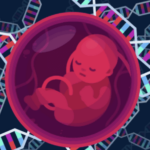
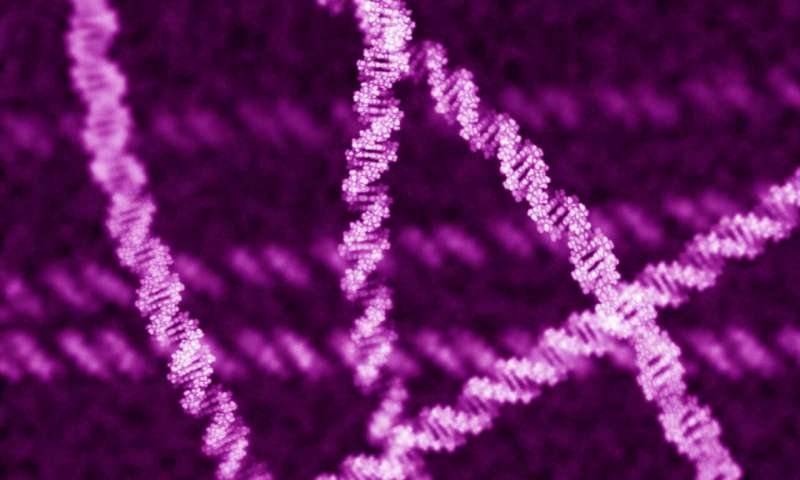
We are already living in a synthetic biology world. Within that huge world is an enormous variety of ideas and approaches, like custom-made proteins, CAR-T medicines, genetically engineered crops, and more. One sector still in its infancy is synthetic genomics, where instead of one protein or gene, entire genomes are designed, synthesized, and implemented.

To make synthetic genomics bloom, it needs new innovations and support, concludes a new report by a consortium of scientists from academia and industry, published recently in Science. Nili Ostrov, PhD, (Harvard Medical School, HMS) and colleagues advocate for advances in four areas they believe are critical for making synthetic genomics as much a part of science as gene sequencing is today.

These are 1) improving the ability to synthesize DNA, 2) the ability to precisely and accurately edit DNA using tools such as CRISPR-Cas9, 3) the design of genomes, and 4) the ability to string together pieces of DNA and construct entire chromosomes.

The manifesto “is focused on what we think are the… major technological challenges and milestones we would like to achieve,” said Ostrov, a postdoc in George Church’s lab at HMS.

Read full, original post: A Roadmap and Wish List for Synthetic Genomics

{{ reviewsTotal }}{{ options.labels.singularReviewCountLabel }}
{{ reviewsTotal }}{{ options.labels.pluralReviewCountLabel }}
{{ options.labels.newReviewButton }}
{{ userData.canReview.message }}

Related Articles

Infographic: Global regulatory and health research agencies on whether glyphosate causes cancer

Infographic: Global regulatory and health research agencies on whether glyphosate causes cancer

Does glyphosate—the world's most heavily-used herbicide—pose serious harm to humans? Is it carcinogenic? Those issues are of both legal and ...

Most Popular

Screenshot-2026-05-01-at-1.29.41-PM
Viewpoint: What happens when whole grains meet modern food manufacturing? Labels don’t tell the whole story.
S
As vaccine rejectionism spreads, measles may be taking a more dangerous turn
Screenshot 2026-05-06 at 2.56
Singularity crisis ahead? Can super babies save us from rogue AI geniuses?
ChatGPT-Image-Mar-27-2026-11_47_30-AM-2
FDA’s expedited drug reviews are hailed in some quarters but other approval practices are problematic
Screenshot-2026-04-20-at-2.26.27-PM
Viewpoint — Food-fear world: The latest activist scientists campaign: Cancer-causing additives
Farmers can talk to plants
Farmers are a major source of misinformation—about farming
Screenshot-2026-04-30-at-2.19.37-PM
5 myths about summer dehydration that could damage your health — or even kill you
Screenshot-2026-05-06-at-2.07.43-PM
Manufacturing a conspiracy: The timeline of how  the White House embraced the fringe claim that scientists are being mysteriously murdered
Screenshot-2026-03-13-at-12.14.04-PM
The FDA wants to make many popular prescription drugs OTC—a great idea. Here’s why it’s unlikely to happen
Screenshot 2026-05-06 at 2.19
Vaccine shootout at the CDC 
Screenshot-2026-04-03-at-11.15.51-AM
Paraben panic: How a flawed study, media hype, and chemophobia convinced the public of the danger of one of the safest classes of preservatives
glp menu logo outlined

Get news on human & agricultural genetics and biotechnology delivered to your inbox.