Second psychopharmacology revolution: New drugs could change the way we treat depression

shutterstock
Image: Shutterstock

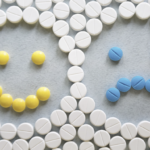
The field of psychopharmacology was born during the 15 years between 1955 and 1970. Now, nearly 60 years later, the field of psychiatry may be at the beginning of a second psychopharmacology revolution.

During the first psychopharmacology revolution, antipsychotics, antidepressants, and antianxiety agents were discovered.

The field of psychiatry may now be entering a second psychopharmacology revolution. Over the past 20 years, ketamine, a medication already approved as an anesthetic, has been found to have rapid and substantial antidepressant effects when administered intravenously at lower-than-anesthetic doses. Ketamine’s antidepressant effects occur within hours and can last up to a week or more following a single infusion.

A second major new advance in psychopharmacology involves a group of drugs called neurosteroids (or neuroactive steroids). The structure and function of neurosteroids are very different than either the older antidepressants or ketamine.

The ketamine-based drugs and the neurosteroid-based drugs are revolutionary in terms of the rapidity of their antidepressant effects and their mechanisms of action. Other medications with truly different mechanisms are also in the early stages of investigation. It is possible that the 15 years between 2015 and 2030 will be as remarkable in terms of psychopharmacology as the 1955-1970 era.

Read full, original post: The Second Psychopharmacology Revolution

{{ reviewsTotal }}{{ options.labels.singularReviewCountLabel }}
{{ reviewsTotal }}{{ options.labels.pluralReviewCountLabel }}
{{ options.labels.newReviewButton }}
{{ userData.canReview.message }}

Related Articles

Infographic: Global regulatory and health research agencies on whether glyphosate causes cancer

Infographic: Global regulatory and health research agencies on whether glyphosate causes cancer

Does glyphosate—the world's most heavily-used herbicide—pose serious harm to humans? Is it carcinogenic? Those issues are of both legal and ...

Most Popular

Picture1
The FDA couldn’t find a vaccine safety crisis, so it buried its own research
Screenshot-2026-04-22-at-12.21.32-PM
Viewpoint: Why the retracted Monsanto glyphosate study doesn’t change the science—the world’s most popular herbicide is safe 
ChatGPT-Image-May-7-2026-12_32_36-PM
Viewpoint: The state of U.S. vaccine policy? Dismal nationally, but some states are stepping up.
placebo
Viewpoint — Alternative medicine and the placebo effect: Selling a reassuring illusion of health
_20250221_nib_rfk_trump
Viewpoint: 'Crisis of public trust': Autism support community shocked RFK continues to peddle false claims about the danger of vaccines
ChatGPT-Image-May-18-2026-01_45_05-PM-2
Newest hantavirus conspiracy: Online disinformation turns outbreak into latest ivermectin grift
ChatGPT-Image-May-18-2026-12_06_18-PM-2
Defying death: The immortality movement goes mainstream
Screenshot-2026-04-13-at-1.39.26-PM
Viewpoint: ‘Safer for children?’ Stonyfield yogurt under fire for deceptive organic marketing
Screenshot-2026-04-22-at-10.46.29-AM
Viewpoint: How to counter science disinformation? Science journalist offers 12 practical tips
glp menu logo outlined

Get news on human & agricultural genetics and biotechnology delivered to your inbox.